



Etnia Nativa: Your peek into Native magic, healing the spirit.
Article by Etnia Nativa call us 592 2702 and book your experience!
In this new episode, Etnia Nativa delivers a powerful reminder of why mangroves matter now more than ever, echoing the wisdom of Thai fishermen: ‘If there are no mangrove forests, the sea will have no meaning, because mangroves are the roots of the sea”.
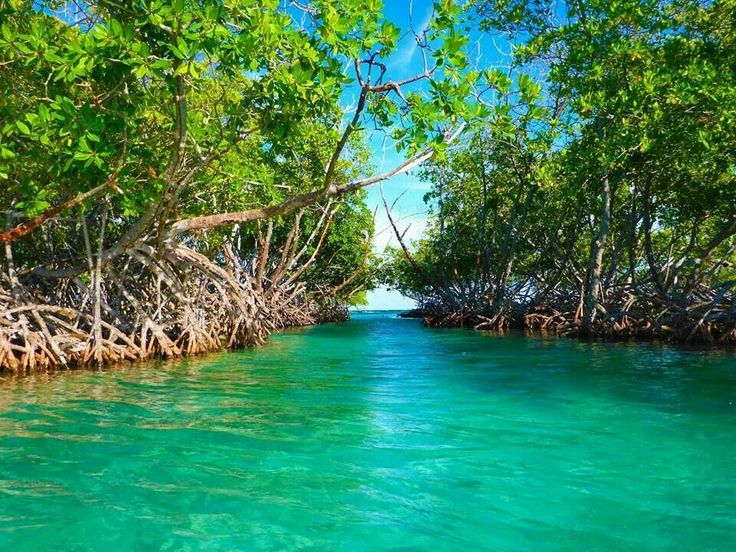
Mangroves are remarkable ecosystems that form a natural bridge between land and sea. Found along tropical coastlines, estuaries, and lagoons, these salt-tolerant trees and shrubs thrive in conditions where few others can survive. Growing below the maximum tide level, mangroves create a unique ecosystem that is as resilient as it is essential.
Their role in environmental protection is profound. Acting as a natural barrier, mangroves shield coastlines from erosion while softening the impact of waves, storm surges, and extreme weather events such as hurricanes and tsunamis. Their intricate root systems filter pollutants like nitrates and phosphates carried by rivers, improving water quality and protecting both freshwater and marine ecosystems. At the same time, they prevent seawater from encroaching inland, maintaining a delicate ecological balance.
Mangroves are also vital allies in the fight against climate change. Experts estimate that they capture and store approximately 34 million tons of carbon globally, making them one of the planet’s most efficient natural carbon sinks.
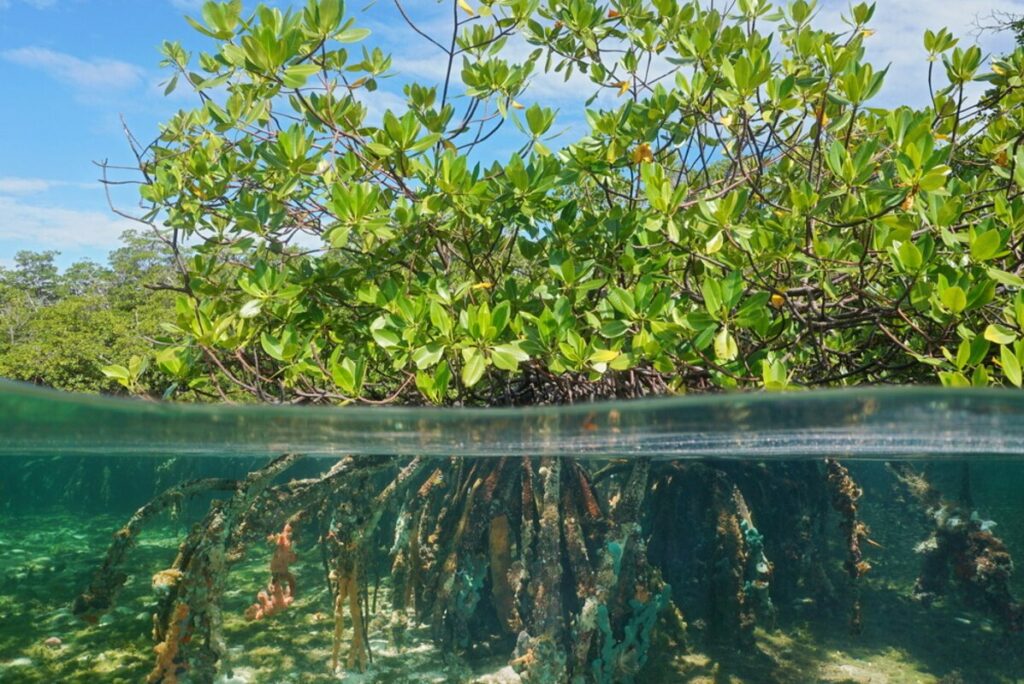
Beyond their environmental importance, mangroves are biodiversity hotspots. Their roots provide shelter and breeding grounds for fish, crabs, shrimp, and mollusks, while birds depend on them for nesting and feeding. Nearby coral reefs also benefit, as juvenile marine species use mangroves as safe nurseries during the early stages of life.
For coastal communities, mangroves are indispensable. They support livelihoods by providing food and resources. At low tide, people gather shellfish and shrimp from the exposed flats; at high tide, fish enter the mangrove forests, turning them into rich fishing grounds. Mangrove trees themselves offer wood for construction, fuel, medicinal resources, and tannins.
Recent scientific research has even uncovered new possibilities. Mangroves’ natural tolerance to salinity has opened doors in biotechnology, including studies exploring how their genes might help develop salt-resistant crops like rice—potentially transforming agriculture for coastal regions.
Yet, despite their resilience, mangroves are highly sensitive to environmental changes. They require a precise balance of saltwater and freshwater to survive. Rising sea levels, driven by climate change, disrupt this balance, while pollution and overexploitation further threaten their existence.
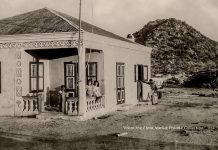
Aruba’s history offers a cautionary tale. In the early 19th century, mangrove oysters once supported a small but thriving local industry. Harvested from mangrove roots, they provided both food and income. However, mangrove wood soon became more valuable and was heavily exploited for construction projects, including fort building in Curaçao and lime production. As development expanded, mangrove forests were cleared, leading to the collapse of oyster populations and long-term ecological damage.
Today, the consequences of those choices remain visible. What was once a sustainable resource was lost to short-term gain, altering the island’s environmental balance.
The lesson is clear: protecting mangroves is not just about conserving nature—it is about preserving culture, livelihoods, and the future of coastal communities. Responsible tourism and environmental awareness are critical. Respecting protected areas, reducing waste, and supporting conservation efforts are small but meaningful steps that can collectively make a difference.
Mangroves are more than trees; they are lifelines. In Aruba, they still stand—resilient, vital, and irreplaceable. The question that remains is simple: will we stand with them?
For those eager to go beyond the surface of Aruba’s postcard beauty, Etnia Nativa offers something rare: a deeply personal encounter with the island’s ancestral soul. Rooted in the lineage of native Aruban families and pre-Columbian heritage, it invites visitors to step into history—not as observers, but as participants.
Because in Aruba, heritage is not just preserved—it is lived.
Personal experiences with Etnia Nativa are available by appointment: WhatsApp +297 592 2702 etnianativa03@gmail.com