



Etnia Nativa:Yourpeek into Nativemagic, healing the spirit.
Article by Etnia Nativa call us 592 2702 and book your experience!
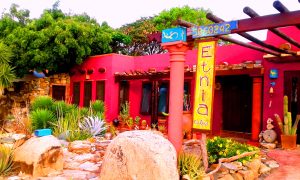
For decades, Etnia Nativa has warned about the consequences of uncontrolled tourism on Aruba’s neighborhoods, beaches, culture, and environment. Today, many longtime residents no longer recognize the communities where they grew up — neighborhoods once filled with neighbors are now dominated by short-term visitors, noise, and disorder, off-road traffic, overflowing garbage containers, and crowed of visitors on beaches once enjoyed mainly by local families.
As natural spaces disappear and mass tourism reshapes the island, Etnia Nativa faces a difficult question: can tourism continue growing without destroying the identity, tranquility, and beauty that made the island unique in the first place?
The future of Aruba may depend on moving beyond extractive tourism toward a regenerative model — one that protects nature, respects local communities, and preserves the island for future generations before it is too late.
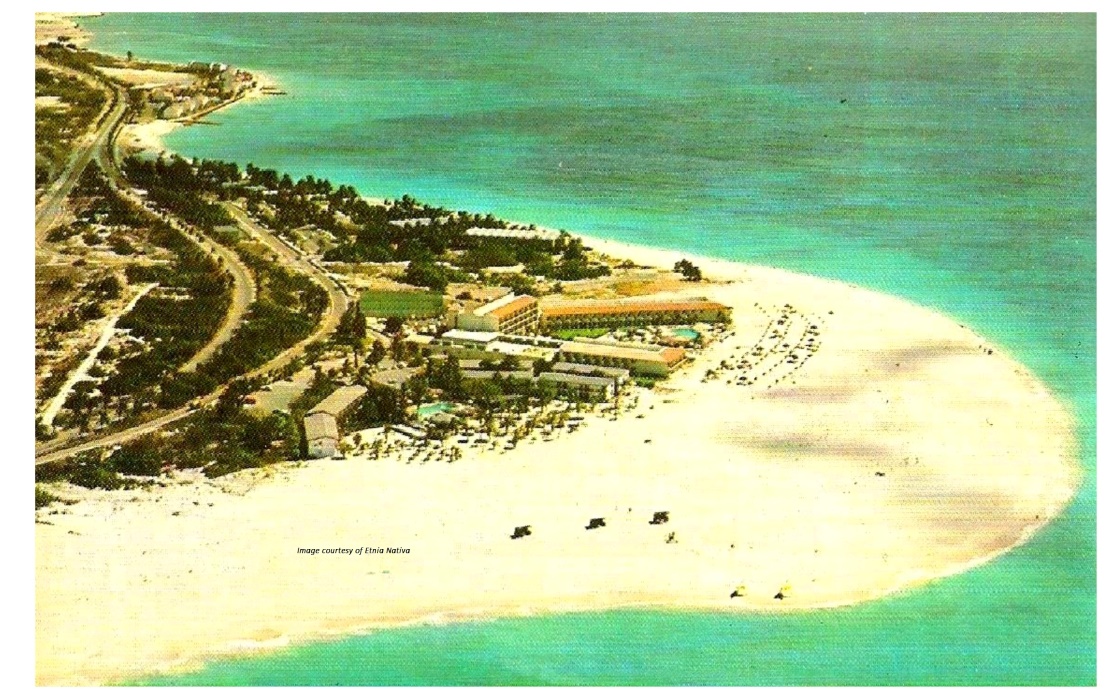
During the 1950s, when tourism began on our island, success was measured by the number of visitors and their spending. Aruba built its first high-rise hotel, the Aruba Caribbean Hotel and Casino (see details in episode 120, titled “In the Beginning”), which soon became an architectural icon attracting the international jet set and Hollywood celebrities. Its success helped drive the steady growth of tourism across the Caribbean region. Luxury came to mean large resorts, activity-filled itineraries, endless entertainment, and the promise of the “perfect getaway.
Years ago, as plastic pollution and environmental damage spread across the world, sustainable tourism emerged with one essential question: ‘How do we reduce harm?’
Now, in 2026, a new question is transforming the global travel industry: ‘How do we leave a place better than we found it?’

That shift changes everything. A new generation of travelers is no longer satisfied with simply visiting a destination; increasingly, people want their journeys to have purpose and leave a positive impact on the places they explore. Across the world, the tourism industry is evolving beyond sustainability toward regenerative tourism — a model focused not only on reducing harm, but on restoring ecosystems, strengthening local communities, and preserving cultural identity for future generations.
The difference is profound.
From community-led tourism projects in India to ecological restoration initiatives throughout Europe and the Caribbean, travelers are seeking experiences rooted in authenticity, connection, and responsibility rather than overcrowded excursions and mass-tourism attractions. Travel is no longer defined only by sightseeing or consumption, but by the opportunity to contribute, learn, and help protect the places and cultures that make each destination unique.
And perhaps nowhere is this conversation more urgent than in Aruba.
For years, Aruba has relied heavily on tourism while gradually sacrificing parts of its ecological and cultural authenticity in the process. The island adapted itself to external expectations: speaking the language visitors expected, promoting entertainment designed for outsiders, and reshaping cultural experiences into simplified versions of ourselves.
But why must Aruba continue imitating what tourists can already find elsewhere?
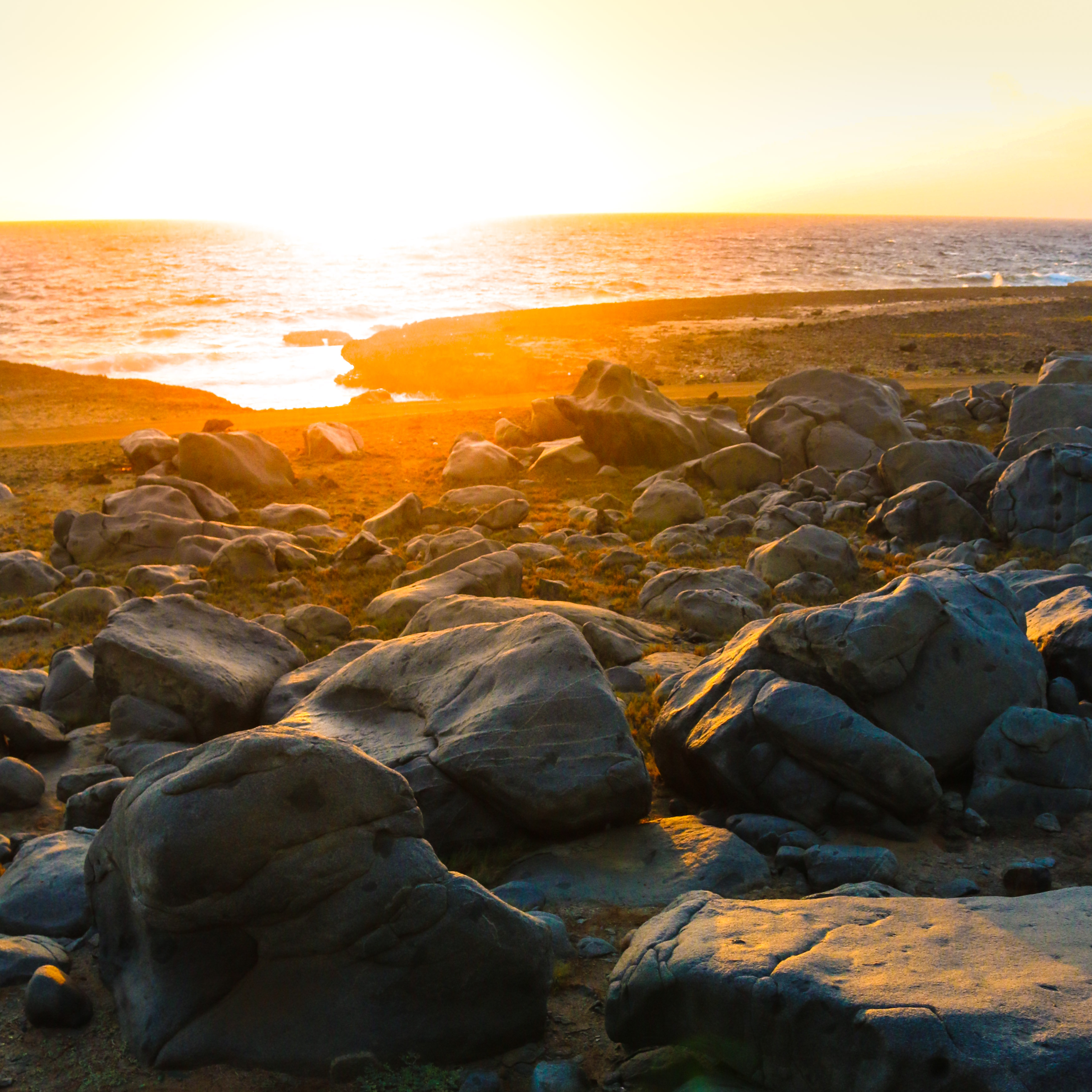
Why promote generic Caribbean imagery when Aruba possesses a distinct cultural identity of its own -a desolate and beautiful landscape, Paleolithic and prehistoric heritage sites, fertile seas, and natural orchestras of migrating birds? Aruba has the potential to embrace sustainable agriculture, ecological architecture, and a way of living that feels deeply rooted, authentic, and unlike anywhere else in the region.
Our future cannot depend on becoming interchangeable.
Regenerative tourism offers another path. However legislation preventing gold rush activities investors must be kept at bay limiting over exploitation with discouraging fines.
Imagine tourism in Aruba not as consumption, but as restoration — visitors helping protect coral reefs, joining coastal cleanups, and supporting local farmers, fishermen, and artisans instead of disconnected global supply chains.
But that future also requires limits. Aruba cannot continue allowing environmentally destructive activities, overcrowding, off-road damage, noise, and pollution to expand in the name of entertainment and unchecked growth.
Without stronger protections and a clearer vision, Aruba is losing the beauty, tranquility, and cultural identity that once made the island unique. The question is whether Aruba will embrace a regenerative future, or continue being treated like a stationary cruise ship, where every experience is mediated through digital plastic and designed solely for consumption.
Personal experiences with Etnia Nativa are available by appointment:WhatsApp+297 592 2702 etnianativa03@gmail.com