




In the quiet community halls of the Cherokee Nation and the vibrant cultural centers of the Pacific Northwest, a rhythmic sound is echoing—the clatter of plum pits and the soft thud of willow sticks against woven baskets. This isn’t just the sound of a game; it is the sound of a cultural reclamation. Across the United States, Native American communities are reviving the ancient art of traditional dice making, turning a prehistoric pastime into a modern tool for education, healing, and tribal pride.
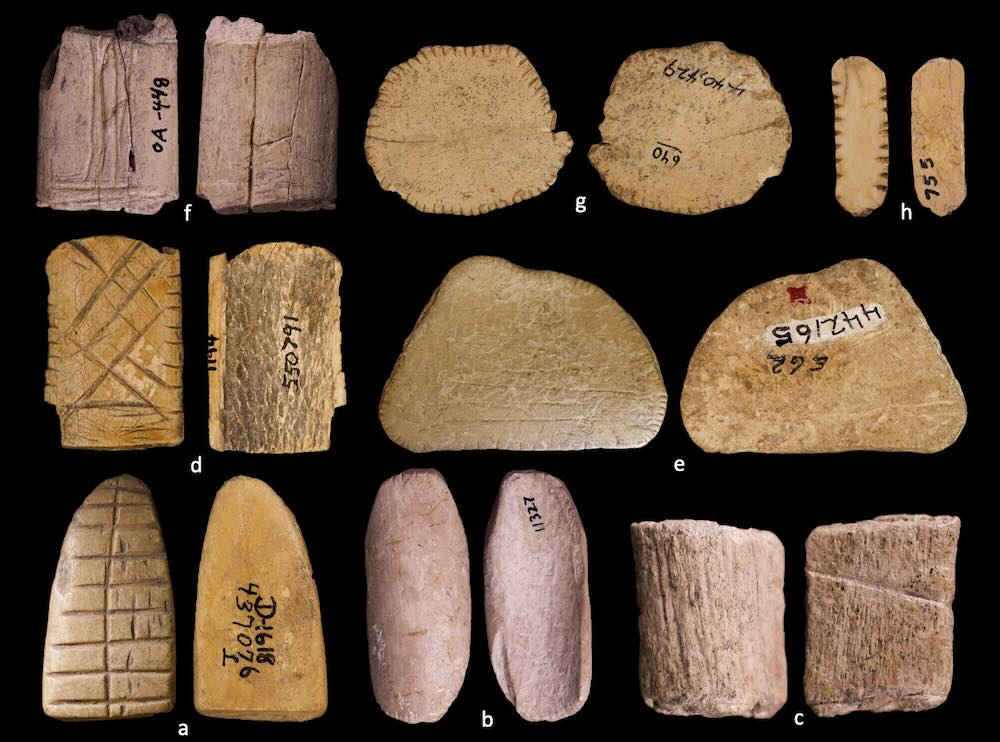
For centuries, hundreds of Indigenous nations—from the Lakota of the Great Plains to the Hopi of the Southwest—played sophisticated games of chance and skill. Long before the arrival of the six-sided plastic cube, Indigenous “dice” were masterpieces of natural engineering. Artisans crafted them from locally sourced materials: bison ribs, walnut shells, peach stones, and carved deer bone. Typically two-sided, these pieces were etched with intricate symbols representing clans, constellations, or the four directions, then smoothed to a high polish with animal fat and patience.
More than a game
The revival of these games, such as the “Basket Game” or “Hand Game,” is being hailed by tribal leaders as “good medicine.” In many communities, the process of making the dice is just as important as the play itself. Elders are leading workshops to teach youth how to harvest willow during the correct moon phase and how to use traditional dyes made from berries and minerals to color the wood.
“When a young person sits down to carve a set of plum pit dice, they aren’t just making a toy,” says Michael Running Bear, a cultural educator. “They are connecting with the materials of their ancestors. They are learning the patience of the craft and the stories that go along with each symbol. It builds a bridge between generations that was nearly broken.”
The mathematics of tradition
Beyond cultural preservation, these traditional games are making a surprise appearance in modern classrooms. Educators are using Native American dice to teach complex concepts of probability and statistics. Because most traditional dice are two-sided (with a “decorated” and “plain” side), they provide a perfect real-world model for binary probability.
Students who might struggle with abstract algebra often find clarity in the “counting sticks” used to track scores in a game of “Stick Dice.” By recognizing that their ancestors were skilled mathematicians who understood the laws of chance, Indigenous students are finding a renewed sense of academic confidence and connection to their heritage.
A living heritage
Today, these games are becoming a highlight of tribal fairs and inter-tribal gatherings, drawing large crowds of both participants and spectators. Unlike modern gaming, which is often solitary, traditional Indigenous dice games are inherently social. They involve singing, rhythmic drumming to distract opponents, and communal storytelling.
For the vacationer traveling through the American West or the Appalachian highlands, witnessing a traditional dice game offers a glimpse into a living, breathing culture that refuses to be relegated to history books. It is a reminder that resilience often looks like a group of people laughing around a basket, tossing carved stones, and keeping a thousand-year-old tradition alive with every throw.