

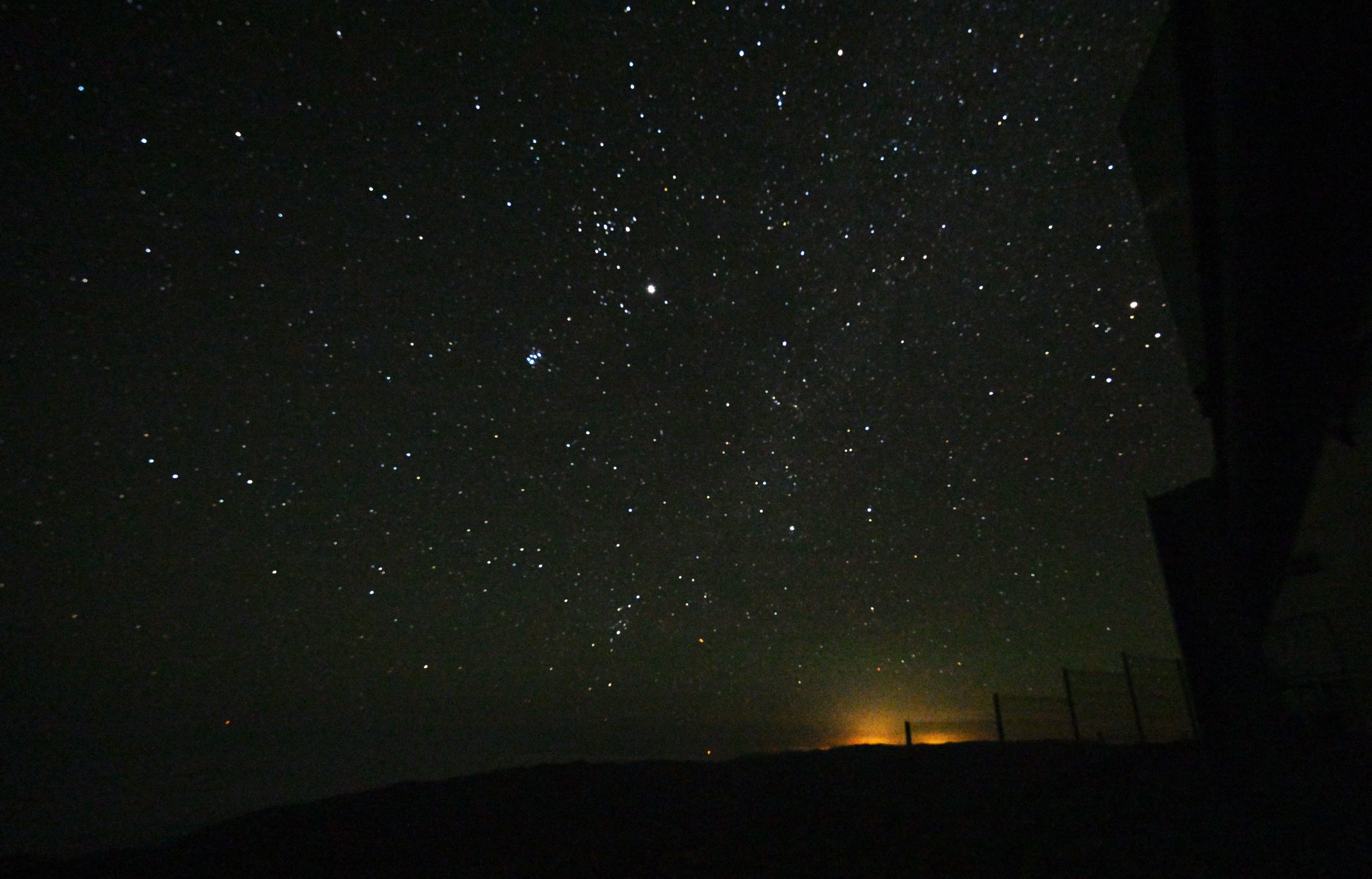




Aggressive energy conservation measures and smart city tech are triggering a massive drop in light pollution across major Western nations. EarthSky reports that new imagery released by NASA’s Black Marble Project shows an unprecedented dimming of nighttime artificial radiance, restoring night skies for stargazers and giving local ecosystems room to heal.
For generations, the steady march of human progress has been measured by the growth of our artificial footprint. To space-bound satellites, the planet resembled a web of brilliant electricity. However, this illumination came at a steep environmental cost, masking the cosmos, disrupting human sleep cycles, and devastating nocturnal wildlife.
Now, the tide is turning. A landmark global study of Earth’s night skies reveals that artificial illumination is no longer a one-way street toward total saturation. Instead, targeted legislative action and advanced infrastructure are successfully dimming city lights.
The story behind the pixels
The new maps are the product of NASA’s Black Marble Project, a specialized satellite network designed to monitor human-made light emissions across the globe. Using the Visible Infrared Imaging Radiometer Suite (VIIRS), these satellites filter out seasonal snow, transient forest fires, changing cloud cover, and moonlight to isolate pure human light footprints.
The resulting dataset reveals distinct regional trends. While rapidly expanding urban hubs in Asia and sub-Saharan Africa continue to brighten, a coordinated push for environmental stewardship has triggered sharp dimming trends across Western Europe and various North American communities.
Leading the global dimming trend is France, where night skies over Paris and surrounding regions dimmed by a massive 33%. This environmental recovery was closely followed by the United Kingdom with a 22% reduction in light output, and the Netherlands, which registered a 21% drop.
Legislation meets innovation
This widespread reduction is not an accident or a sign of infrastructure decline. Instead, it is the direct result of deliberate public policy and a rapid shift toward sustainable, directional LED lighting systems.
Across Europe, rigid dark-sky laws now dictate how and when cities can be lit:
Curfew Ordinances: In France, commercial properties, shop windows, and non-essential public monuments are legally required to shut off their exterior lights between 1:00 AM and 6:00 AM.
Directional Lighting: Municipalities are actively replacing older, high-glare street lamps that scatter light upward into the atmosphere with shielded, downward-facing fixtures.
Adaptive Dimming: Advanced smart-city grids automatically lower illumination levels by 30% to 50% during deep-night hours when foot traffic is low.
“The data shows us that deliberate, focused conservation policies work,” notes the NASA Earth Observatory team. While part of the initial European drop coincided with temporary energy-saving strategies during the regional 2022 energy crisis, the long-term trend proves that modern infrastructure can maintain public safety while preserving the night.
An environmental and cultural victory
The benefits of reclaiming the darkness extend far beyond energy bill savings. For local ecosystems, the return of natural night is a critical lifeline. Excessive light pollution routinely misorients migrating birds, disrupts the pollination habits of nocturnal insects, and throws off the breeding cycles of amphibians. By dimming the urban glow, these communities are actively protecting local biodiversity.
For humanity, the fading light pollution represents a cultural revival. For the first time in decades, residents living on the fringes of major European metros are seeing the Milky Way from their doorsteps. The data provides a blueprint for communities worldwide, proving that economic development does not have to cost us our view of the universe.