
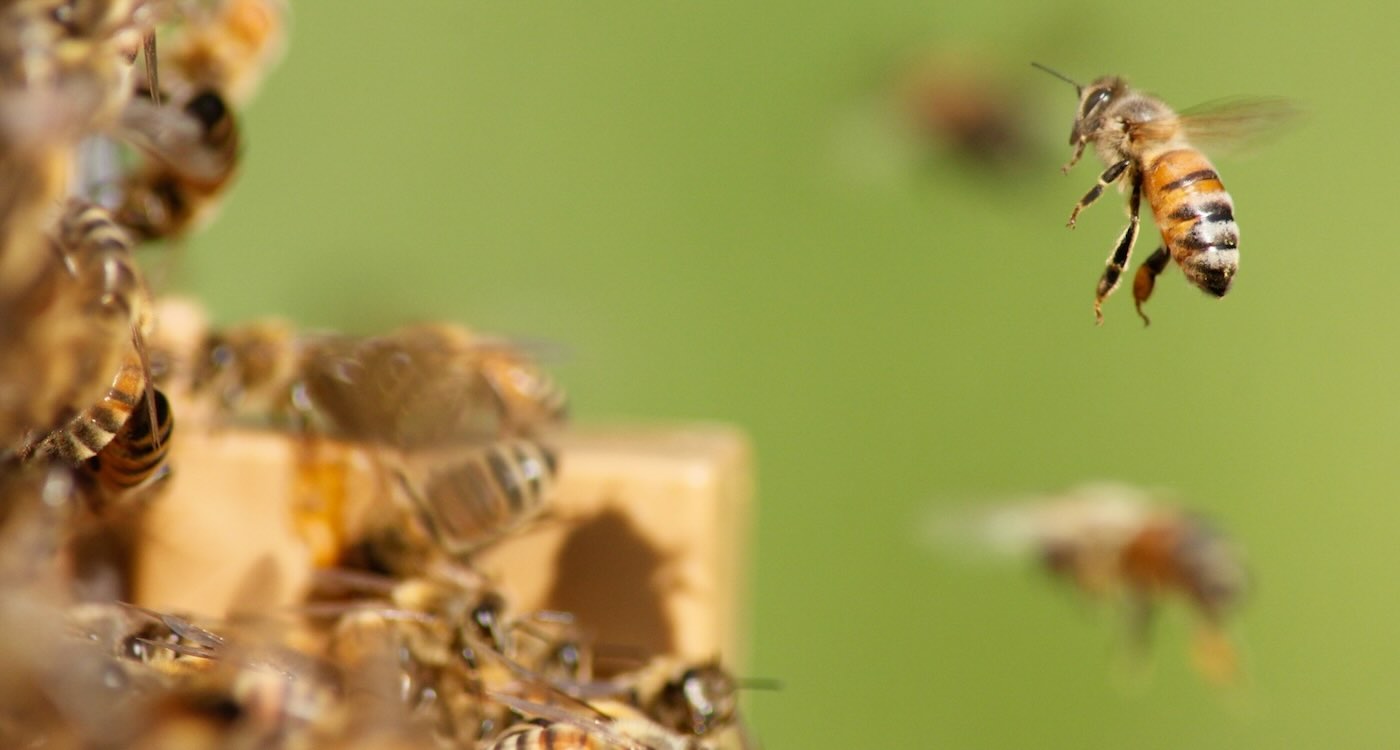




In the sprawling canyons and sun-soaked coastal sage scrub of Southern California, a silent revolution is buzzing through the air. While honeybee populations worldwide have faced a harrowing decline due to the “Varroa destructor” mite, a localized strain of resilient bees has been discovered thriving in San Diego and Riverside counties. These “super-bees” have achieved what scientists have spent decades trying to engineer in a lab: a natural, genetic defense against one of nature’s most lethal parasites.
The Varroa mite is a beekeeper’s worst nightmare. These microscopic red hitchhikers attach to bees, draining their vital fluids and transmitting a cocktail of deadly viruses. For most of the last thirty years, keeping a hive alive has required a rigorous schedule of chemical treatments. Without human intervention, a typical colony rarely survives more than two years. Yet, researchers recently identified “feral” colonies in Southern California that have survived—and flourished—without a single drop of pesticide for over two decades.
The power of “VSH”
The secret to their survival is a remarkable evolutionary trait known as Varroa Sensitive Hygiene (VSH). These unique California bees have developed an extraordinary sense of smell that allows them to detect the presence of mites hidden beneath the wax caps of developing larvae.
Once a mite is detected, the worker bees act with surgical precision. They uncap the cell and remove the infested larvae, sacrificing a few individuals to save the entire colony. By interrupting the mite’s reproductive cycle, the bees keep the parasite levels low enough to remain harmless. This isn’t just a fluke; it is evolution in action, proving that nature often holds the keys to its own restoration.
A sweet victory for agriculture
For the vacationers and residents of the Golden State, this discovery is more than just a scientific curiosity—it is a safeguard for the landscape itself. Southern California is famous for its agricultural bounty, from the vast almond groves of the Central Valley to the avocado orchards of Fallbrook. These crops rely almost entirely on honeybees for pollination.
By studying these resilient bees, scientists hope to “back-cross” their genes into commercial honeybee stocks. This could eventually lead to a global population of bees that no longer require chemical assistance, ensuring that the fruits, nuts, and vegetables we enjoy on our holiday tables remain abundant and affordable.
Nature’s resilience on display
Beyond the economic impact, the success of these bees is an inspirational reminder of ecological resilience. In an era often defined by environmental struggle, the “Super-Bees of SoCal” stand as a symbol of hope. They remind us that when given enough space and a healthy habitat, life finds a way to adapt and overcome.
As these tiny warriors continue to forage among the California poppies and white sage, they are doing more than just making honey. They are providing a blueprint for survival and a reason for optimism.