




Booking a magical glimpse inside Etnia Nativa is easy!
Article by Etnia Nativa call us 592 2702 and book your experience!
Etnia Nativa explores the indigenous heritage and external influences that shaped the Aruba we know today. It honors the ancestral wisdom passed down by the island’s first inhabitants—survival skills, medicinal plant knowledge, practical crafts, astronomical navigation, and the reading of weather patterns. Preserved across generations, these traditions continue to shape Aruba’s cultural identity, affirming an enduring bond between the island, its original people, and the land itself.
In this new episode, Etnia Nativa reveals that beyond the island’s arid landscape lies the living wisdom of Aruba’s native plants—hidden networks of communication and connection that sustain and ensure their survival.
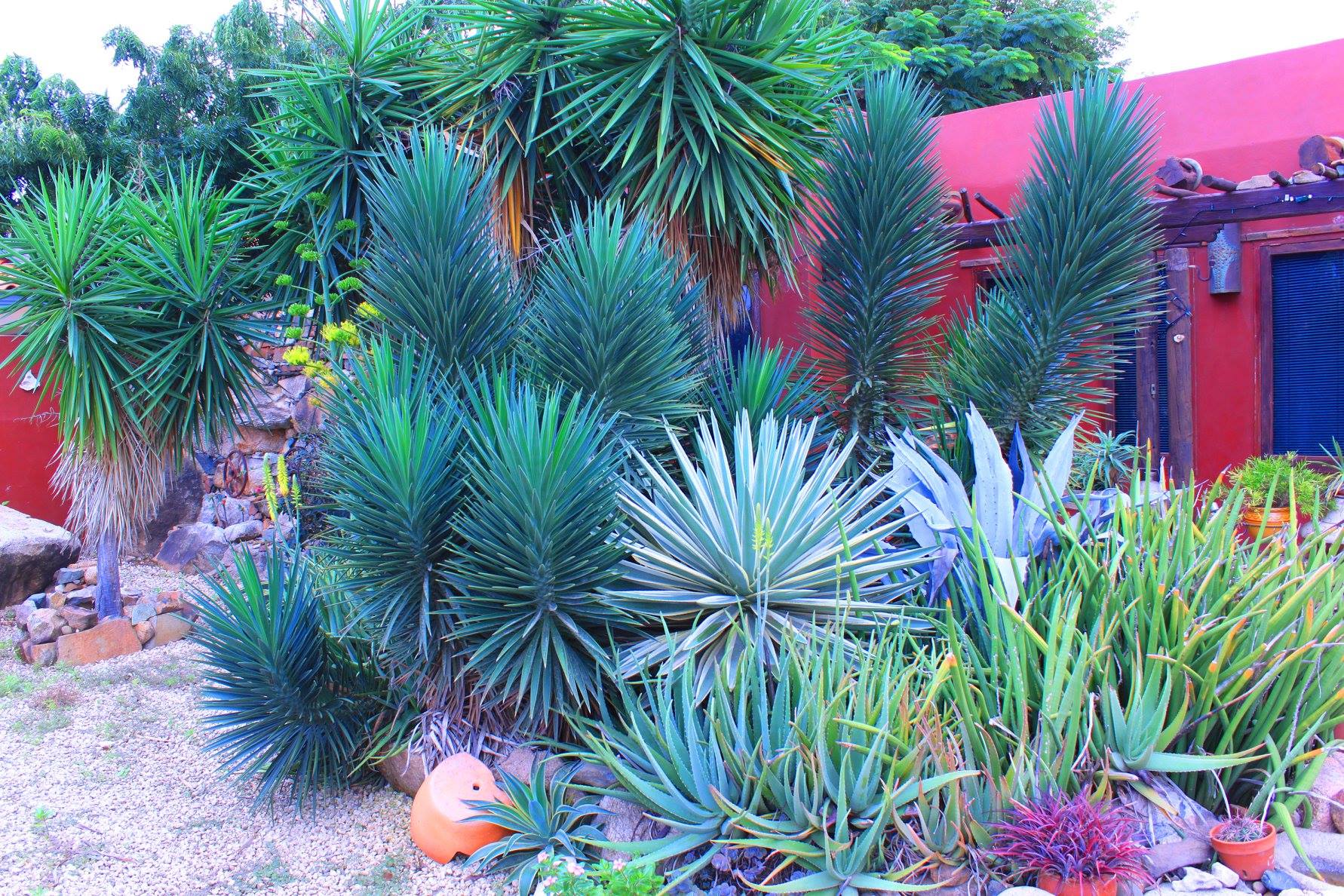
Aruba’s landscape may seem rugged and sun-scorched at first glance, but beneath its windswept terrain lies a world of remarkable botanical intelligence and resilience. Much like forests connected through underground fungal networks elsewhere in the world, Aruba’s native plants are part of subtle ecological partnerships that allow life to flourish in one of the Caribbean’s driest climates.
Though scientists often describe the famous “Wood Wide Web” in temperate forests, similar underground collaborations occur in dry ecosystems. Many of Aruba’s native plants form symbiotic relationships with soil fungi and microorganisms that help them absorb scarce nutrients and retain precious moisture. In return, the plants provide sugars produced through photosynthesis. In a land where rainfall is limited and unpredictable, cooperation is key to survival.
Despite its semi-arid climate, Aruba is home to extraordinary native species uniquely adapted to heat, wind, salt spray, and drought. The iconic Divi-divi tree, permanently shaped by the trade winds, is more than a visual symbol of the island. Its deep and spreading root system stabilizes soil and seeks underground moisture, while its small leaflets reduce water loss. The tree’s curved silhouette tells a silent story of adaptation to constant environmental pressure.
Towering above the landscape, the Cadushi, a candelaber cactus demonstrates another survival strategy: water storage. This columnar cactus stores moisture in its thick, fleshy stems, allowing it to endure long dry periods. At night, it opens its pores to reduce water evaporation, a process known as CAM photosynthesis—an ingenious adaptation to desert life.
The hardy Acacia, or Hubada, and the Mesquite, or Kwihi, along with the Kibrahacha—which bursts into brilliant yellow blooms after rainfall—reveal another strategy for survival. Our native shrubs, such as Basora Preto, Beishi, Seida, and Yerba Sinki, demonstrate similar resilience.
Timing is another strategy. Some plants remain dormant during prolonged drought, then rapidly leaf out or flower when rain finally arrives, taking swift advantage of brief wet periods.
Life in Aruba’s dry climate demands root diversity as well. Some species develop deep taproots that reach hidden groundwater reserves, while others spread shallow root systems that quickly absorb rain before it evaporates under the intense Caribbean sun. This combination of strategies ensures that every drop of water is utilized.
Plants also communicate distress. When grazed upon or stressed by drought, certain species release chemical signals into the air—subtle warnings that may prompt neighboring plants to activate defensive mechanisms. Though invisible to us, this chemical conversation helps sustain fragile ecosystems.
Aruba’s flora teaches us that resilience is not about isolation, but about connection. Beneath the island’s rocky soil lies a quiet network of cooperation, adaptation, and survival. What appears at first to be a sparse desert is, in reality, a finely tuned living system—one in which every root, fungus, and leaf plays a role in sustaining life against the odds: shrinking ecosystems, unchecked development, garbage accumulation, hazardous chemicals used by pest control enterprises, and many other threats that thrive under the radar.
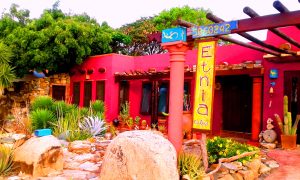
This new episode of Island Insight is presented by Etnia Nativa—a portal to the living heart of Aruba’s ancestral history. Built entirely from recycled materials and nestled just meters from the island’s hotel district, its discreet presence is part of its charm. Etnia Nativa stands as a hidden sanctuary where heritage can be peacefully experienced, far from the hustle and bustle of conventional tourism.
Visits are by appointment only. WhatsApp +297 592 2702 etnianativa03@gmail.com