



Etnia Nativa: Your peek into Native magic, healing the spirit.
Article by Etnia Nativa call us 592 2702 and book your experience!
In this episode, Etnia Nativa explores how Aruba’s cultural heritage is being commodified as “progress,” questioning whether the island’s identity is being sold for development.
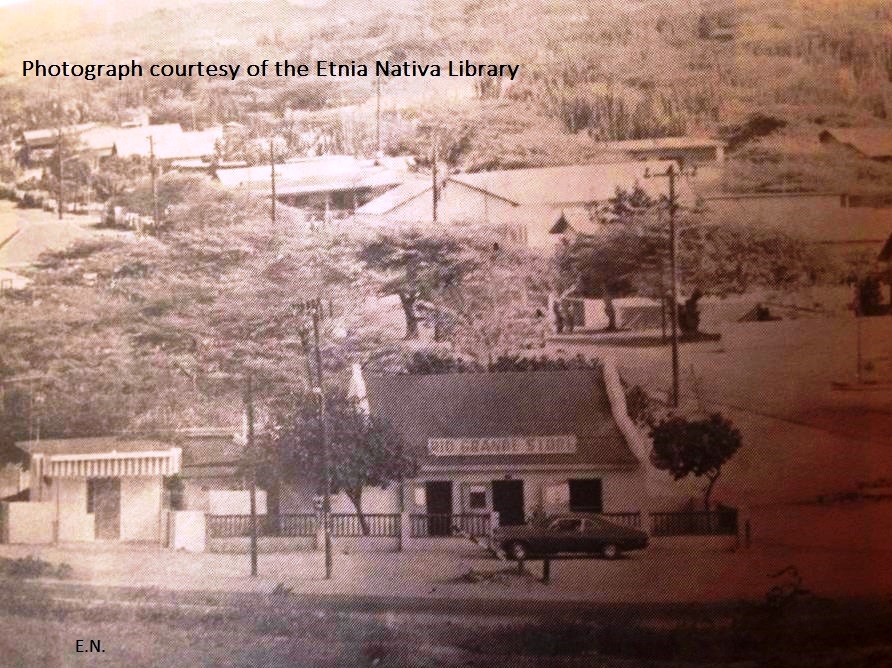
At the roundabout near St. Anne’s Church, the usual bustle of traffic and tourism continues, but the northwestern corner no longer hosts the Rio Grande Store. Once a typical Aruban cunuco house, its walls were painted in changing colors over the years.
No plaque, no preservation sign—no hint that one of Noord’s most iconic historic structures ever stood here, serving as a cornerstone of community life. Instead, all that remains is a simple “For Sale” sign. The Rio Grande is gone, replaced by a divided empty lot, its disappearance unacknowledged and ignored.
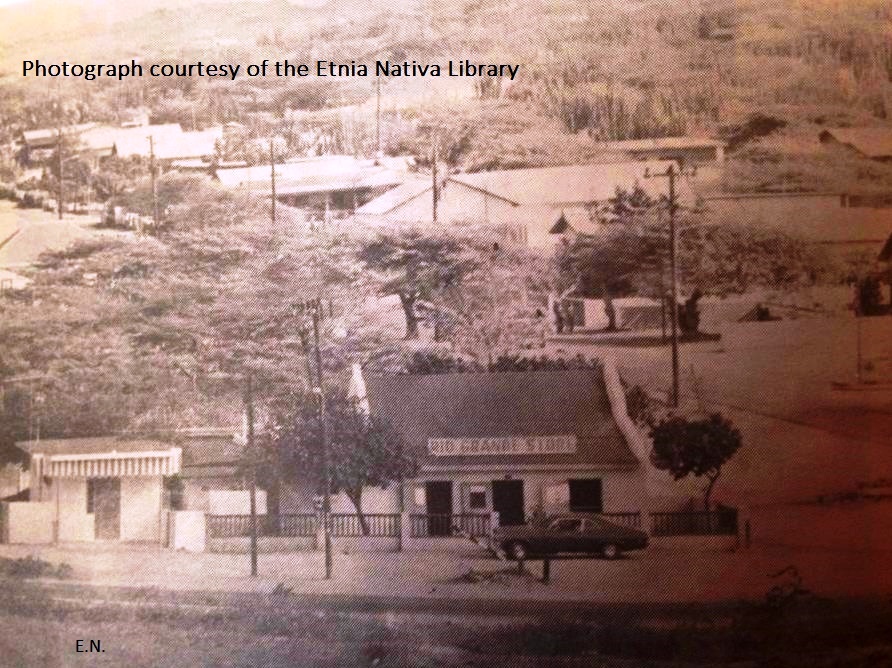
Built in 1921, Rio Grande was no ordinary building. Designed by master builder Janchi Christiaans, it embodied a distinctive architectural identity—blending Caribbean practicality with European influence. It served as both a commercial and social hub in Noord, long before the towering hotels came to dominate Aruba’s coastline and economy.
Yet, its destruction wasn’t due to a natural disaster or structural failure. It was the result of a decision.
And according to heritage advocates, that decision followed a troubling pattern all too familiar in Aruba: the quiet erosion of historical value, sacrificed at the altar of economic pressures.
There was no national referendum. No binding heritage law strong enough to prevent its demolition. No sustained public outcry. Only permits, property rights, and an unsettling silence.
Over the past 30 years, Aruba has become a key player in the ‘erasure economy,’ undergoing a radical transformation. With the boom in tourism, land values skyrocketed, especially in areas like Noord, now one of the island’s most commercially sought-after regions. This shift ushered in a new hierarchy: beach views prioritized over historical context, the speed of development over cultural value, and private property over collective memory.
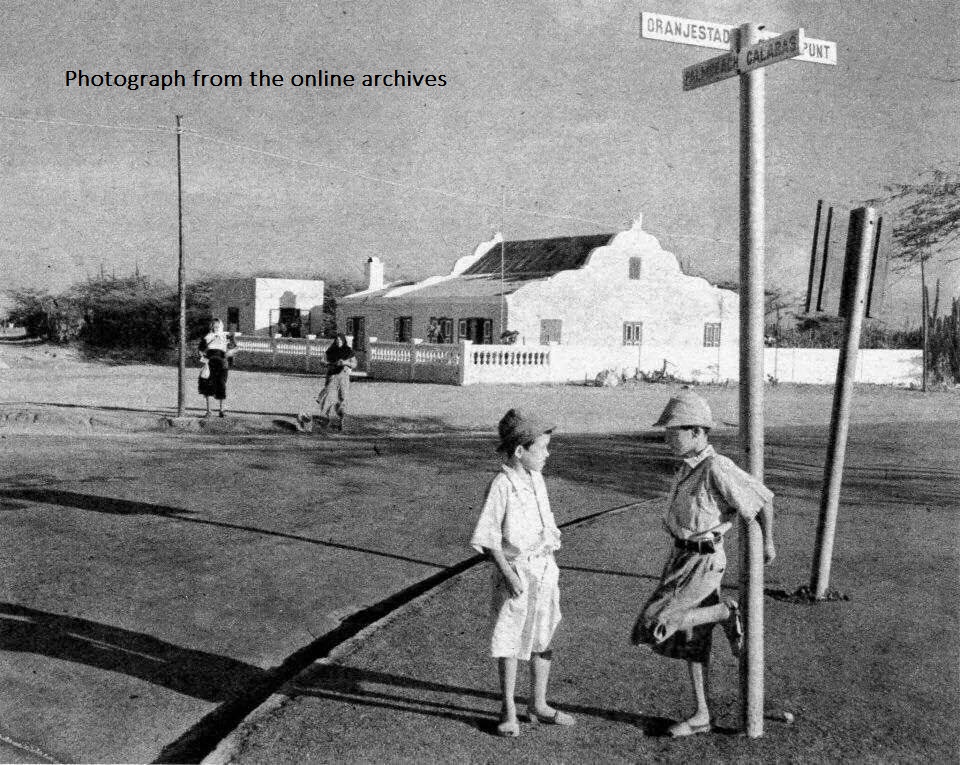
Rio Grande—far from an isolated case—found itself directly in the path of this transformation. Like so many buildings without legal protection, it became expendable. Its disappearance is part of a troubling pattern. Across Aruba, structures of significant historical value have been demolished or left to decay beyond repair.
Cases like the House of the Government (1830), once the island’s administrative center, the early 20th-century Police Headquarters, and private residences such as the Oduber family home in Oranjestad—linked to prominent political and cultural figures—all share a common thread.
Each case reveals the same underlying factors: weak enforcement of the law, delayed recognition, and a lack of economic incentives for redevelopment.
Rio Grande’s controversy isn’t just that it vanished, but that its land is now being redeveloped without regard for its history. Its cultural legacy is ignored because there’s no law forcing developers to preserve or acknowledge it.
Organizations like Monumentenfonds Aruba have repeatedly warned that Aruba’s preservation framework is reactive, not proactive. The situation is dire: by the time a building is officially recognized as a monument, it often already suffers from structural damage, competing private interests, or pending renovation plans.
Critics contend that, in practice, the system documents loss rather than preventing it
Aruba’s international image is built on its idyllic beaches and booming tourist infrastructure. Yet beneath this success lies a silent erosion of cultural value, one that isn’t captured by tourism statistics. Places like Rio Grande carried an intangible heritage, defined by community identity, unique architecture, and generational continuity.
Without this intangible heritage, Noord—and all of Aruba—risk becoming geographically recognizable but historically anonymous.
Intangible cultural losses raise a question that Aruba has yet to fully confront: when heritage stands in the way of profit, it is left unprotected.
There is no official plaque where Rio Grande once stood.
There is no conservation area to preserve its site.
There is no public acknowledgment of its disappearance.
Only a piece of land—valuable, transferable, and completely disconnected from its past.
From those eager to go beyond the surface of Aruba’s postcard beauty, Etnia Nativa offers something rare: a deeply personal encounter with the island’s ancestral soul. Because in Aruba, heritage is not just preserved—it is lived. Only by appointment: WhatsApp +297 592 2702 etnianativa03@gmail.com