




Etnia Nativa: Your peek into Native magic, healing the spirit.
Article by Etnia Nativa call us 592 2702 and book your experience!
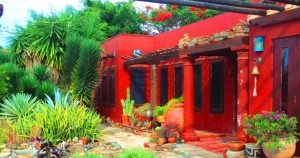
Through this cultural space dedicated to reflection and discovery, Etnia Nativa invites readers to reconnect with Aruba’s intangible cultural heritage: the living traditions, ancestral wisdom, values, and stories passed down from generation to generation.
In this installment, we explore the delicate balance between knowledge and preservation, modernization and cultural identity. We revisit the ways our ancestors understood their surroundings, adapted to the challenges of island life, and cultivated a profound connection with the natural environment. Long before modern pharmacies became widely accessible, families drew upon generations of knowledge of local plants and traditional botanical preparations to care for their everyday health and well-being.
Through these inherited practices, we are reminded that our cultural heritage is not simply a reflection of the past, but a living legacy that continues to shape who we are and how we relate to the world around us.
This knowledge was carefully passed down through generations, often from grandparents to children, through observation, storytelling, and practical experience.
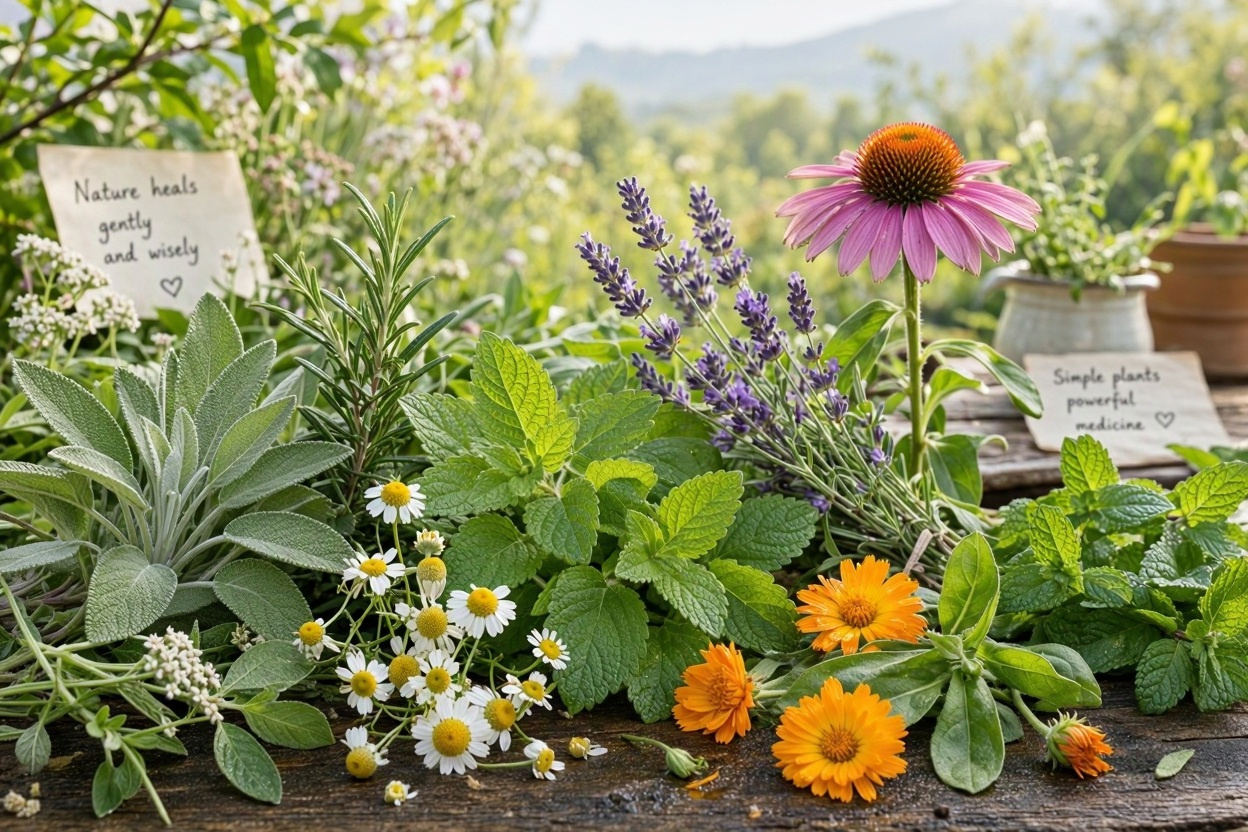
Among the plants associated with Aruba’s traditional botanical heritage are:
Aloe — Well known for its traditional uses in skincare, aloe also holds an important place in Aruba’s agricultural and economic history. For more information, explore Episode XLIII, “The Aloe Industry of Aruba,” and Episode LXIV, “Our Succulent Island.”
Yerba di hole: Basil (Ocimum basilicum) — A plant associated with traditional herbal infusions and local culinary practices. Is an annual aromatic herb belonging to the Lamiaceae family. It is widely used in cooking and traditional medicine, is easy to cultivate, and is known for its digestive, anti-inflammatory, and antimicrobial properties.
Toronjil: Lemon Balm (Melissa officinalis) — Traditionally used in herbal preparations and valued in family traditions— A lemon-scented perennial herb belonging to the mint family, lemon balm is traditionally valued for its calming properties and commonly used to promote relaxation, support restful sleep and digestion, and ease mild feelings of anxiety.
It contains naturally occurring compounds, including Rosmarinus acid, terpenes, and essential oils, which are associated with its calming effects and potential antiviral properties.
Seida (Jatropha gossypiifolia) — A plant recognized in Aruba’s traditional botanical knowledge and mentioned in historical accounts of local medicinal practices and the use of plants for traditional remedies.
Belonging to the Euphorbiaceae family, Seida is a toxic perennial shrub or small tree commonly known as bellyache bush. Native to tropical regions of the Americas, it is now widely distributed throughout tropical regions worldwide. Although historically associated with traditional medicinal practices, the plant contains toxic compounds and should not be used for medicinal purposes without appropriate professional guidance.
To learn more about Seida and its place in Aruba’s traditional botanical heritage explore Episode CCIX (209), “Seida: An Aruban Medicinal Plant.”
These plants represent more than their traditional uses. They remind us of a time when people maintained a close relationship with the natural resources surrounding their homes and communities.
Of course, traditional uses and historical beliefs should be distinguished from scientifically established medicinal benefits. Nevertheless, the cultural knowledge associated with these plants deserves recognition and careful documentation.
At Etnia Nativa, we have explored each of these plants in previous chapters and will continue sharing more about Aruba’s botanical heritage and the traditional knowledge connected to it.
Because preserving cultural heritage also means preserving the stories, experiences, and knowledge associated with the natural world.
Aruba’s ancestral knowledge tells a story of adaptation, identity, and continuity. Our ancestors learned from nature, understood the resources around them, and developed practical ways to thrive on an island where life was not always easy.
Today, as Aruba modernizes and faces new environmental challenges, these traditions remind us of the importance of preserving our natural resources, rediscovering traditional plant knowledge, and keeping our cultural identity alive.
The wisdom of previous generations is more than a reflection of our past; it is a valuable legacy that can help guide a more sustainable future.
At Etnia Nativa, we believe that understanding where we come from is essential to preserving who we are and shaping the generations to come.
Join us in rediscovering the heritage and forgotten wisdom of our island, because what we understand, we can preserve.
Experience Etnia Nativa through a personal and meaningful cultural visit.
Visits are available by appointment only.
For reservations and inquiries: WhatsApp +297 592 2702 etnianativa03@gmail.com