



Etnia Nativa: Your peek into Native magic, healing the spirit
Article by Etnia Nativa call us 592 2702 and book your experience!
Long before Aruba became famous for tourism, the island was already inspiring artists. During the Lago refinery years, Aruba became a meeting place for different cultures and ideas, helping art grow on the island.
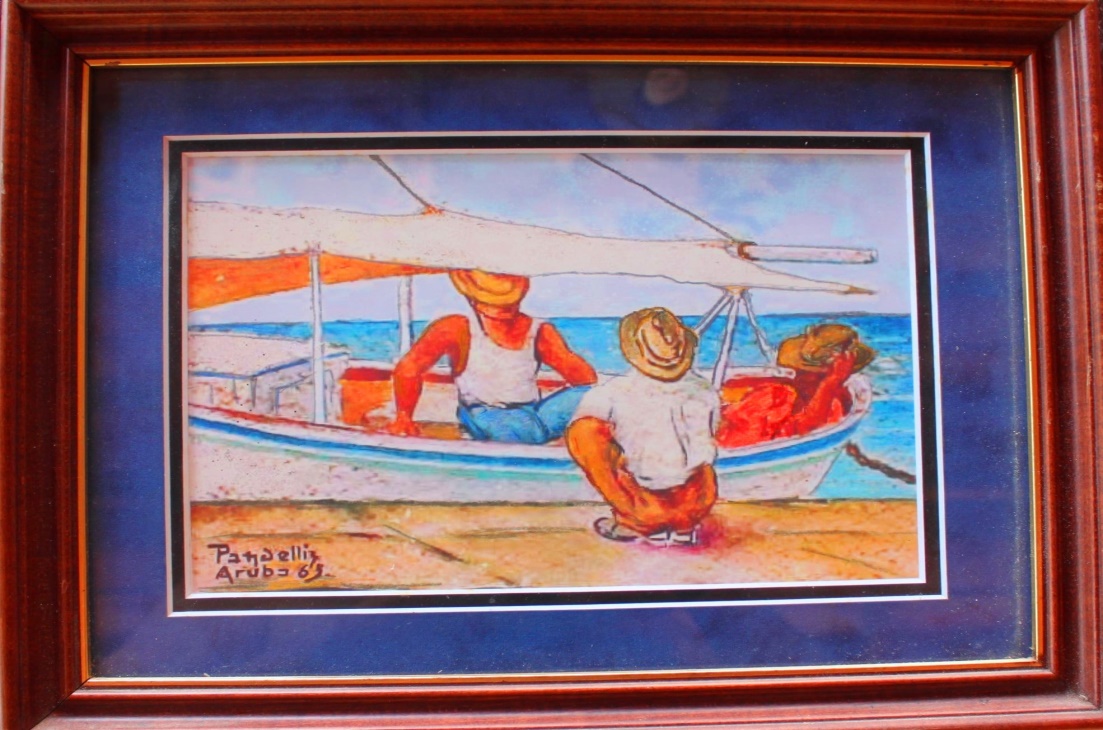
One important artist was Greek painter John Pandellis (1896–1965). Inspired by Aruba’s landscapes, colors, light, and peaceful lifestyle, he created evocative paintings of the island.
In the 1950s, Pandellis settled with his family in San Nicolas. Inspired by his surroundings, he began offering art lessons to local residents.
The community responded with great enthusiasm.
The Lago Colony, home to many refinery employees and their families, became an important space where these lessons could take place. By opening its doors to art classes, the Colony provided something more than a physical location: it created an opportunity for residents to encounter painting, develop their talents, and discover a form of expression that would remain with some of them for the rest of their lives.
For many students, these were their first steps into the world of art.
They gathered around Pandellis, watching carefully as he demonstrated his techniques and translated Aruba’s landscapes onto canvas. His students were captivated by his ability to transform familiar places into poetic scenes filled with color, atmosphere, and emotion.
Some of those students would eventually become artists themselves.
The significance of Pandellis’ classes went far beyond the lessons themselves. He introduced people who had never painted before to the discipline and pleasure of artistic creation. Some students developed their own careers, while others built private collections that remain treasured family possessions today.
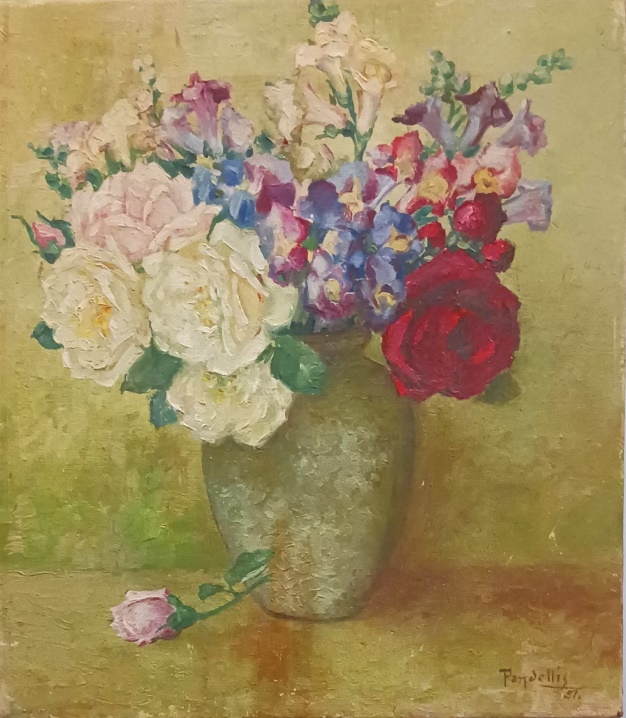
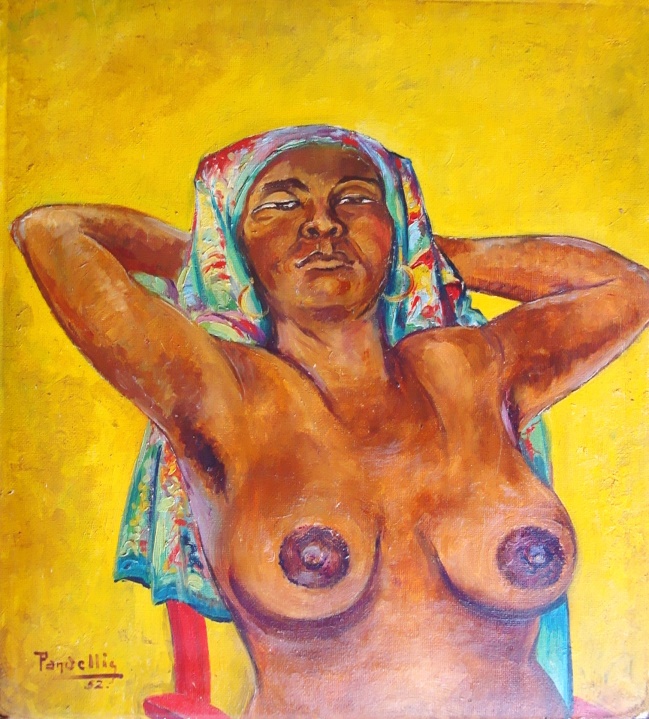
These paintings are more than beautiful objects. They are fragments of a particular Aruba—a time when oil arrived from Lake Maracaibo, the Lago refinery dominated the landscape of San Nicolas, and a diverse community of workers and families created a unique social environment on the island.
Through Pandellis, a new generation of Arubans discovered the world of art.
And then something remarkable happened: the inspiration was passed from one generation to another. Students who had learned from Pandellis inspired members of their own families. Children and grandchildren encountered the same passion for painting, allowing an artistic tradition that began with one visiting teacher to continue evolving long after his departure.
Pandellis’ paintings remain particularly evocative because they capture more than scenery. His work conveys the feeling of Aruba itself—the Caribbean Sea in constant motion, the distinctive island light, the quietness of earlier decades, and the pastel colors that evoke a sense of memory and longing.
His paintings offer a window into an Aruba that can no longer be experienced in quite the same way.
Today, original works by John Pandellis continue to be sought after by collectors, and several of his paintings form part of the private collection of Etnia Nativa Aruba. Each work carries its own story, connecting artistic expression with the memories and experiences of the people who lived through that period.
The story of John Pandellis reminds us that Aruba’s artistic history was shaped not only by professional artists, but also by ordinary residents who were given the opportunity to discover their own creativity.
The Lago Colony played an important role in Aruba’s artistic history by providing space for Pandellis’ art classes, where local residents discovered their talent and passion for painting. From those lessons grew paintings, private collections, family traditions, and an artistic legacy that continues across generations.
At Etnia Nativa Aruba, we believe that understanding Aruba means looking beyond its beaches to discover the people, traditions, encounters, and artistic influences that shaped the island. Our mission is to preserve, present, and celebrate Aruba’s autochthonous Indigenous artistic and cultural heritage, while honoring the many influences that became part of its cultural story.
From Lago Colony to the canvas, from teacher to student, and from one generation to the next, Pandellis’ influence remains part of Aruba’s living cultural memory.
Don’t just visit Aruba—discover its soul. Follow Island-Insight for stories that reveal the island’s deeper heritage, and reserve your mystical cultural experience with Etnia Nativa to connect with Aruba’s ancestral spirit before your journey ends. WhatsApp +297 592 2702 etnianativa03@gmail.com