




Etnia Nativa: Your peek into Native magic, healing the spirit.
Article by Etnia Nativa call us 592 2702 and book your experience!
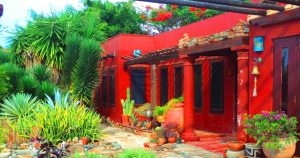
Each week, within this cultural space, Etnia Nativa Aruba—a leading voice in Aruban heritage—shares stories rooted in the island’s past, helping readers reconnect with the depth, identity, and living traditions of Aruba.
In this new episode, Etnia Nativa explores the remarkable story of the tamarind tree—a humble tree with extraordinary benefits that deserves a place in every conversation about health, culture, and sustainability. Discover why this tree remains one of Aruba’s timeless treasures, valued for its enduring contributions to the island’s health, heritage, and cultural identity.
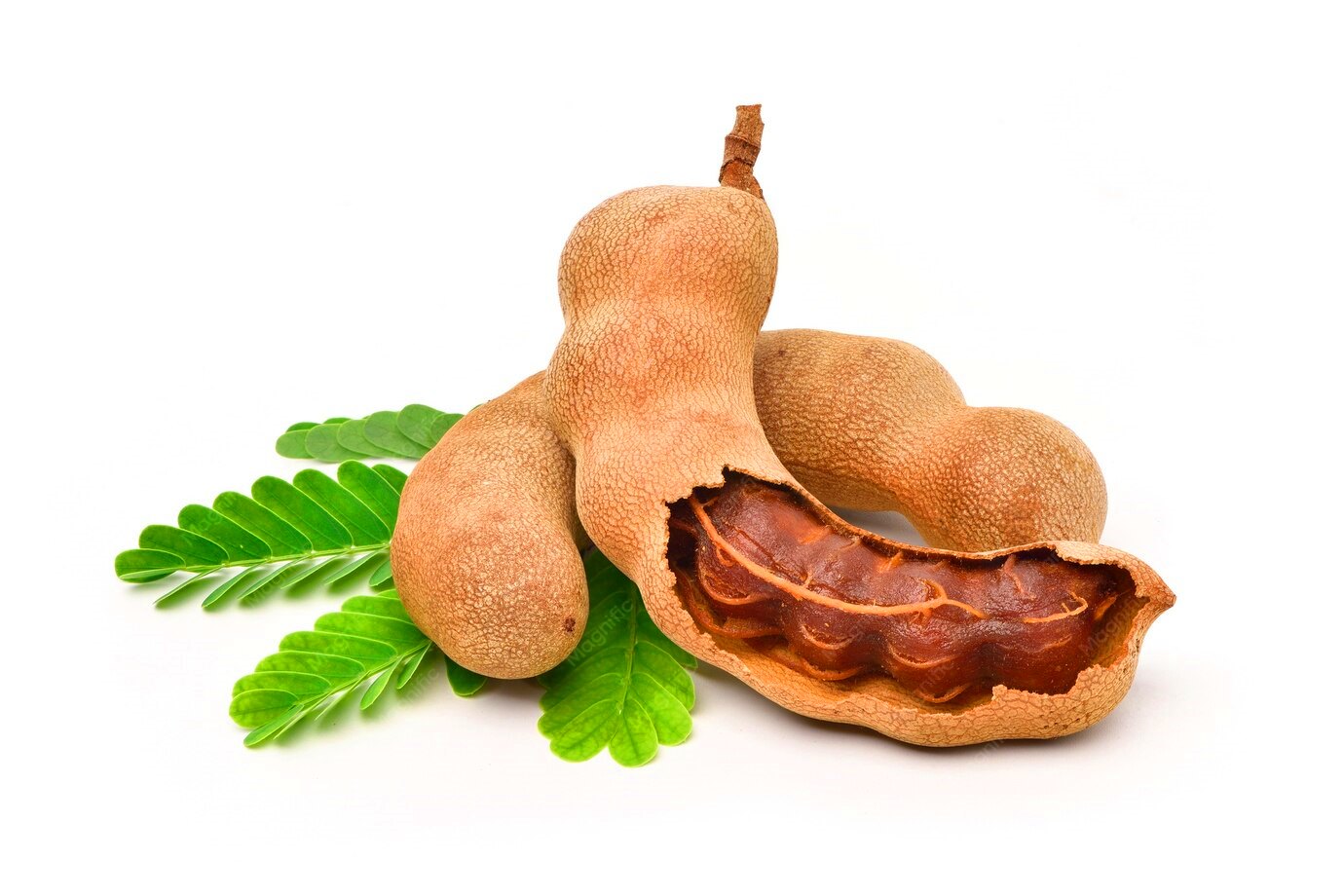
Across Aruba, the tamarind tree stands quietly in gardens, parks, and along roadsides. Many of us know it for its delicious sweet-and-sour fruit, enjoyed in juices, candies, sauces, and traditional recipes. Yet few realize that this remarkable tree, Tamarindus indica, is far more than a culinary delight—it is a natural pharmacy, a piece of our history, and a symbol of resilience.
Although the tamarind tree traces its origins to Madagascar in Africa, it has flourished throughout tropical regions including India, Southeast Asia, Latin America, and the Caribbean. Its remarkable adaptability has allowed it to become an important part of many cultures. In Aruba, the tree arrived centuries ago when Dutch sailors transported tamarind seeds during long maritime voyages as a natural remedy against scurvy, thanks to the fruit’s rich vitamin C content.
Today, tamarind remains one of nature’s most versatile gifts.
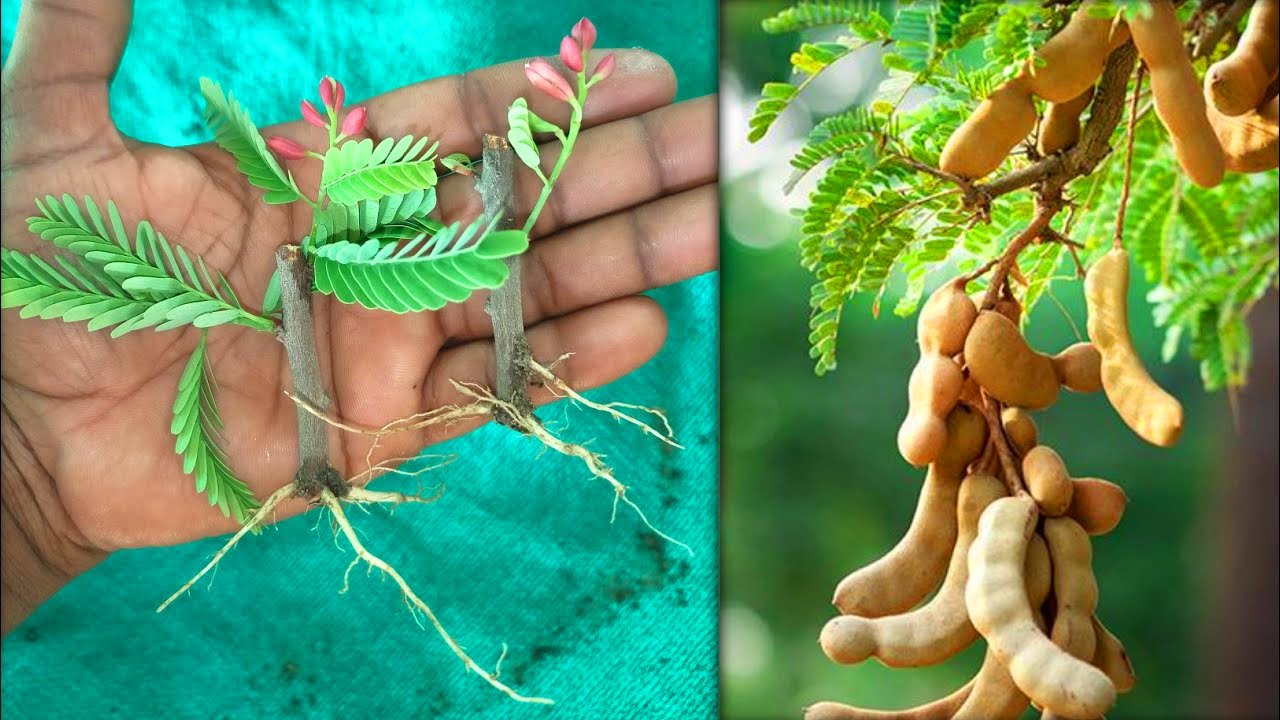
Its bean-shaped pods contain a rich pulp packed with fiber, antioxidants, vitamins, and beneficial plant compounds. Modern scientific research continues to support many of the traditional medicinal uses that generations have relied upon.
Nutrition experts recognize tamarind as a valuable addition to a balanced diet. Rich in dietary fiber and naturally low in fat, it promotes healthy digestion while helping people feel fuller for longer. Natural compounds such as flavonoids and polyphenols may contribute to weight management, while hydroxycitric acid has been studied for its potential role in reducing appetite.
For centuries, tamarind has also been used to support digestive health. The fruit has traditionally served as a gentle natural laxative to relieve constipation, while preparations made from its leaves have been used to ease diarrhea. Different parts of the tree—including the bark, roots, and leaves—have long been valued in traditional medicine to help soothe stomach discomfort and prepare herbal teas for colds and flu.
Perhaps even more impressive are tamarind’s potential benefits for chronic health conditions. Emerging research suggests that compounds found in tamarind seeds may help regulate blood sugar levels and reduce inflammation, offering promising support for individuals living with diabetes. While further clinical studies continue, these findings reinforce the value of this fruit.
The heart also benefits from tamarind’s nutritional profile. Its naturally high potassium content supports healthy blood pressure, while antioxidants may help reduce harmful LDL (“bad”) cholesterol and promote healthier HDL (“good”) cholesterol. Together, these effects contribute to improved cardiovascular health and may reduce the risk of heart disease.
The liver, another vital organ, may also receive protection. Studies have suggested that tamarind extracts may help reduce fatty liver changes associated with high-calorie diets by combating oxidative stress and inflammation.
As allergy season approaches, tamarind once again demonstrates its versatility. Thanks to its antioxidant and antihistamine-like properties, combined with its abundant vitamin C, it may help strengthen the immune system while supporting the body’s natural defenses against allergies, coughs, asthma symptoms, and seasonal colds.
Yet perhaps the greatest value of the tamarind tree extends beyond medicine.
It reminds us that many of nature’s greatest treasures have been growing quietly around us for generations. In an era increasingly focused on processed foods and synthetic remedies, the tamarind tree invites us to reconnect with traditional knowledge while embracing scientific discoveries that continue to reveal its extraordinary potential.
As Aruba looks toward a healthier and more sustainable future, protecting and appreciating trees like the tamarind is more important than ever. They nourish our bodies, preserve our heritage, and connect us with the wisdom of generations past.
The next time you pass a tamarind tree, remember—you are not simply looking at another tree. You are standing before one of nature’s most remarkable gifts, rooted deeply in Aruba’s landscape, history, and future.
For travelers who value authenticity over spectacle, meaningful experiences over photo opportunities, and cultural connection over crowded attractions, Etnia Nativa offers something increasingly rare: a genuine encounter with the spirit of Aruba. Leave not only with memories and photographs, but with a deeper appreciation of the island, its people, and its enduring heritage.
Don’t just visit Aruba—experience its spirit, uncover its stories, and connect with its ancestral roots.
Reserve your mystical cultural experience: WhatsApp: +297 592 2702 Email: etnianativa03@gmail.com