
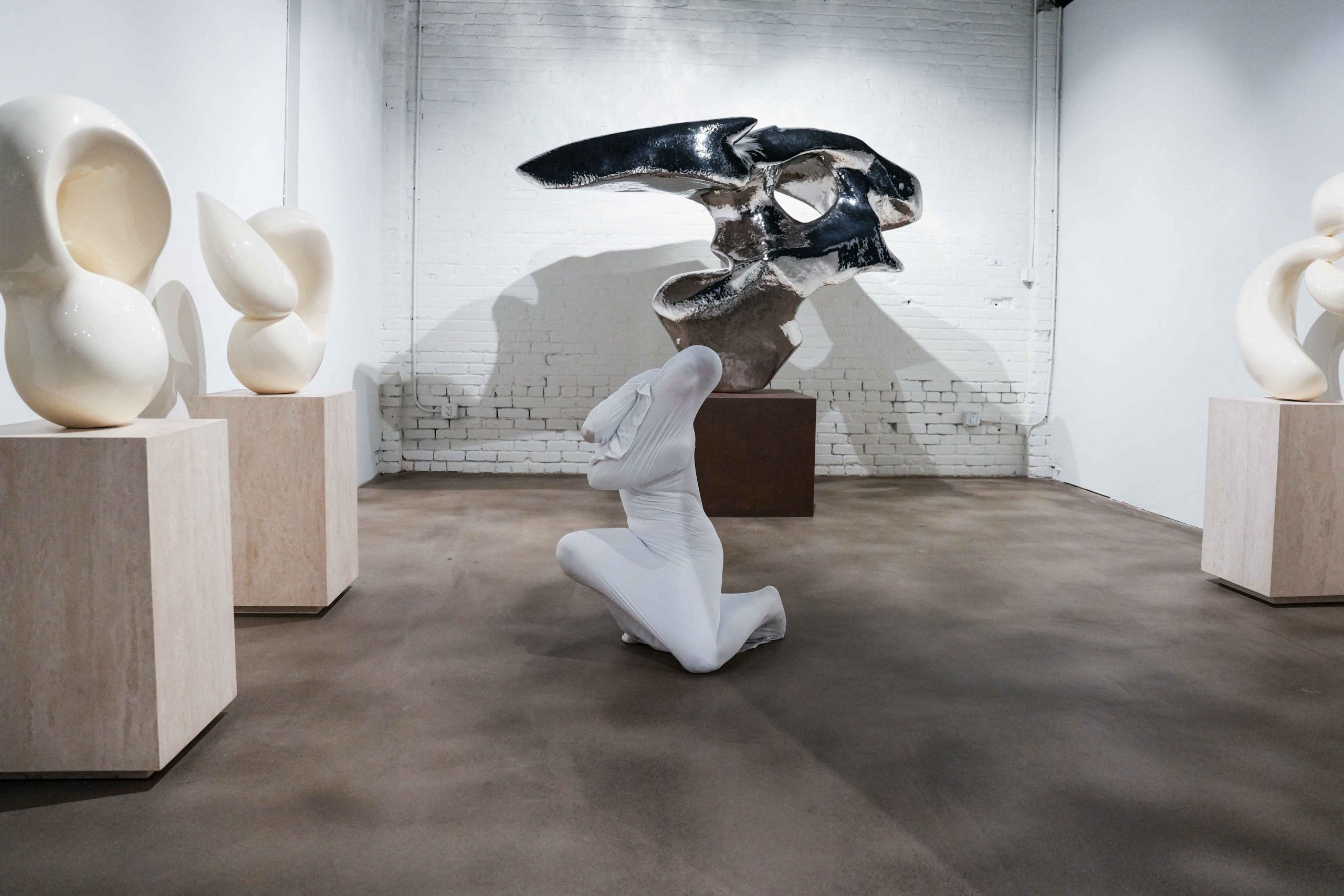



CHARLESTON, SC – In the quiet, sun-drenched halls of the Riverside Gallery, the air doesn’t smell like a clinical waiting room. Instead, it carries the faint, earthy scent of linseed oil and fresh watercolor paper. Here, a groundbreaking new program is proving that for those recovering from trauma and chronic illness, a paintbrush might be just as vital as a prescription.
The “Art for Healing” initiative, which launched earlier this year across a network of ten coastal galleries, is moving art out of the realm of “decoration” and into the front lines of mental health and physical recovery.
The science of serenity
While the idea of “art therapy” isn’t new, the scale and scientific backing of this local movement are. Recent studies from the University of South Carolina have shown that just 45 minutes of creative activity significantly lowers cortisol levels—the body’s primary stress hormone—regardless of the person’s artistic “skill” level.
“When a survivor of trauma picks up a piece of charcoal, they aren’t just drawing; they are externalizing an emotion that words can’t reach,” says Dr. Elena Vance, a clinical psychologist and co-founder of the program. “In a gallery setting, surrounded by beauty and silence, the brain shifts from a ‘fight or flight’ state into a ‘flow’ state. That is where true healing begins.”
From patients to painters
One of the program’s most vocal supporters is Thomas Miller, a retired firefighter who struggled with PTSD for years. “For a long time, my world felt like it was only black and white,” Miller said, standing in front of a sprawling, vibrant abstract canvas he titled The First Sunrise. “Coming here taught me how to look for color again. I’m not ‘fixing’ my past; I’m painting a new future over the top of it.”
The galleries don’t just offer classes; they provide “Open Studio” hours where participants can work in total anonymity, free from the pressure of critique. For many, the gallery has become a secular sanctuary—a place to process grief, celebrate recovery, or simply exist in a space that celebrates human resilience.
A community canvas
The success of “Art for Healing” has sparked a ripple effect through the local economy. Several downtown businesses have begun sponsoring “Healing Walls”—public murals where residents can contribute a single tile or brushstroke to a collective work of art.
“It’s about reclaiming our spaces,” says Gallery Director Sarah Chen. “Art reminds us that even when something is broken—like a piece of mosaic glass—it can be rearranged into something even more beautiful than it was before.”
As the program expands into local hospitals and veteran centers this fall, the message to the community is clear: you don’t need to be an artist to find peace in a gallery. You just need to be willing to pick up the brush.