

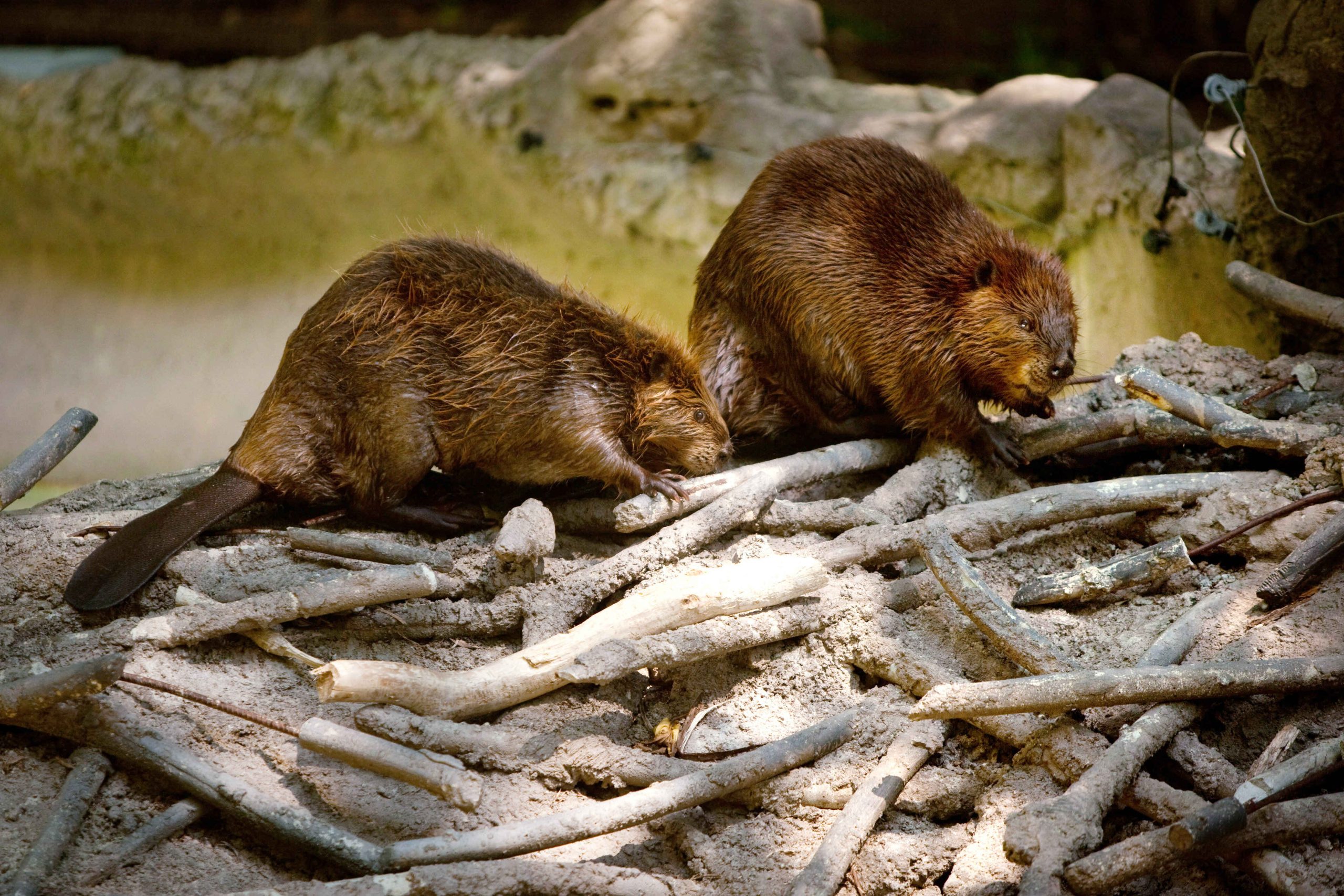




BOZEMAN, MT — In the high-stakes battle against global warming, the world’s most advanced laboratories are often outshone by a creature that has been quietly working in the mud for millennia. According to a groundbreaking study published today in Communications Earth & Environment, the American beaver (Castor canadensis) has been officially upgraded from a “nuisance” to a “climate hero.”
The research, conducted over five years across the river basins of the American West, reveals that beaver dams are far more than just bundles of sticks; they are sophisticated, carbon-trapping machines that offer a low-cost, high-impact solution to some of the most pressing environmental challenges of the 21st century.
The carbon sink beneath the surface
The core of the study’s findings lies in what happens behind the dam. When beavers obstruct a stream, they create expansive wetlands and ponds. These still waters allow sediment and organic matter—leaves, wood, and aquatic plants—to settle at the bottom. In a fast-moving stream, this organic material would wash away and eventually decompose, releasing carbon dioxide or methane into the atmosphere.
However, in the oxygen-poor environment of a beaver pond’s floor, that carbon is buried and preserved. Researchers have found that these “beaver-engineered” wetlands can sequester significantly more carbon per square meter than the surrounding dry forests.
“We used to view beavers as a minor part of the ecosystem,” said Dr. Helena Vance, the study’s lead author and a professor of hydrology. “But when you look at the sheer scale of the carbon they are locking underground, they are effectively turning thousands of miles of American waterways into massive, natural carbon sinks.”
Drought defense and wildfire buffers
Beyond carbon sequestration, the study highlights how beavers are helping the U.S. adapt to the increasingly volatile weather patterns caused by climate change. In the American West, where “megadroughts” have become a recurring threat, beaver ponds act as natural reservoirs. They hold water on the landscape longer, recharging groundwater and keeping streams flowing even during the hottest summer months.
Perhaps most visually striking is the role beavers play in wildfire prevention. Satellite imagery analyzed in the report shows that during recent record-breaking fire seasons, “beaver-modified” areas remained vibrant green oases amidst charred landscapes. The saturated soil and lush vegetation created by the dams act as natural firebreaks, providing critical refuges for local wildlife when the surrounding forest is ablaze.
The “beaver believer” movement
The success of the study has energized a growing movement of “Beaver Believers”—landowners, ranchers, and conservationists who are actively working to reintroduce the animals to degraded lands.
In California and Idaho, some ranchers who once trapped beavers to prevent flooded pastures are now installing “Beaver Dam Analogues” (BDAs)—man-made structures designed to mimic the effects of a real dam and encourage beavers to move in.
“We’ve seen the water table rise by three feet in just two seasons,” said Marcus Thorne, a rancher in Eastern Oregon who participated in the study. “The grass is greener, the cattle are healthier, and we’re doing our part for the planet without spending millions on heavy machinery. The beavers do the work for free; they just need a little space.”
A shift in policy
The implications of the study are already reaching the halls of government. Federal agencies are reportedly reviewing land management policies to prioritize beaver conservation as a “Nature-Based Solution” for climate resilience. Instead of spending taxpayer dollars on expensive concrete flood-control systems, many experts argue that investing in beaver reintroduction could provide superior results at a fraction of the cost.
However, the “beaver revolution” isn’t without its challenges. In suburban areas, beaver activity can lead to flooded basements and downed ornamental trees. The study emphasizes the need for “coexistence strategies,” such as pond levelers—pipes that allow water to bypass a dam to prevent flooding while still keeping the pond intact.
Looking Forward
As the United States seeks to meet its ambitious net-zero carbon goals, the humble beaver represents a bridge between traditional conservation and modern climate science. By simply allowing these rodents to do what they do best—build, chew, and flood—we may be unlocking one of the most effective tools we have to stabilize our changing world.
“We spent a century trying to tidy up our rivers and remove these animals,” Dr. Vance concluded. “It turns out, the mess they make is exactly what the planet needs to heal.”