
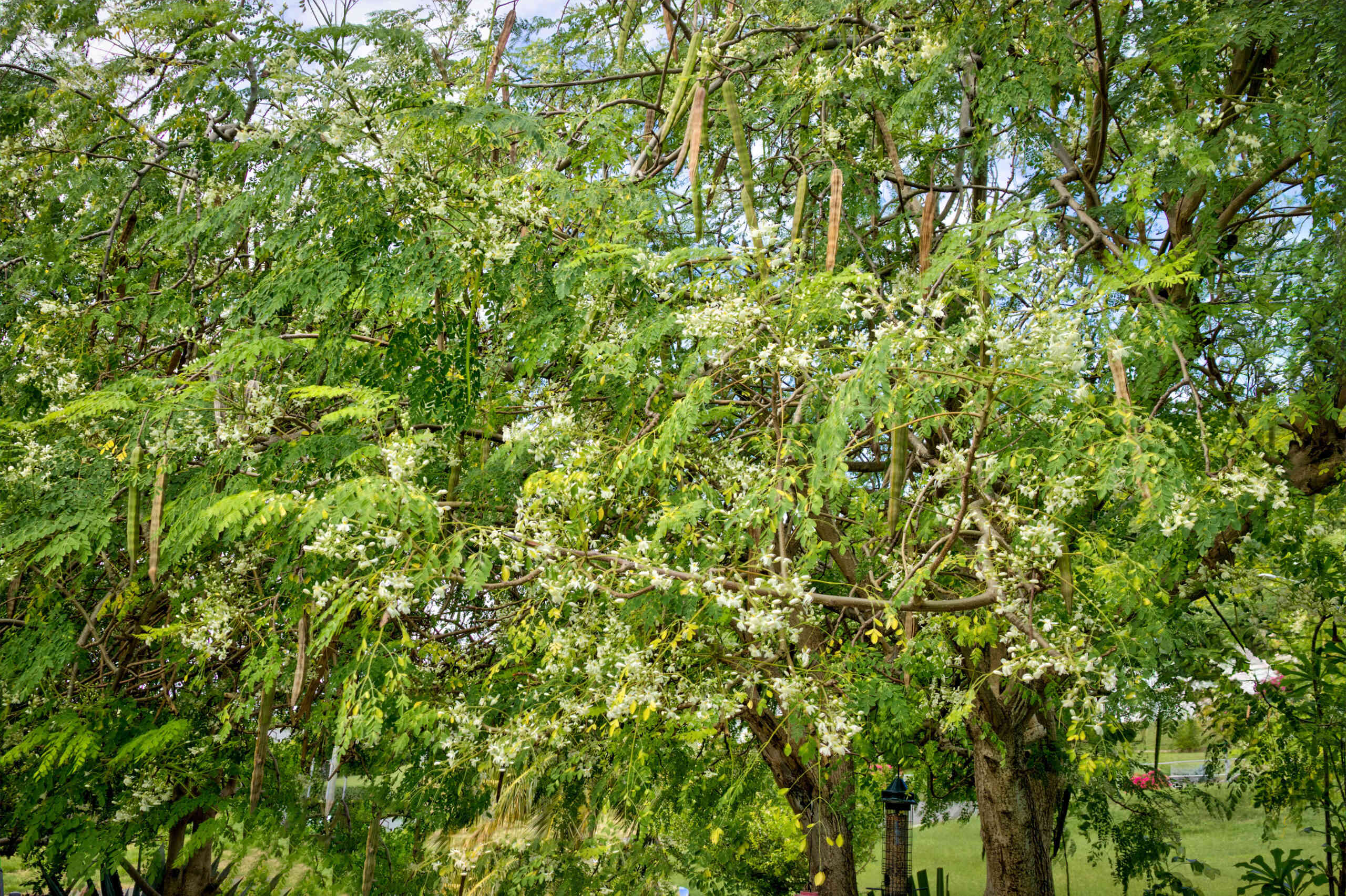




As the sun rises over the municipal water treatment facility in Scottsdale, Arizona, a quiet revolution is brewing in the settling tanks. There are no heavy chemical scents or loud industrial scrubbers. Instead, there is the faint, earthy aroma of crushed seeds. These seeds belong to the Moringa oleifera, a plant native to the foothills of the Himalayas, now being hailed as a “miracle tree” that could fundamentally change how the United States secures its clean water future.
For decades, American water infrastructure has relied on synthetic coagulants like aluminum sulfate to clarify drinking water. While effective, these chemicals leave behind a sludge that is difficult to dispose of and have raised long-term health concerns. Enter the Moringa tree. This week, a landmark study published by a coalition of researchers from the University of Arizona and MIT has confirmed that the proteins found in Moringa seeds are not just a “natural alternative”—they are arguably superior.
The study, which concluded a three-year pilot program, revealed that crushed Moringa seeds can remove up to 98% of microplastics and 95% of harmful bacteria from raw water. For a nation currently grappling with the “forever chemical” crisis of PFAS and the pervasive spread of microplastics in the Great Lakes and Western reservoirs, the discovery feels like a gift from the natural world.
“We have been looking for a ‘silver bullet’ for microplastic filtration for a decade,” says Dr. Elena Rodriguez, the lead environmental engineer on the project. “We found it in a tree that grows in sandy soil and requires almost no water. The protein in these seeds acts like a molecular magnet. It binds to pollutants, heavy metals, and plastic fibers, causing them to clump together and sink to the bottom. What’s left is water that is nearly surgical-grade in its purity.”
The implications for rural America are particularly profound. In many Appalachian and Southern communities, aging infrastructure and the high cost of chemical treatments have left residents with substandard tap water. Because Moringa trees can be grown in various U.S. climates—from the humid South to the arid Southwest—the “Miracle Tree” offers a decentralized, low-cost solution.
In the small town of Crystal Springs, Mississippi, mayor Thomas Arrington is already looking at how to integrate Moringa filtration into the local grid. “Our current budget is squeezed by the rising cost of imported chemicals,” Arrington notes. “If we can grow our own filtration system in a greenhouse or a local grove, we aren’t just cleaning our water; we’re creating a local industry. It’s about self-reliance.”
The motivational aspect of this breakthrough extends beyond the laboratory. The Moringa tree has long been a symbol of resilience in global health circles. Its leaves are packed with more protein than eggs and more vitamin C than oranges, earning it the nickname “The Tree of Life” in parts of Africa and Asia. Seeing this ancient wisdom applied to high-tech American environmental challenges represents a shift in how modern science views traditional knowledge.
However, the path to nationwide adoption isn’t without hurdles. Federal regulations from the EPA require rigorous testing before organic coagulants can replace traditional methods on a mass scale. There is also the logistical challenge of scaling up seed production to meet the demands of cities like Chicago or Los Angeles.
Yet, the momentum is undeniable. Private startups in Silicon Valley are already vying for patents on Moringa-based “bio-filters” for home use, and non-profits are distributing seeds to community gardens in “water-stressed” ZIP codes. The project has sparked a rare moment of bipartisan optimism, with lawmakers seeing it as a way to modernize the American Water Infrastructure Act without relying on expensive, foreign-made synthetic materials.
As the Scottsdale facility begins its next phase, the “Miracle Tree” stands as a testament to human ingenuity—and a reminder that sometimes, the most sophisticated technology is the kind that grows from the ground. In an era often defined by environmental anxiety, the Moringa seed offers a rare, tangible reason to hope. It is a story of a tiny seed tackling a massive problem, proving that nature still has a few secrets left to share in our quest for a cleaner, healthier America.
For the residents of the Southwest, who have watched their reservoirs shrink and their water quality fluctuate, the arrival of the Moringa tree isn’t just a scientific curiosity. It is a lifeline. As Dr. Rodriguez puts it, “We aren’t just filtering water; we are restoring the public’s trust in the tap.”