




Booking a magical glimpse inside Etnia Nativa is easy
Article by Etnia Nativa call us 592 2702 and book your experience!
This astonishing story begins along the shores of the Mediterranean in 1762 and finds its redemption on the quiet island of Aruba in 1765. It is a story not only of suffering, but of mercy — not only of bondage, but of freedom born from compassion.
In 1763, Miguel Alvarez, a legacy of the Spanish era and Fiscal of Noord, traveled regularly between the islands and the South American mainland. A native Aruban of Indigenous descent that had adopted a Spanish name and embraced the Catholic faith, he was known as a man of conviction and quiet strength.
During one of his many voyages to Willemstad Curaçao, as he was approaching the slave market, his attention was drawn to a man in visibly poor health. The marketplace was filled with noise — traders bargaining, native captives in chains, ships freshly docked from distant shores. Yet amidst the chaos of the market, this one figure stood out. Weak, wounded, and exhausted, the man seemed unlikely to survive the brutal conditions of sale and transport.
Deeply moved, Alvarez approached the slave master. Convinced the man would soon perish and seeing little value in him, the trader agreed to release the captive in exchange for a few ounces of gold. But Miguel Alvarez was not buying a slave. He was purchasing a man’s freedom.
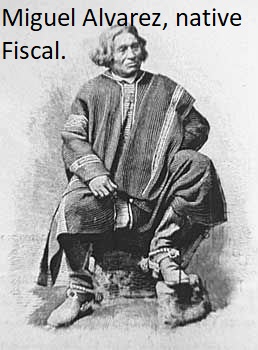
The Fiscal brought the weakened stranger to the home of a trusted friend in town, where he was cared for tenderly until he regained enough strength to travel. When they finally sailed to Aruba and arrived in Noord, Alvarez gathered the townspeople and made his intentions clear.
“I have not bought a slave,” he told them all- “But I have freed a man of faith”.
He explained that what had pierced his heart was not merely the man’s suffering, but the moment he saw him, even in chains, make the sign of the Holy Cross in the same manner practiced by himself as a devoted Catholic. In that simple gesture, Alvarez recognized shared faith — and shared humanity. The man’s name was Crisostomo.
As an adult, he married a woman named Elena Petronilla. For fourteen years they lived peacefully in their homeland. They were blessed with five children, though heartbreak followed them — four died in early childhood. Only one son, Anastacio, survived. Then tragedy struck.
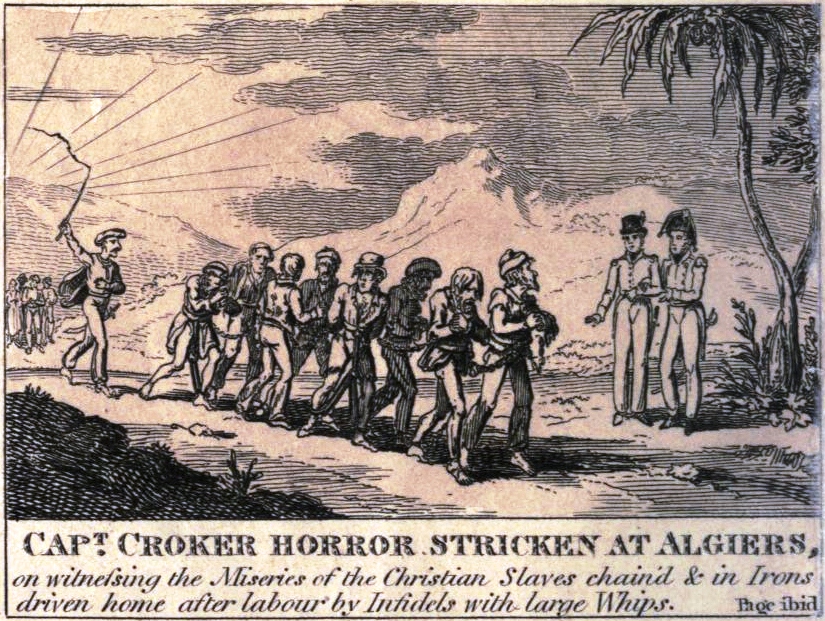
One terrible day, slave traders raided their small town. Homes were destroyed. Families were torn apart. Crisostomo would later recall the horror through tears:
“They treated us worse than animals. Women and children were separated from the men. There were more than two hundred captives. Merchants marched beside us with hundreds of camels. Many died during the long journey.”
At dusk, they reached the outskirts of the port city of Oran. There, they were forced onto a crowded ship bound for the New World. The crossing was merciless. Disease, hunger, and despair claimed many lives before land was ever sighted. Crisostomo eventually arrived in Curaçao — alone.
Years passed before a glimmer of hope emerged. His story reached a Catholic priest living in Caracas, Father Pedro Ramírez, who occasionally visited Aruba. Since this priest understood some French, he was able to trace information about Crisostomo’s missing family.
The following year, a letter arrived with astonishing news: Anastacio had been found alive in Caracas. A priest had purchased the boy’s freedom and sheltered him in a monastery. Arrangements were made for him to sail to Aruba.
The reunion of father and son in Noord was nothing short of miraculous. Yet the story was not finished.
About a year later, a ship traveling from Maracaibo to the Dominican Republic ran aground along Aruba’s southwestern coast, an area that today is lined with high-rise hotels and crowded with tourists. As was their custom, the people of Noord hurried to assist the stranded passengers.
Among them was a Colombian gentleman, Mr. Morales, traveling with his family and two servants. All were brought safely to Noord for shelter.
One of the servants was a woman named Elena Petronilla, Crisostomo’s wife and Anastacio’s mother.
Against every cruelty of fate — against slavery, separation, oceans, and years of grief — the family stood reunited on Aruban soil.
Story thoughtfully compiled and written by Etnia Nativa.
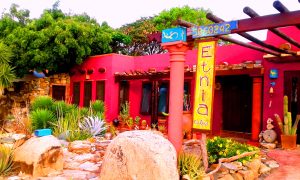
Etnia Nativa is a portal into the living heart of Aruba’s ancestral story. Nestled near the island’s high-rise hotel district, its understated presence is part of its allure—a hidden sanctuary where heritage breathes quietly, away from the rush of mainstream tourism.
To discover Etnia Nativa is to experience a rare encounter with the Aruba’s authentic identity. Visits are by appointment only. WhatsApp +297 592 2702 etnianativa03@gmail.com