



Etnia Nativa:Yourpeek into Nativemagic, healing the spirit.
Article by Etnia Nativa call us 592 2702 and book your experience!
Through this cultural column, Island Insight, Etnia Nativa invites readers to discover Aruba from a different perspective by exploring the island’s rich intangible cultural heritage—the traditions, knowledge, and practices passed down from generation to generation. This edition looks back at how tourism began on our island, and how the arrival of the Trade Wind in 1955 marked the beginning of a new chapter in Aruba’s economic history.
In the mid-1950s, Aruba faced a serious economic challenge. The island was heavily dependent on the Lago Aruba Refinery, but automation led to mass layoffs and rising unemployment.
Seeking a more stable economic future, the government turned to tourism. Caribbean tourism had been growing since 1950, and plans were made to welcome cruise ships at Paardenbaai (Horses’ Bay) in Oranjestad.
Then, in February 1955, the Trade Wind arrived, becoming the first cruise ship of Aruba’s new tourism era.
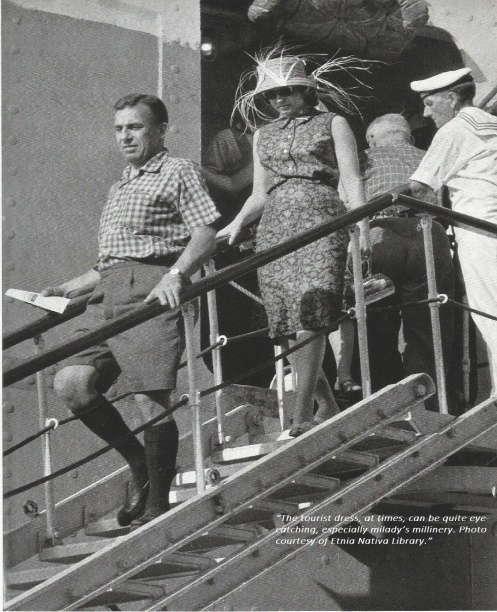
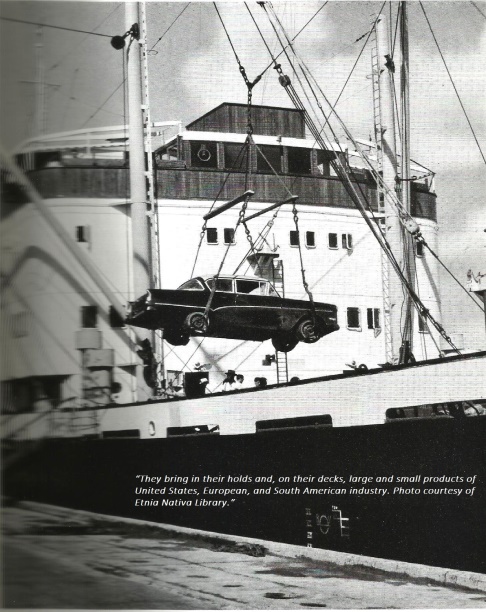
Its arrival was celebrated with festivities and a special welcoming committee of young Aruban women dressed in elegant gowns. Crowds and cars filled the harbor, creating traffic jams as locals gathered to see the visitors.
The arrival of the Trade Wind opened the door to a new era for Aruba — one increasingly driven by tourism.
As Grace Line cargo ships had called at Aruba in the early 1950s, the company later began sending its luxury cruise ships to Horses’ Bay, and other shipping lines soon followed.
During the cruise season, some of the largest tourist vessels in the Caribbean began anchoring in Aruba’s harbor.
The numbers told the story. In 1956, 3,002 foreigners visited Aruba; by 1960, that number had risen to 13,125. Hotel overnight stays increased just as dramatically, from 31,936 to 94,607. Aruba was attracting visitors faster than its hotels could accommodate them.
Recognizing the opportunity,Ch. J. Neme, who had previously built the Strand Hotel, opened the Basi Ruti Hotel in Palm Beach in February 1957.
But Aruba’s tourism ambitions were about to grow even larger.
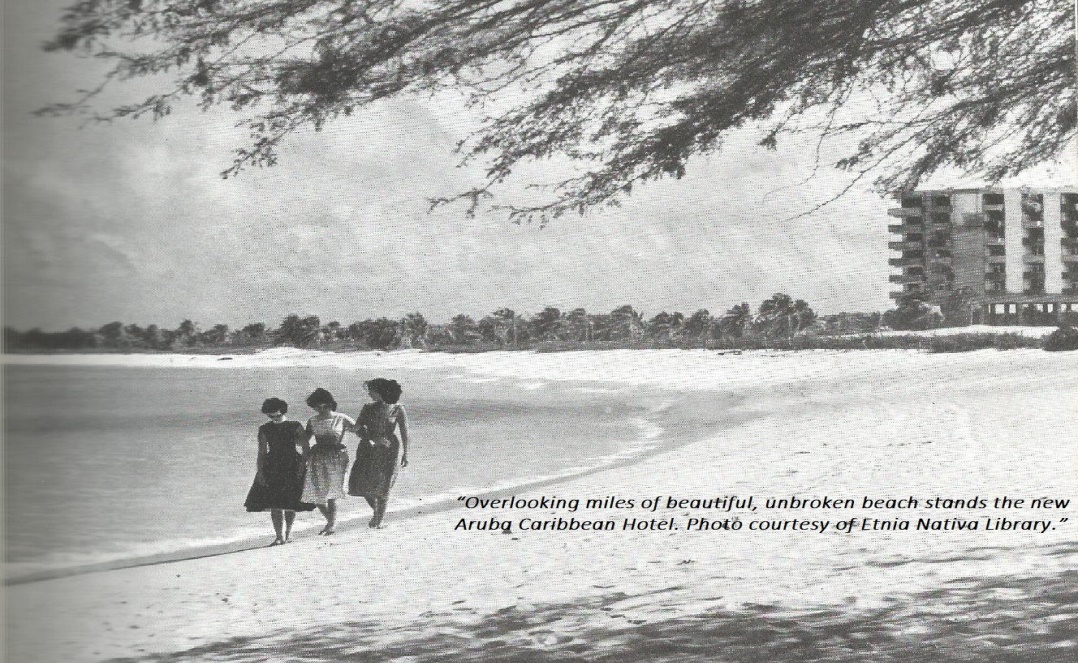
The construction of Aruba’s first high-rise hotel in Palm Beach, the Aruba Caribbean Hotel and Casino, signaled that the island was ready to welcome not only ordinary vacationers but also the rich and famous.
The project was expected to create a major new source of income for Aruba and strengthen the island’s position as a Caribbean tourist destination.
To finance the ambitious hotel, Aruven Company Inc. was established, with the island government as its largest shareholder. In Venezuela, the Venaruba Company Inc. was created to raise funds, while banks, companies and members of the business community also became shareholders.The investment was substantial.
The Aruban Caribbean Hotel and Casino cost approximately 8 million Antillean guilders to build and officially opened in July 1958.
But building a luxury hotel was only part of the transformation. Aruba also needed to make Palm Beach more accessible.
Until then, Palm Beach could be reached only by secondary roads. A new boulevard was constructed to connect the area with Oranjestad and the airport. It opened on May 1, 1958, making the coastal resort far easier to reach.
Palm Beach was no longer a remote stretch of coastline. As the resort area continued to develop, Aruba’s tourism landscape gained another distinctive landmark.
In 1961, the quaint restaurant “De Olde Molen” was established at Palm Beach: a genuine windmill purchased in the Netherlands and transported across the ocean to Aruba.
It was an unusual sight in the Caribbean, but perhaps an appropriate symbol of the island’s transformation—something old, brought from afar and given a new life in Aruba.
Within just a few years, Aruba had moved from an economy heavily dependent on oil toward one increasingly shaped by tourism and a new Aruba was starting.
The arrival of the Trade Wind, the growth of cruise traffic, the construction of hotels, the development of Palm Beach and the opening of new attractions all formed pieces of the same story.
What began as a response to unemployment created by industrial automation became something much larger.
Aruba discovered that its greatest new economic asset was not beneath the ground, but above it — its beaches, its sunshine, its hospitality and its ability to welcome the world.
And it all began with a ship entering Paardenbaai in February 1955.
Don’t just visit Aruba—discover its soul. Reserve your mystical cultural experience with Etnia Nativa today and immerse yourself in the island’s ancestral heritage before your trip ends.
Book your visit today:WhatsApp+297 592 2702 etnianativa03@gmail.com