




Etnia Nativa is: Mistically magic, apeace the spririt,art and redestination of mather
Article by Etnia Nativa call us 592 2702 and book your experience!
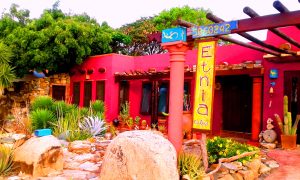
Etnia Nativa explores Aruba’s indigenous heritage and the ancestral wisdom of its earliest inhabitants—knowledge of survival, medicinal plants, practical craftsmanship, celestial navigation, and the reading of weather patterns. Preserved across generations, these traditions continue to shape Aruba’s cultural identity and affirm the enduring bond between the island, its people, and the land.
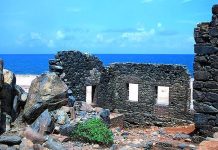
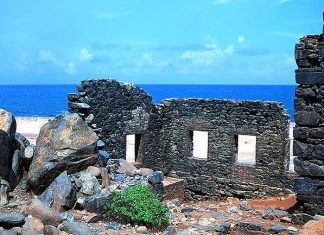
On this occasion, the focus turns to a lesser-known chapter of the island’s history: a more contemporary and worldly moment—the story of gold, the promise it held in the New World, and the profound transformation it set in motion.
More than five centuries ago, when the Spaniards first anchored along Aruba’s southern shores, the island’s people received them in peace and traded with sincerity. The area now colloquially known as Playa—derived from the word meaning “beach”—refer to a stretch of white sand nestled between rocky shores and mangroves.
This site served as a disembarkation point for horses and encompassed what is known today as Horses Bay, or Paardenbaai. At the time, the landscape was entirely different: a broad beach bordered a salt lake, while small freshwater streams and springs flowed near villages along the banks of the lagoon known as di rooi Manonchi.
The bay was considered a safe harbor for unloading livestock. Horses were brought ashore by swimming them to the beach, guided by the Caquetíos, renowned for their exceptional skill with animals. One person would stand on shore holding a lead, while mounted riders directed the swimming herd toward land.
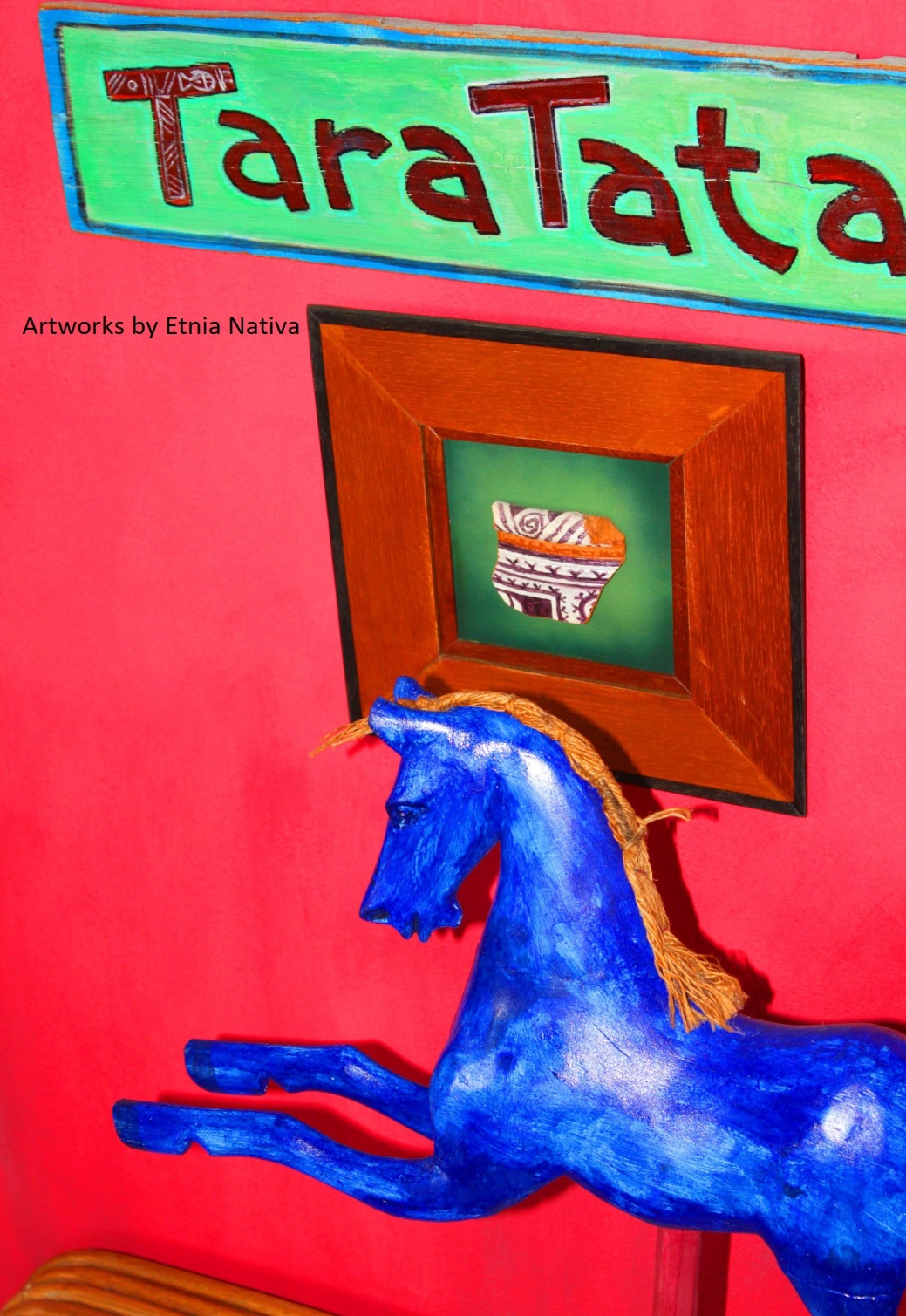
This place was known to the natives as Taratata, a name the Caquetío said meant “place of arrival.” Life here followed a tranquil, rhythm-of-the-land existence—one that would change abruptly with the discovery of gold. The find was made by a Dutch mestizo sheep herder named Willem Rasmijn, and its impact was immediate. Trade and activity surged almost overnight.
As word of Aruba’s gold spread, it attracted not only traders but also freebooters, pirates, and buccaneers. Strange ships began appearing on the horizon. One did not have to be a corsair to seek fortune—anyone willing to try could stake a claim. As tensions rose, maintaining peace and order among the growing population became a pressing concern.
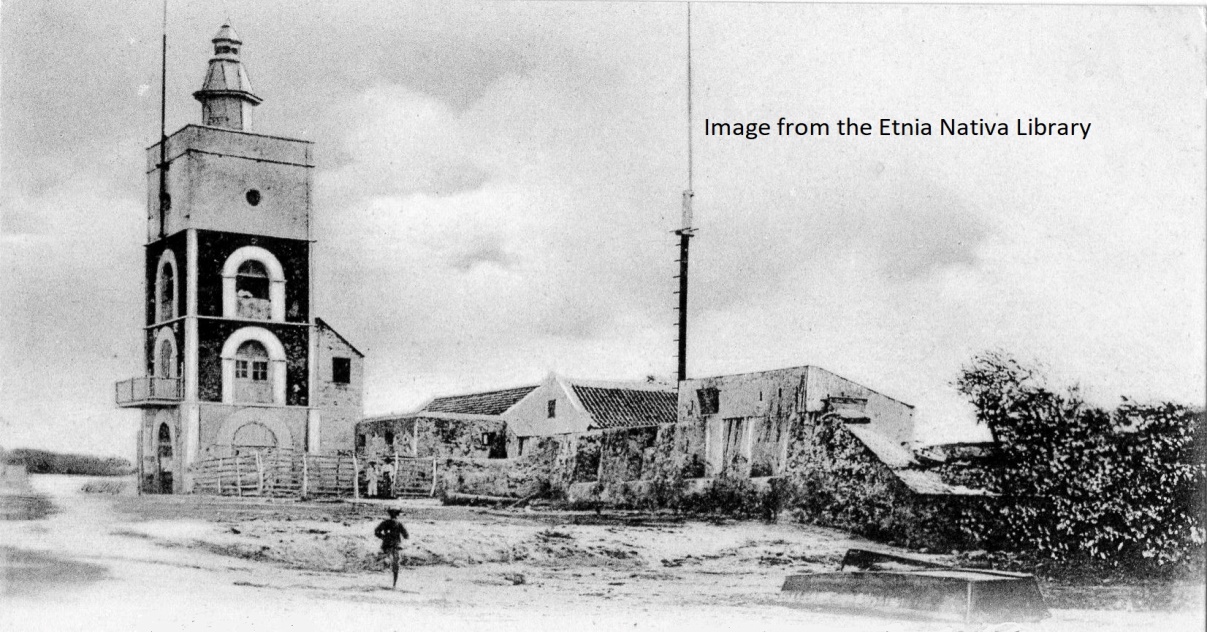
Governor Johan Rudolf Lauffer (1796–1803) recognized the need for defense. In 1797, the fort was constructed and four cannons were installed. From that moment on, the number of people settling around the bay steadily increased. As the area became safer, the seat of authority was moved from Ponton Hill, followed by the administrative offices. A new urban center began to emerge, and the commander established his headquarters there as well.
Oral tradition recounts that Commander Bruin Govertsz Quant (1805–1806) still resided at Ponton, and that his house was later destroyed by English invaders. Historical records from this period are often unclear; however, family stories passed down through generations tell us that around 1819, Commander Jan van der Biest III lived near what is now Windstraat.
At that time, the surrounding land was still mondi—a forest of enormous Prosopis juliflora, known locally as kwihi. These woodlands surrounded the town to the north and east, while barren limestone soil overgrown with weeds and cacti dominated the landscape. Along the west coast beaches, a strip of sea grape (Coccoloba uvifera) bordered the shore..
Elders from Aruba’s oldest families recall hearing that Van der Biest would sit beneath a kwihi tree in the evenings, playing and improvising melodies on his violin in front of his country house. It is a vivid image from Aruba’s age of repose: the commander in his garden, music drifting through the air, families nearby, and enslaved servants offering refreshments. The calm was only occasionally interrupted by a visitor arriving on horseback or donkey to pay respects.
Through stories such as these, Etnia Nativa reconnects us with the layers of history that shaped Aruba—where indigenous knowledge, colonial technology, and oral memory converge—reminding us that the past still lives in the land and in the stories passed from one generation to the next, carried forward by Arubans of native roots.
Step beyond the beaches and resorts to engage with the heart and soul of Aruba’s heritage visit Etnia Nativa, by appointment only: WhatsApp +297 592 2702 etnianativa03@gmail.com