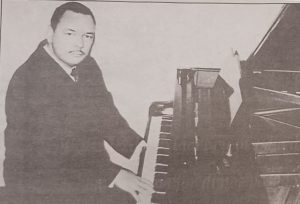






(Oranjestad)—In 1951, Rufo Wever and Padu Lampe decided to record a record with the intention of beginning to preserve and promote the typical rhythms and melodies of Aruba. This became a major contribution to preserving rhythms such as the waltz and the tumba.
In 1952, Lampe and Wever wanted to compose a song to express the love of our people for Aruba and to generate patriotic feelings among our citizens. In just one day, they produced the song that became “Aruba Dushi Tera.” In 1952, Aruba Dushi Tera consisted of only two verses. The first verse speaks about the values and character of Aruba; the second speaks about its nature and national symbols; and the last addresses the qualities of the people of Aruba. The song is written in the rhythm of a moderate waltz.
Thanks to “De Trupialen,” under the guidance of Frere Alexius, the song gained popularity, and in a short time it was even used during official government occasions. Eventually, Radio Kelkboom recorded and released a record of Aruba Dushi Tera, sung by De Trupialen and accompanied on piano by Padu Lampe.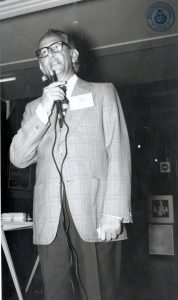
All of this took place within the context of the struggle of the Aruban people to establish their own identity and obtain greater political freedom. The Government of Aruba at that time decided that Aruba, in addition to its own coat of arms, should also have its own national anthem and national flag.
On February 25, 1976, a commission that evaluated whether Aruba Dushi Tera should be implemented as the national anthem delivered its recommendation, and on March 16, 1976, the Parliament of Aruba approved Aruba Dushi Tera as Aruba’s official national anthem. That year, one more verse was added to the anthem by Hubert Lio Booi.
On March 18, 1976, during the official proclamation of our anthem and flag, it was the first time that Aruba Dushi Tera was heard as our official anthem, giving a voice, a rhythm, and a melody to the identity of our island.