




Etnia Nativa: Your peek into Native magic, healing the spirit.
Article by Etnia Nativa call us 592 2702 and book your experience!
How Our Ancestors Learned to Live with Nature — and What We Can Learn from Them Today
Through this cultural space dedicated to reflection and discovery, Etnia Nativa invites readers to reconnect with Aruba’s intangible cultural heritage: the living traditions, ancestral wisdom, values, and stories passed down through generations.
In this new installment, we explore the delicate balance between knowledge and preservation, modernization and cultural identity. We look back at how our ancestors understood their surroundings, adapted to the challenges of island life, and cultivated a profound relationship with the natural environment.
Their experiences, observations, and resourcefulness offer valuable lessons that remain relevant today, reminding us that much of the wisdom we need for the future can be found in the knowledge of those who came before us. After all, Aruba’s greatest legacy is not merely what our ancestors built, but also what they knew.
Long before Aruba became an international tourist destination, generations of islanders had to understand the land, adapt to its dry climate, secure food, conserve water, make use of local plants, and find ways to live in harmony with their surroundings.
Their knowledge was not acquired from textbooks or modern technologies. It developed through observation, experience, necessity, and the continuous transmission of wisdom from one generation to the next.
Much of this knowledge deserves to be rediscovered, documented, and preserved. And through Etnia Nativa, we invite you to join us in exploring this remarkable cultural legacy.
Water: The Most Precious Treasure
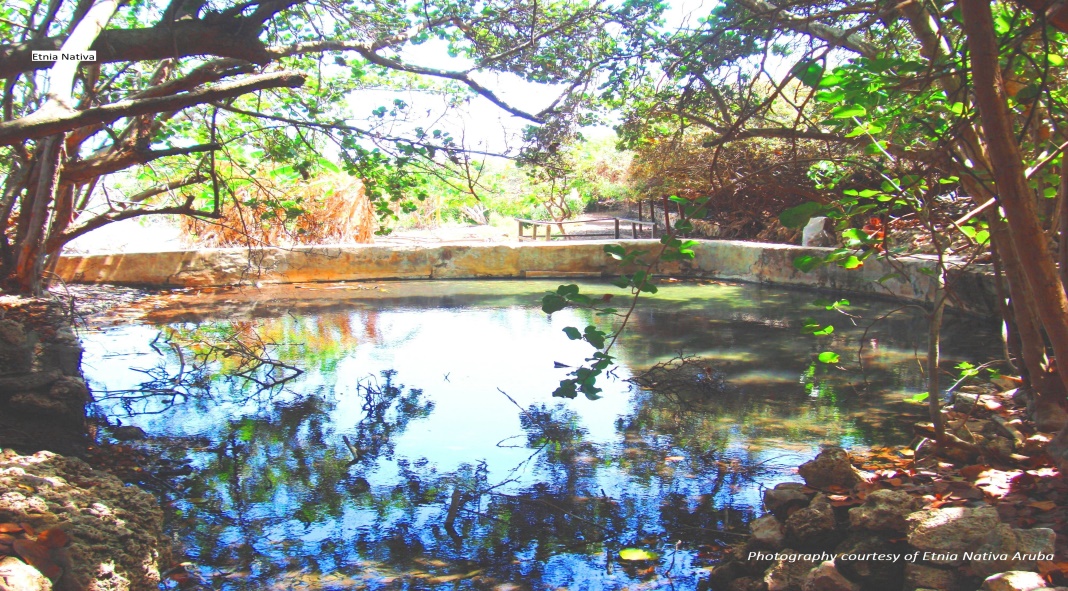
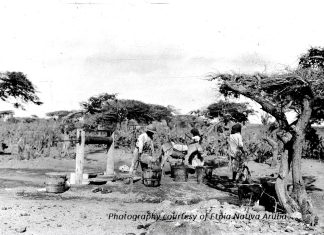
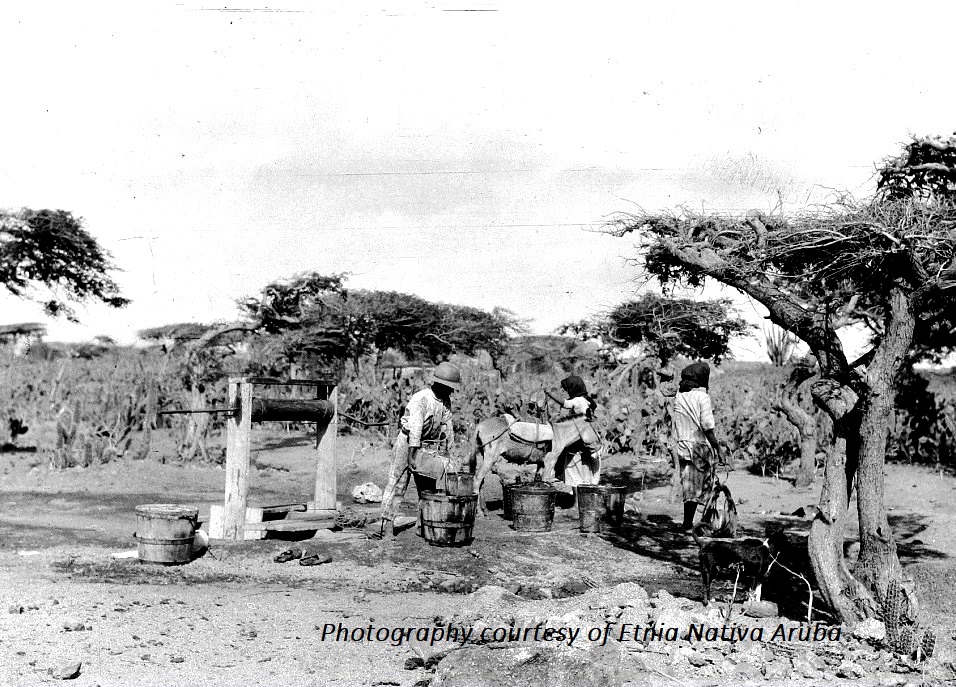
Aruba has a naturally dry climate. Rainfall is limited and unpredictable, making freshwater one of the island’s most precious resources. Yet, long before modern water infrastructure existed, the island’s early inhabitants developed ways to understand, capture, and make use of the rainwater available to them.
Historical and archaeological research describes how Caquetío communities managed water through natural drainage channels, irrigation ditches, and small dams, helping retain rainfall for agricultural purposes.
Without modern pumps, sophisticated irrigation systems, or today’s technology, these communities relied on their understanding of the landscape and its natural characteristics. They learned to work with the environment rather than against it, recognizing that every drop of water mattered.
Their experiences remind us that water conservation is not a new concern for Aruba. It has been an essential part of island life for generations.
At a time when sustainable water management is becoming increasingly important, perhaps we should ask ourselves: What can present-day Aruba learn from the water-management knowledge of its earliest inhabitants?
Sometimes, looking back can help us find better ways forward.
The Cunucu — More Than a Piece of Land, a Way of Life
Cunucu is a term deeply rooted in Aruban tradition and cultural identity. It represents far more than a piece of agricultural land. It reflects an entire way of life and a profound relationship between people, nature, animals, plants, food, and community.
Traditional Aruban rural landscapes were characterized by small agricultural plots, fruit trees providing both nourishment and shade, fences made from cacti and agaves, and stone walls known as transhi.
Families raised livestock, including goats and chickens, cultivated what the land could provide, and collected and stored rainwater whenever possible. Every element had a purpose, and resources were used with care, practicality, and an understanding of the island’s natural limitations.
The cunucu was a living example of adaptation and resourcefulness. It embodied the ability to make the most of what the island offered, even under challenging environmental conditions.
But the cunucu held another treasure: generations of traditional knowledge about the plants growing around us, their uses, and their place in everyday life.
Sometimes, the knowledge we need to protect our future is already there, waiting to be rediscovered in the memories, traditions, and wisdom of those who came before us.
Aruba’s heritage is not only found in archaeological sites, historical buildings, or museum collections. It also lives in the knowledge of its people, in the names of its plants, in the traditions of its cunucu, and in the stories that continue to connect generations.
At Etnia Nativa, we believe that understanding our past is an essential part of protecting our identity and shaping our future.
Join us in rediscovering the forgotten wisdom of our island — because the heritage we understand is the heritage we can preserve.
Discover Etnia Nativa through a personal cultural experience. Visits are available by appointment.
For reservations and inquiries: WhatsApp +297 592 2702 etnianativa03@gmail.com