



Etnia Nativa: Your peek into Native magic, healing the spirit.
Article by Etnia Nativa call us 592 2702 and book your experience!
Through this cultural space, Etnia Nativa invites you each week to discover the traditions, knowledge, and stories that keep Aruba’s heritage alive. Today, however, we pause with deep sorrow to extend our heartfelt condolences to the families who have tragically lost loved ones in UTV/ATV accidents on our island.
UTVs, lost lives, and fragile ecosystems: Aruba faces a question it can no longer ignore.
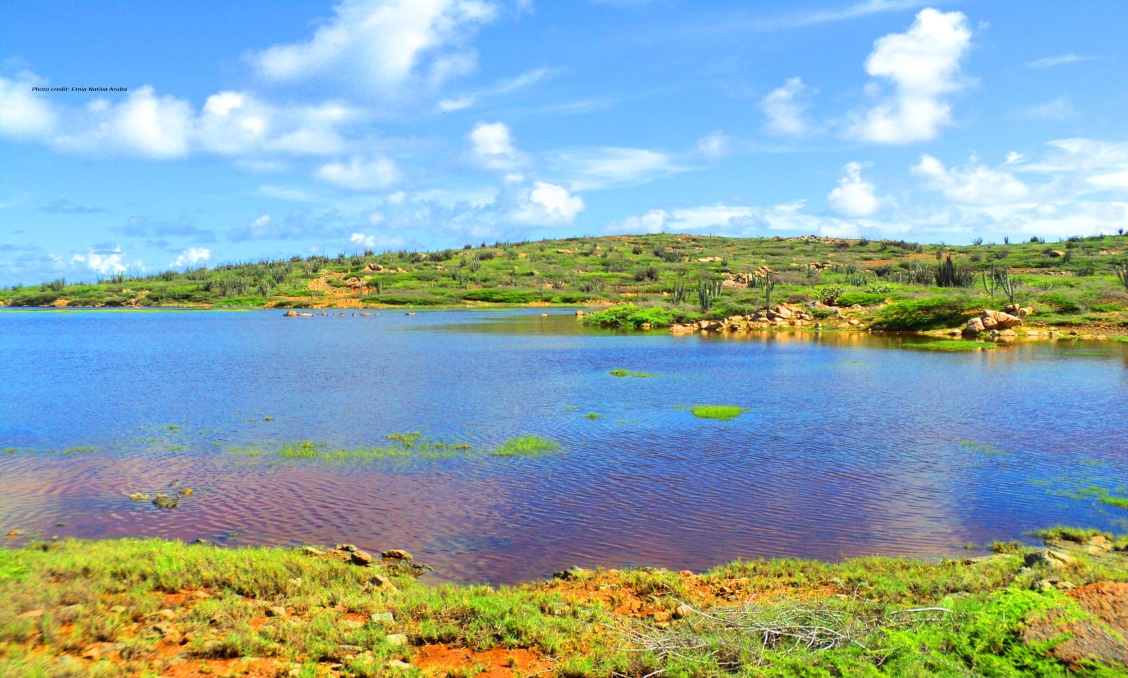
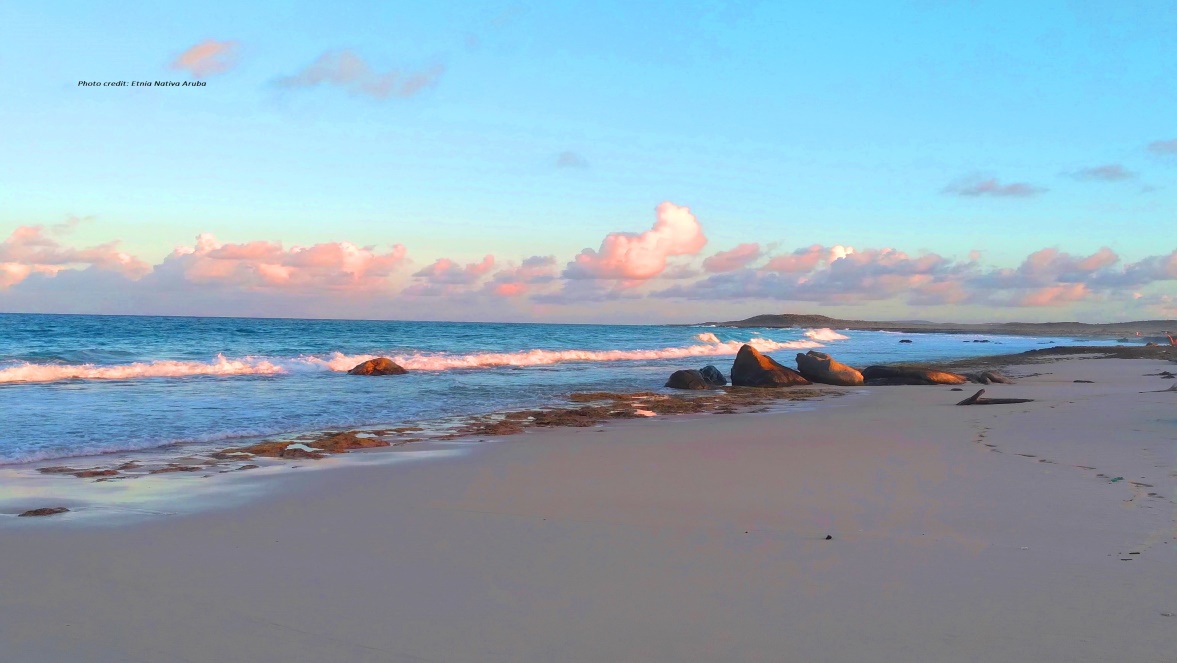
Beyond its white-sand beaches lies another Aruba: an island under growing pressure, where every natural space matters and where tourism-if not managed responsibly- can ultimately damage the very things that make the destination unique.
The controversy surrounding ATV and UTV tours goes far beyond a debate between operators and environmentalists. It concerns human lives, public safety, the environment, employment, and institutional responsibility.
The victims are not statistics. They are people who came to Aruba to enjoy and never returned home, or who returned with injuries that changed their lives forever.
The warning signs are there. In addition, one question remains unavoidable: How many warnings does it take before a known risk becomes unacceptable?
Protecting Aruba does not mean stopping tourism. It means asking what kind of tourism we want—and how much we are willing to risk or sacrifice to sustain it.
In 2022, the Government of Aruba created a commission to regulate UTVs and ATVs due to safety concerns and serious accidents. By 2024, concerns also included injuries, property damage, environmental harm, dust, noise, and traffic disruption.
Warnings, discussions, and regulatory proposals had already been underway for years. Yet the controversy persists.
And the damage goes beyond what is immediately visible.
A UTV does not need to destroy a tree to affect an ecosystem.
Aruba’s Biodiversity Strategy and Action Plan 2024–2030 identifies high-impact UTV and ATV tourism as a threat to terrestrial and marine ecosystems, citing impacts such as vegetation damage, habitat fragmentation, sediment runoff, wildlife disturbance, roadkill, and vehicle-related pollution.
The strategy proposes phasing out UTV and ATV activities by 2030: no new permits, no replacement of existing vehicles, and only three designated routes during the transition. After 2030, the activity is intended to be illegal in Aruba.
Actually, we must rethink what we mean by “adventure tourism.” If fatalities continue to occur while we acknowledge the environmental pressures associated with these activities, we have to ask where the appropriate limits lie. At the same time, we must not overlook the livelihoods of those who depend on this sector.
Behind every UTV or ATV excursion are workers and families who rely—directly or indirectly—on tourism. These families are not the enemies of conservation. The challenge is finding a balance between employment, tourism, public safety, and environmental protection.
Aruba has already recognized the need to address these concerns. The question now is whether our economic dependence on these activities has outpaced our capacity to regulate and oversee them effectively.
Ultimately, the debate should not be about assigning blame or framing the issue as a choice between “nature or jobs.” Instead, it should focus on whether our institutions have succeeded in translating policy decisions into clear regulations and ensuring that those regulations are consistently and effectively enforced.
Aruba needs to strike a balance that fosters employment and tourism while protecting its fragile environment—a balance underpinned by clear regulations, continuous oversight, and effective enforcement.
Beyond the cost of inaction, what is also at stake is public trust, tourist safety, Aruba’s reputation, and the preservation of areas that may be difficult, if not impossible, to restore. In the worst-case scenario, the cost can be measured in human lives.
Aruba faces a contradiction it can no longer ignore.
No one should celebrate the loss of another person’s livelihood. No one should downplay the loss of life. Moreover, no one should justify environmental damage simply because an activity generates jobs.
If the problem has been identified, regulations announced, and damage acknowledged, yet the conflict persists years later, the question becomes inevitable: What has been missing to prompt meaningful action?
Aruba’s nature has no voice. Ecosystems cannot vote. And those who lost their lives cannot tell us what went wrong.
We, the living, can ask. And Aruba deserves answers.
Article by “Etnia Nativa Aruba”: WhatsApp +297 592 2702 etnianativa03@gmail.com