




Etnia Nativa: Your peek into Native magic, healing the spirit.
Article by Etnia Nativa call us 592 2702 and book your experience!
Each week in this cultural space, Etnia Nativa—one of Aruba’s leading guardians of the island’s cultural heritage—invites readers on a journey through the history, identity, and living traditions that have shaped the Aruban spirit across generations.
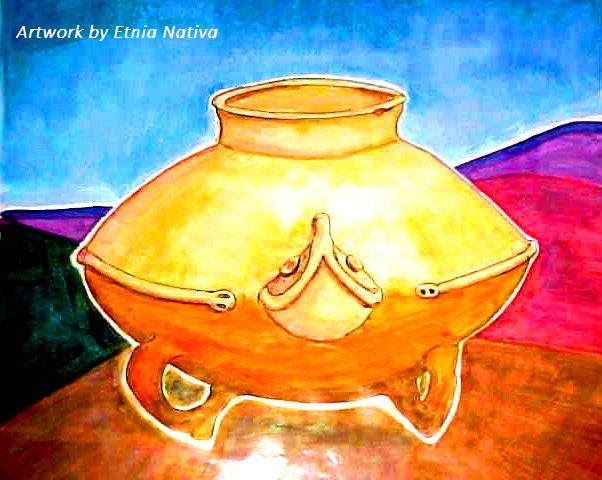
In this latest edition, Etnia Nativa explores the remarkable stories preserved within ancient works of art. A painted image on stone, a carefully carved petroglyph, or a beautifully crafted ceramic vessel is far more than an artistic creation; each is a lasting testament to the people who made it. These enduring artifacts offer invaluable insights into the beliefs, customs, daily lives, and cultural legacy of past civilizations, allowing us to better understand the human experience across time.
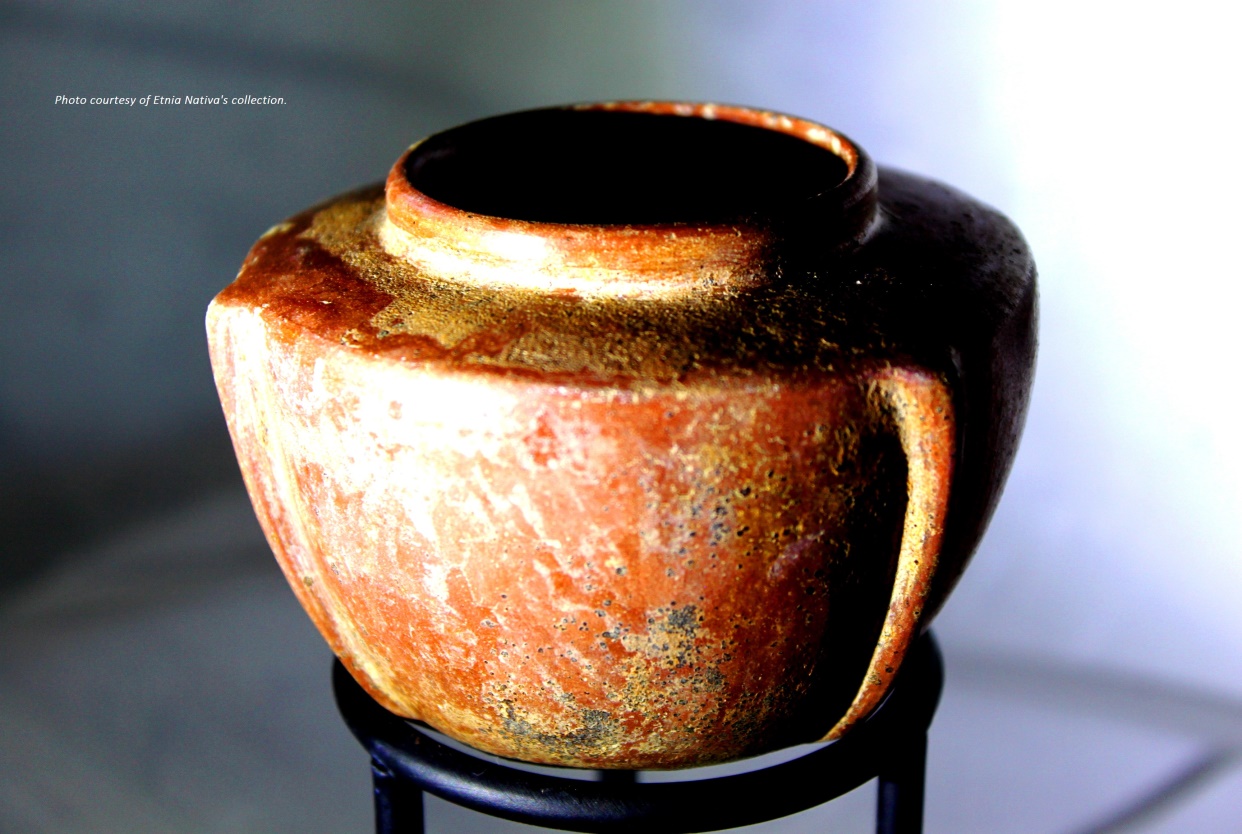
At the heart of this exploration is the archaeology of art—an interdisciplinary field that brings together archaeology and art history to uncover how people lived, expressed themselves, and understood the world across time. Through these remarkable artifacts, the past comes to life, offering a deeper understanding of our shared human history.
For archaeology and anthropology, a work of art is far more than an aesthetic masterpiece. It is a cultural testament that preserves invaluable evidence about the society that created it. Through the careful study of ancient art, researchers uncover clues about religious beliefs, technological achievements, social organization, and the values that shaped everyday life.
Equally important is the context in which an object is discovered. A beautifully painted vessel unearthed in a burial site, for example, reveals far more than artistic skill. Its location can provide insights into a culture’s beliefs about death, the afterlife, and the social standing of the individual buried with it. Every artifact tells a richer and more meaningful story when interpreted within the context of its surroundings.
The materials used to create ancient art also speak volumes. Whether crafted from wood, stone, bone, clay, or natural pigments, these materials help archaeologists trace technological innovations, resource availability, and even ancient trade networks that connected distant communities. Likewise, studying the iconography—the symbols and imagery represented in artwork—offers profound insights into a civilization’s customs, spiritual beliefs, and worldview.
Our own native rock artists provide a remarkable example. These early creators were more than artists; they were likely mystical healers, herbal practitioners, and makers of natural pigments. Their ability to heal and communicate with the supernatural may have inspired both their creativity and their important role within their communities. They were undoubtedly heirs to the earliest surviving shamans who migrated across the Bering Land Bridge more than 30,000 years ago. In our native tradition, such individuals became known as “curanderos” or “curiosos” (see Island Insight, Episode 269).
Throughout history, art has played a central role in rituals and religious ceremonies. Temple carvings, ceremonial objects, burial offerings, and sacred effigies allow archaeologists to better understand how ancient peoples worshipped, honored their ancestors, and interacted with the spiritual world. At the same time, artistic styles and techniques help researchers establish the age of archaeological sites, as motifs and methods evolve through different historical periods.
Preserving these treasures presents another important challenge. Many ancient artworks are fragile and vulnerable to weathering and human activity. Today, archaeologists rely on advanced conservation techniques to stabilize and restore these irreplaceable objects. Modern digital technologies—including 3D modeling, laser scanning, and photogrammetry—allow researchers to document artworks with extraordinary precision, create detailed replicas for museum exhibitions, and conduct further analysis without risking damage to the originals.
The relationship between archaeology and art continues long after excavation. Every generation interprets ancient symbols, styles, and artistic techniques through the lens of its own cultural experiences. As our understanding evolves, so too does our appreciation of the creativity, resilience, and ingenuity of those who came before us.
Ultimately, archaeology in art reminds us that every ancient brushstroke, carving, and painted stone carries a story waiting to be discovered. By preserving and studying these artistic legacies, we not only uncover the history of past civilizations but also gain a deeper understanding of our shared human heritage.
For travelers who value authenticity over spectacle, meaningful experiences over photo opportunities, and cultural connection overcrowded attractions, Etnia Nativa offers something increasingly rare: a genuine encounter with the spirit of Aruba. Leave not only with memories and photographs, but with a deeper appreciation of the island, its people, and its enduring heritage.
Don’t just visit Aruba—experience its spirit, uncover its stories, and connect with its ancestral roots. Reserve your mystical cultural experience: WhatsApp: +297 592 2702 Email: etnianativa03@gmail.com