




Etnia Nativa: Your peek into Native magic, healing the spirit.
Article by Etnia Nativa call us 592 2702 and book your experience!
Each week in this cultural space, Etnia Nativa, one of Aruba’s foremost advocates for the preservation of the island’s heritage, invites readers to rediscover the history, identity, and living traditions that have shaped Aruba for generations.
In this week’s edition, Etnia Nativa raises an urgent concern: tourism should never redefine Aruba’s identity. When the island’s authentic place names are replaced or forgotten, Aruba risks losing an irreplaceable part of its cultural soul.
For centuries, Aruba’s beaches, bays, hills, and natural landmarks have carried names that preserve the stories of our ancestors. These names were never created for tourism brochures or marketing campaigns. They were born from our language, our history, our families, and the lived experiences of the Aruban people. Yet today, many of these traditional names are gradually being displaced by English labels designed to appeal to the tourism industry, placing at risk a cultural legacy that deserves to be protected for future generations.
This is not simply a matter of translation. It is a gradual erasure of indigenous cultural identity.
Every year, new maps, travel blogs, tour operators, and social media influencers introduce alternative names for places that already have authentic Aruban names. Visitors may never realize that they are walking through locations with centuries of local history because the original names have been pushed aside for labels considered easier to market.
The consequences extend far beyond language.
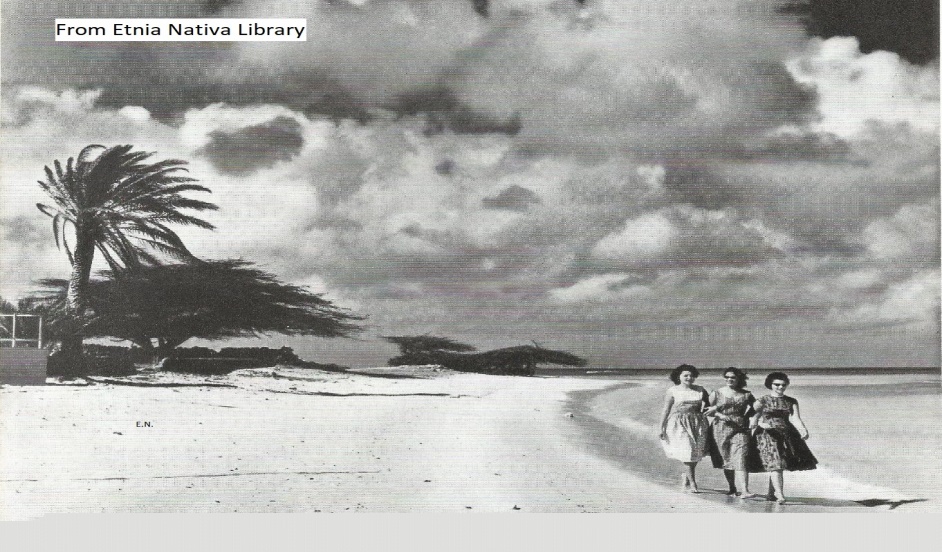
Mass tourism has brought economic opportunities, but it has also transformed the island in ways many residents no longer recognize. Beaches that were once quiet gathering places for local families are now crowded from sunrise to sunset. Hidden bays where fishermen once launched their boats have become stops on commercial tour routes. Natural areas are increasingly treated as attractions instead of fragile ecosystems deserving protection.
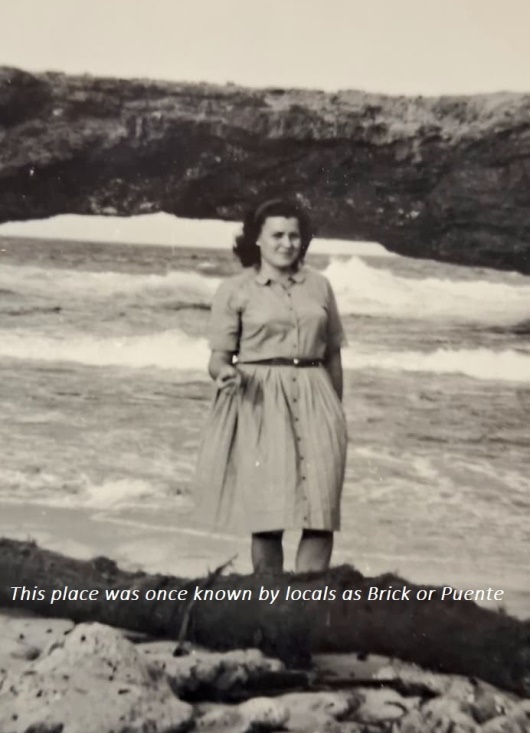
Along with this transformation comes a growing feeling that Aruba exists in two different realities. One is presented to visitors: a paradise carefully packaged for consumption. The other is lived every day by residents who witness traffic congestion, overcrowded beaches, rising living costs, environmental degradation, and the gradual disappearance of cultural traditions.
The renaming of places has become a powerful symbol of this divide.
When original names are replaced by labels such as “Eagle Beach”, “Rogers Beach” “Baby Beach,” “Blackstone Beach,” “Sea Glass Beach,” or “Bachelor Beach,” something meaningful is lost. These names may attract tourists or fit neatly into travel guides, but they often overshadow the local names that connect Arubans to their heritage.
A name carries memory. It preserves stories, geography, and identity. Removing those names weakens the connection between future generations and the island they call home.
The question is not whether tourists should visit Aruba. Tourism is an essential part of our economy and many families depend on it. The question is whether development should come at the expense of our cultural identity. Progress should never require the abandonment of our language, history, or heritage.
Protecting Aruba means more than preserving its beaches, coastline or ecosystem. It also means preserving the names, traditions, and stories that make those special places uniquely Aruban.
As visitors continue to discover our island, perhaps the greatest act of respect is to encourage them to learn the real names of the places they visit and the stories behind them—not the names invented for convenience or marketing.
If we allow our place names to disappear, we risk losing more than words on a map. We risk losing part of who we are as islanders.
The future of Aruba should not be measured solely by visitor numbers or hotel occupancy. It should also be measured by our ability to protect the culture, language, history, and identity that existed long before tourism arrived.
The island belongs not only to those who visit for a week, but to the generations who have called it home for centuries. Their stories deserve to remain written on the land—in the names of its beaches, its bays, its hills, and its coast—for generations yet to come.
Each week, Etnia Nativa invites readers to explore the history, identity, and living traditions that define the Aruban spirit.
This week’s reflection highlights an urgent truth: tourism should never redefine Aruba’s identity. When traditional place names are replaced for commercial appeal, the island loses part of its history, memory, and cultural soul.
Aruba is more than a destination—it is a living culture. Go beyond the beaches, discover the island’s authentic stories, and connect with its ancestral roots.
Reserve your mystical cultural experience with Etnia Nativa Aruba and discover the true spirit of Aruba. WhatsApp: +297 592 2702 Email: etnianativa03@gmail.com