
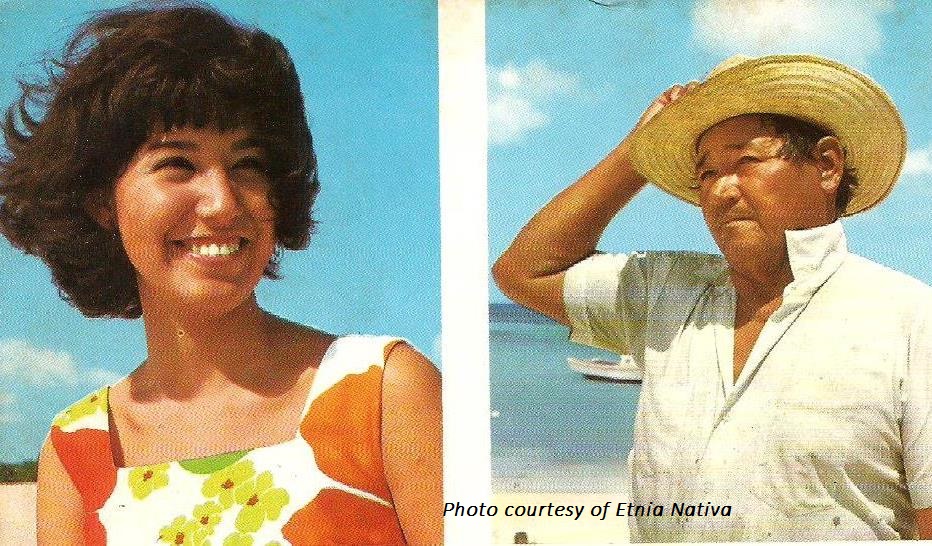




Etnia Nativa: Your peek into Native magic, healing the spirit.
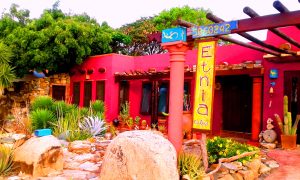
Article by Etnia Nativa call us 592 2702 and book your experience!
In this new episode, Etnia Nativa aims to share with you—and connect you to—our sense of belonging.
“The real sense of belonging is to be aware and have emotionally accepted and intellectually incorporated Aruba’s real history, which includes all those Arubans who thrived before one’s own existence had even begun.” — From the book Cultural & Genetic Heritage of Arubans.
For decades, Aruba’s indigenous roots were often overlooked or dismissed by foreign authors and even in some educational materials, reflecting historical narratives promoted by government authorities. However, in recent decades, scientific research by Aruban scholars has challenged these views, revealing a rich genetic heritage that traces back to the island’s original inhabitants.
Studies conducted by Aruban scientists confirm that the indigenous genetic makeup remains a dominant feature of the traditional Aruban genome, supporting the claims of Etnia Nativa, which is dedicated to preserving and promoting native heritage.
Like all ethnic groups, Arubans share distinct physical characteristics. Among these are traits often associated with Amerindian ancestry: slanted eyes, straight black hair, and the presence of the Mongolian spot—also known as congenital dermal melanocytosis or the “blue butt mark”—a birthmark retained more strongly in Aruba than in neighboring islands like Bonaire or Curaçao.
Some historians argue that these features are not linked to Aruba’s earliest inhabitants, suggesting instead that indigenous populations from later settlements (post-1640) were responsible for these traits. According to this view, European colonization and economic policies under the Dutch West India Company allowed certain groups to live freely on the island, preserving their lineage more effectively than in other Caribbean territories.
However, Aruban researchers, using mitochondrial DNA (mtDNA) analysis, have demonstrated that Amerindian genes never vanished from the island. In the landmark study Genetic Structure of the Aruban Population: Three Origins, scientists refuted the notion that Arubans became extinct due to European colonization and traced maternal lineages directly back to indigenous ancestors.
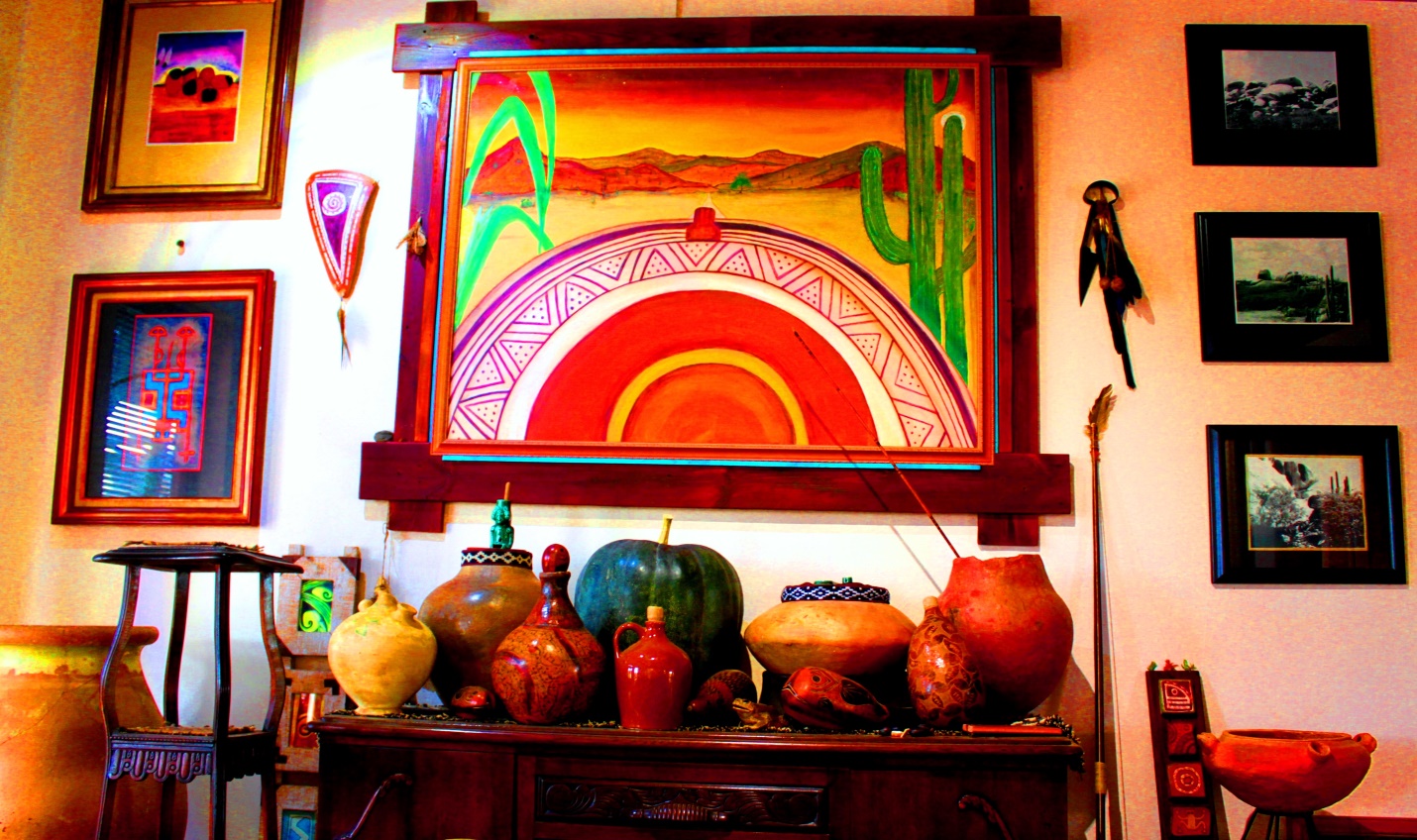
In 2001, during the XIX International Congress of Caribbean Archaeology, Etnia Nativa participated directly in pioneering research conducted by Dr. Oswald Wever (Aruba) and Dr. Martínez Cruzado (Puerto Rico), which highlighted the enduring presence of Amerindian genetic ancestry in Aruba. The curator of Etnia Nativa was the first participant in the study to be identified as carrying Indigenous mitochondrial DNA (mtDNA), providing concrete evidence of the island’s ancestral continuity.
Through these genetic studies, researchers can identify familial connections, trace haplogroups, and map the influence of ancient Caquetio settlements on present-day Aruban populations. Such insights offer not only a window into the island’s past but also an opportunity to reclaim and honor the contributions of its earliest inhabitants.
As a private organization, Etnia Nativa continues to promote education and awareness of Aruba’s indigenous heritage, integrating research findings into its cultural programs. Dr. Wever’s work—particularly on the cultural and genetic heritage of Arubans—reinforces the organization’s mission to ensure that the Amerindian voice is both recognized and celebrated, rooted in rigorous scientific evidence as well as vibrant cultural expression.
Despite past attempts to minimize or deny Aruba’s Indigenous history, ongoing research and public engagement continue to demonstrate that the island’s identity is deeply rooted in its Amerindian ancestry. The work of Aruban scientists such as Dr. Oswald Wever helps ensure that this heritage is no longer forgotten, inviting all Arubans to embrace the richness of their shared history.
“Let the Amerindian voice be heard”—a statement once relegated to history, now resonating through science, culture, and collective memory.
For those willing to look beyond Aruba’s postcard beauty, Etnia Nativa offers something rare: a deeply personal encounter with the island’s ancestral soul. In Aruba, heritage is not only preserved—it is lived.
Personal experiences with Etnia Nativa are available by appointment: WhatsApp +297 592 2702 etnianativa03@gmail.com