




Etnia Nativa: Your peek into Native magic, healing the spirit.
Article by Etnia Nativa call us 592 2702 and book your experience!
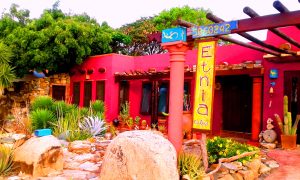
Aruba is not only a sun-drenched paradise but also a living canvas of human history. Through Etnia Nativa, both readers of Island Insight and curious visitors can journey to the island’s heart, guided by its curator-an amateur archaeologist and the island’s foremost cultural expert.
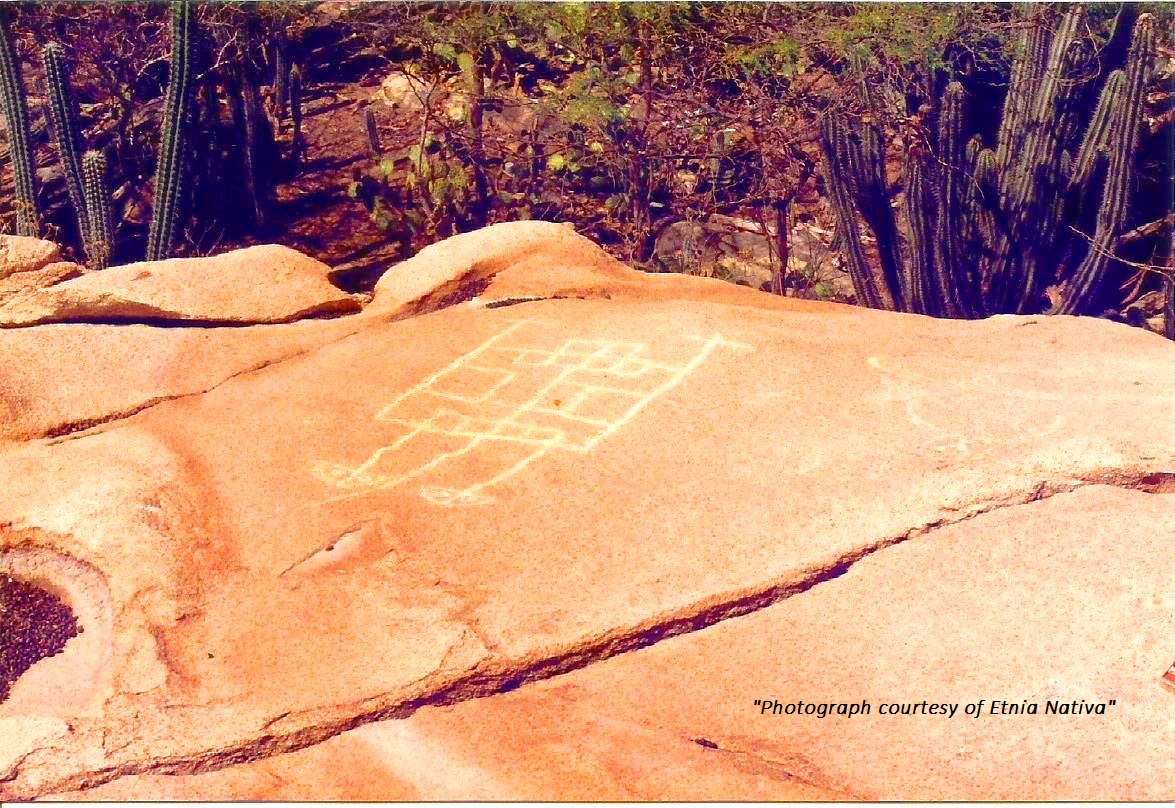
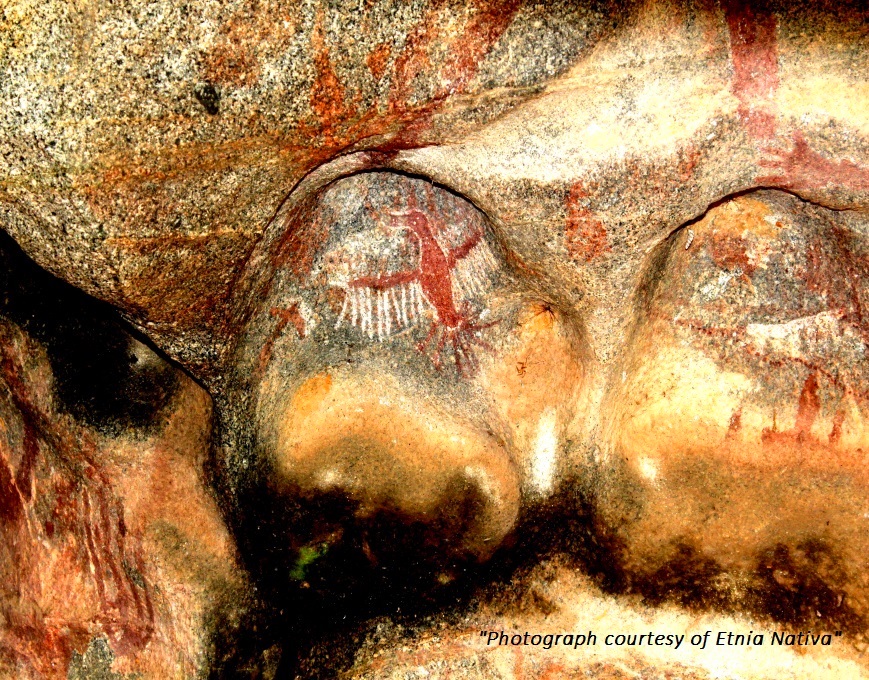
In this new weekly episode, we explore the island’s earliest human artistic expressions. These were created by prehistoric inhabitants who viewed the world through a cosmic lens, a perspective slowly fading with the dust of time. These artists conveyed their spiritual and social cosmology through stories, which have been captured on our island’s rocks and in caves as rock art, leaving behind over 300 expressions across Aruba. Some works are etched into hard stone, while others are painted in limestone caves and on granite boulders. Later generations crafted new symbols in refined clay, creating stunning geometric designs and impressive ceramic pieces. This legacy remains a vital portal into the sacred and everyday lives of Aruba’s first inhabitants.
Rock art, practiced for thousands of years across the Americas, depicts stars, animals, spiritual beings, objects, and people. Some researchers even suggest that certain ancient symbols may represent visitors from beyond Earth. Globally, rock art has always carried messages- engraved historical records etched into stone. In North America, the Cooper Bison Skull in Oklahoma dates back over 10,000 years, illustrating the profound time depth of this practice.
In Aruba, archaeologists have documented 301 pictographs, including three petroglyphs, across 17 sites. Counting each distinct symbol increases the total to roughly 331 individual representations. Petroglyphs, created by carving or pecking into rock, are less common here than pictographs, which are painted on light-colored surfaces such as granite, quartz diorite, or limestone cave walls. Stylized humans, animals, and geometric objects dominate the island’s pictographs, created using pigments derived from soot, minerals, plants, or even blood, in shades of red, orange, white, and black.
The native rock artist-often a mystical healer, herbalist, and color creator- was a central figure in the community. Known as curanderos or curiosos, these artists combined spiritual insight with creativity, continuing shamanic traditions that likely originated over 30,000 years ago during migrations through Bering.
In a world that moves at breakneck speed, prehistoric rock art reminds us to slow down. It asks us to simply listen, absorb, and appreciate the gentle sound of the waves-often stirred by strong winds-the morning calls of nature, and perhaps most precious of all, the sound of silence. We, the natives of Aruba, deeply value our stone heritage. Many of these monumental structures served as shelters from wind, heavy rains, and the sun, or as social gathering places where our ancestors shared the island’s first stories. Even today, despite vandalism and harsh weather, this heritage still speaks to us. The question is: are we listening? The world already is. Every mark etched in stone, every symbol painted on cave walls, speaks across time-and demands that we honor it. To listen is to remember, to protect, and to carry forward the stories of those who came before us.
For visitors eager to immerse themselves in Aruba’s true identity, Etnia Nativa provides an unparalleled cultural experience. Since 1994, it has blazed trails, shaping projects such as Arikok National Park, the Archaeological Museum, and the Artisan Foundation. Each visit is more than a tour; it is a chance to feel the island’s spirit through stories that resonate, and stir the soul.
During your vacation, let yourself be transported into Aruba’s ancient world, where art, history, and spirituality intertwine, and experience the island as its first inhabitants did—through Etnia Nativa.
Personal experiences with Etnia Nativa are available by appointment—reserve your journey today WhatsApp +297 592 2702 etnianativa03@gmail.com