

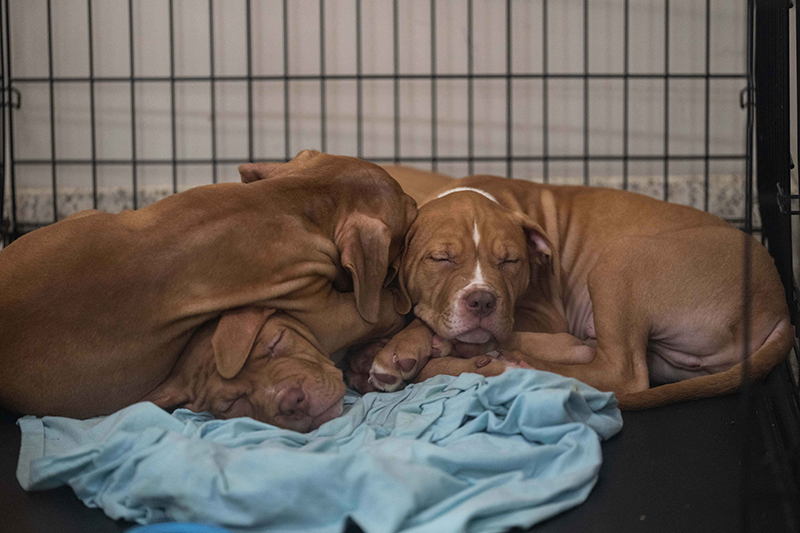




FLORIDA — In a landmark move for animal welfare, Florida has officially launched a statewide Animal Abuse Registry, a move aimed at preventing convicted animal abusers from adopting or purchasing pets. This public, searchable database marks a significant shift in how the state addresses animal cruelty, positioning Florida as a leader in a growing national movement toward stronger legal protections for animals.
The registry, which went live this week, functions similarly to other public safety databases. It requires individuals convicted of certain animal cruelty offenses—ranging from felony neglect to organized dog fighting—to register their information with the Florida Department of Law Enforcement (FDLE). This information, which includes the offender’s name, photo, and the nature of their crime, is now accessible to animal shelters, rescue groups, and pet stores across the state.
A shield for the vulnerable
For years, animal advocates have argued that a lack of communication between jurisdictions allowed known abusers to move from one county to another to obtain new animals. “This registry closes the loophole,” says Elena Rodriguez, a director at a prominent Miami-based rescue. “In the past, we had to rely on a ‘gut feeling’ or independent background checks that didn’t always catch out-of-state or out-of-county convictions. Now, we have a centralized tool to ensure our animals are going to safe, loving homes.”
The legislation behind the registry, often referred to as “Dexter’s Law” in local circles after a high-profile abuse case, received bipartisan support in the state legislature. Lawmakers emphasized that the registry isn’t just about protecting pets; it’s about community safety.
The link to public safety
Criminologists and law enforcement officials have long noted the “link” between animal cruelty and interpersonal violence. Studies often show that individuals who intentionally harm animals are statistically more likely to commit violent crimes against humans.
“By identifying and tracking those who commit acts of cruelty against animals, we are also identifying individuals who pose a risk to the broader community,” said State Senator Mark Thompson during the bill’s signing. “This registry is a proactive tool for public safety. It allows us to monitor patterns of behavior before they escalate into even more tragic situations.”
How It works
Under the new law, pet sellers—including private breeders and retail stores—are encouraged to check the registry before finalizing any animal transfer. While the law primarily mandates that shelters and high-volume rescues use the database, the public accessibility of the site allows neighbors and community members to remain informed.
Convicted offenders will remain on the registry for a period of ten years for a first offense, while subsequent convictions will result in a permanent listing. Failure to register or providing false information is considered a third-degree felony, carrying its own set of strict penalties.
A growing national trend
Florida joins a select but growing group of states and counties across the U.S. that have implemented similar registries. Tennessee was the first to launch a statewide registry in 2016, and several New York counties have followed suit. However, Florida’s version is one of the most comprehensive in the country, covering a wide array of offenses and providing a user-friendly interface for the general public.
Critics of such registries often cite concerns regarding privacy and the potential for “vigilantism.” However, proponents argue that because the information is already a matter of public court record, the registry simply makes that information more accessible to the specific industry that needs it most.
Looking ahead
As the registry begins its first month of operation, state officials are focused on ensuring all 67 counties are synchronized with the data. For the volunteers and staff at Florida’s hundreds of animal shelters, the registry represents more than just a database; it represents peace of mind.
“We spend months nursing these animals back to health,” Rodriguez added. “Knowing we have one more layer of protection to keep them out of the hands of people who would harm them makes all the difference. It’s a great day for Florida’s animals.”