



A wave of hope is sweeping across America’s coastlines as local communities achieve record-breaking success in marine conservation. From the seagrass meadows of Florida to the kelp forests of California, citizen scientists and local volunteers are proving that collective action can heal our oceans. Recent data shows a 15% increase in healthy coral coverage in protected Hawaiian zones, a direct result of community-led nurseries. These grassroots efforts are not just saving fish; they are uniting neighbors under a shared purpose. Local families are spending weekends transplanting mangroves and cleaning beaches, turning environmental stewardship into a joyful communal hobby. This surge in “blue-green” volunteerism shows that when we work with nature, the rewards are as vast as the sea itself.
The rise of the citizen scientist
The traditional model of marine biology—driven primarily by large academic institutions—is being augmented by a passionate army of “citizen scientists.” In the Pacific Northwest, recreational divers are now trained to track the health of sunflower sea stars, providing vital data that helps researchers protect these keystone species. This democratization of science has turned a simple vacation activity into a mission of restoration.
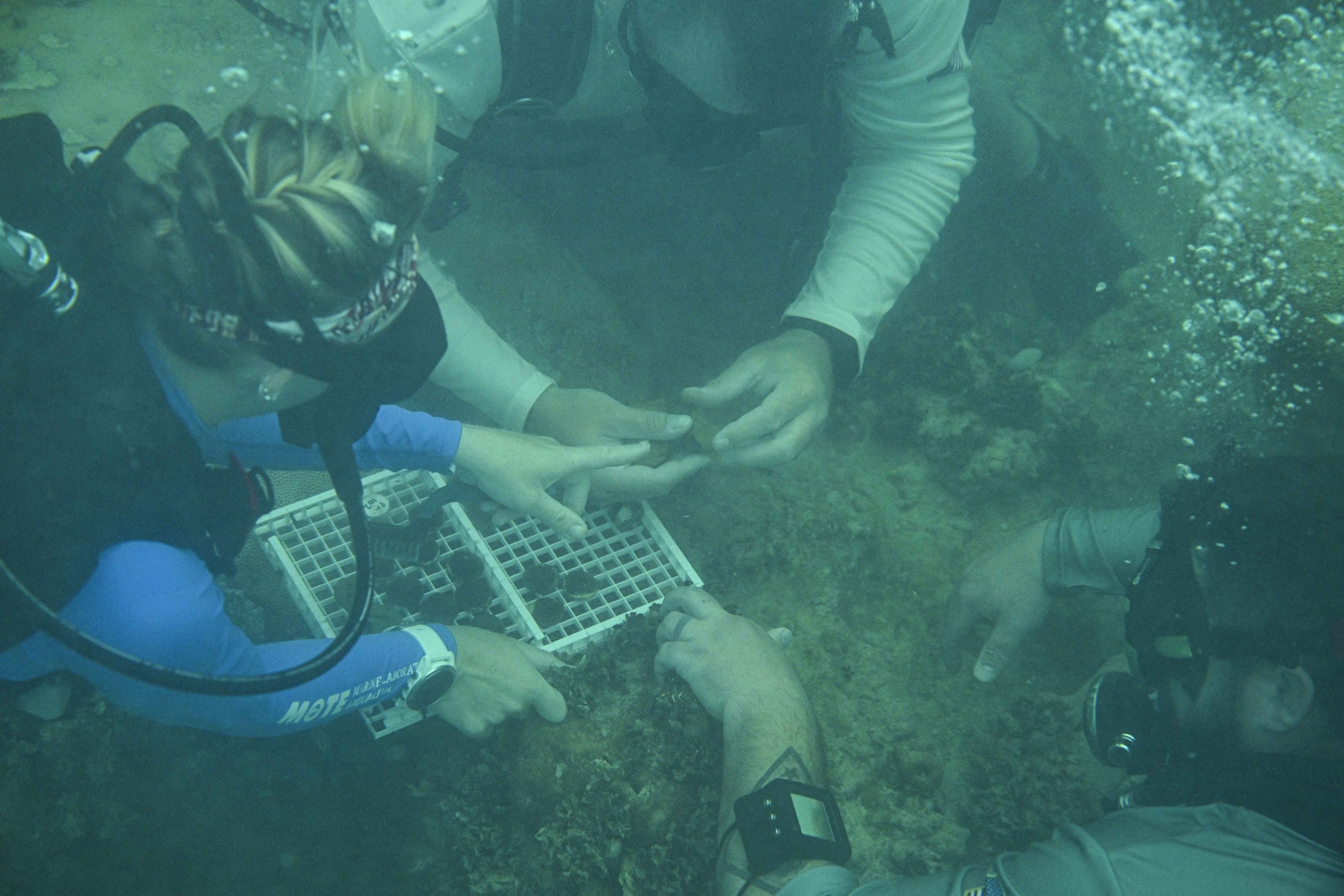
Travelers visiting coastal regions are no longer just passive observers of the beauty; they are becoming active participants in its preservation. “We used to just come for the sun and the surf,” says one volunteer in the Florida Keys. “Now, we spend one morning of our trip out on the reef, clearing invasive species and checking the health of the coral we helped plant last year. It makes the vacation feel meaningful.”
Healing the blue carbon sinks
One of the most inspiring developments in this national movement is the focus on “Blue Carbon”—the carbon captured by the world’s ocean and coastal ecosystems. Coastal communities in the Chesapeake Bay and the Gulf Coast are leading massive replanting efforts for seagrass and salt marshes. These ecosystems are powerhouses of restoration, filtering water and providing nurseries for countless marine species.
What makes these projects unique is their community-led nature. Local fishing cooperatives, once at odds with conservationists, are now the primary champions of these “living shorelines.” They have seen firsthand how healthy marshes lead to healthier fish stocks. By blending traditional ecological knowledge with modern restoration techniques, these communities are creating a sustainable cycle of growth that benefits both the economy and the environment.
A future of abundance
The success of these marine restoration projects is sending a clear message: the narrative of “inevitable decline” for our oceans is being rewritten. In Southern California, the restoration of giant kelp forests has led to the return of vibrant ecosystems that had been dormant for decades. The sight of leopard sharks and bright orange Garibaldi fish weaving through golden kelp canopies is a testament to what happens when humans decide to be a “keystone species” for good.
As these success stories multiply, they create a “ripple effect” of inspiration. Schools along the coast are incorporating marine restoration into their physical education and science curriculums, ensuring that the next generation grows up with a deep-seated connection to the water.
Your coastal connection
The beauty of the “Marine Restoration” movement is that it invites everyone to the table. Whether you are a lifelong resident of a coastal town or a traveler visiting for a week, there is a place for you in the tide. We are learning that the ocean isn’t just a backdrop for our lives; it is a living, breathing partner that thrives when we offer our care.