




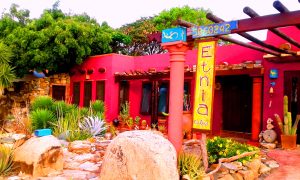
Etnia Nativa: Your peek into Native magic, healing the spirit.
Article by Etnia Nativa call us 592 2702 and book your experience!
In this new episode, Etnia Nativa reveals that long before Aruba became synonymous with turquoise waters and luxury resorts, the island told a different story, one marked by resilience. For centuries, the island survival depended on ingenuity, and the careful management of scarce resources.
The Aruba’s inhabitants, our fore fathers the Caquetio people, forged a life intimately connected to the land and sea and nature itself. Migrating from the South American mainland, they built economic communities supported by through fishing, hunting and slash and burn agriculture practices. Their way of life reflected a balance with Aruba’s arid environment—a balance that would be disrupted by the arrival of European powers in the early 15th century.
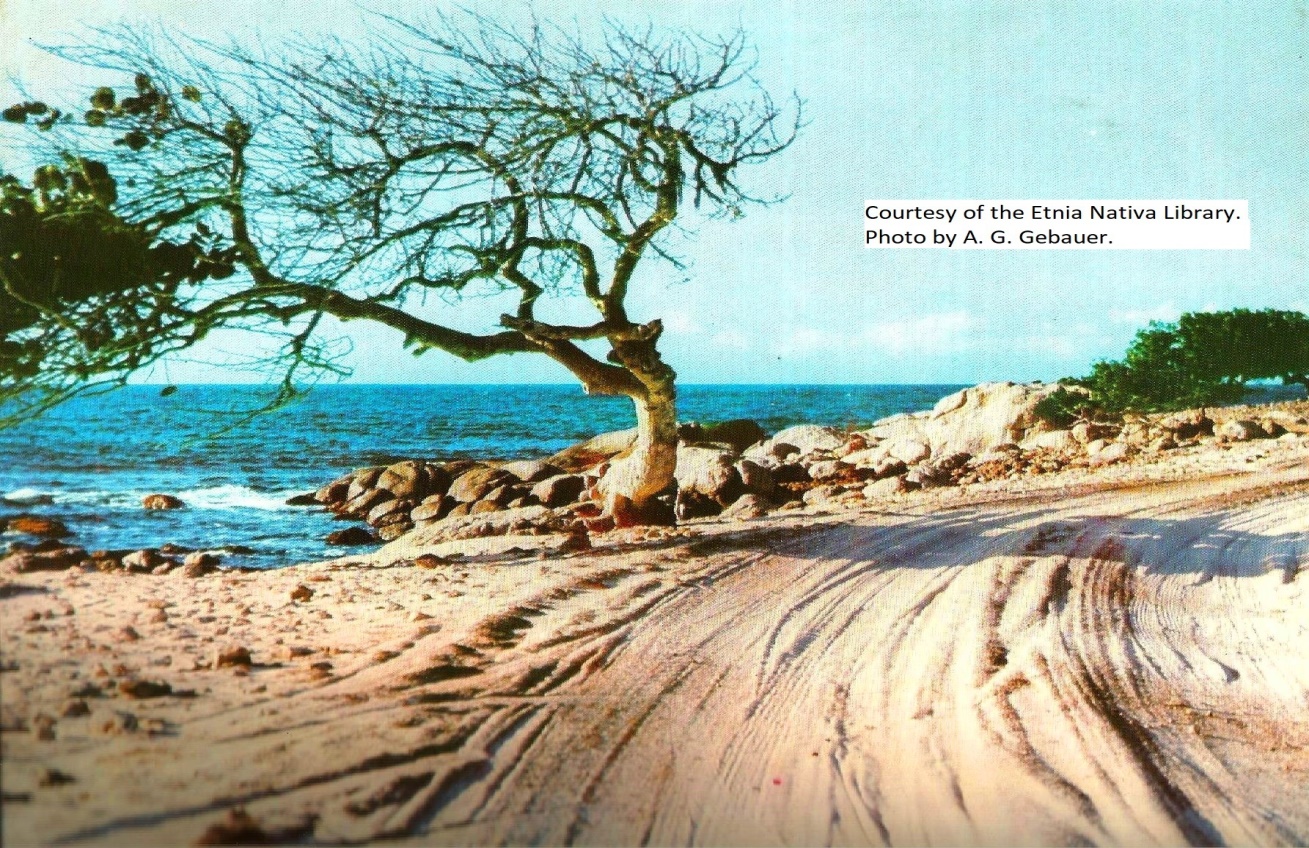
Under Spanish, followed by the Dutch rule Aruba’s natural resources were exploited with little regard for sustainability. Among the most notable losses was “Palo di Brazil”, Brazil wood tree, which once grew abundantly across the island. Prized in Europe for its intense red dye, the wood was felled to near extinction, and the striping of a great portion of the islands South coast of its mangrove forests, leaving an indelible mark on Aruba’s ecological landscape. Meanwhile, the introduction of goats and donkeys further altered the terrain, modifying vegetation patterns and land use.
When the Dutch took control in 1636, Aruba became a supplier of horses, exported from Paardenbaai—“Bay of Horses”—often destined for military or for incursions into the mainland. However, economic life remained fragile. Trade was sporadic and dependent on passing ships who exchanged goods for water, livestock, and provisions. The rest was shipped in by natives trading with their cousins of the main land
Unlike the rest of the Caribbean islands, Aruba did not become a center of the transatlantic plantation slave trade. In later years, people of African descent arrived primarily from neighboring island of Curaçao as house slaves other came as free laborers.
Scarcity marked daily life. Aruba’s arid climate and limited natural resources made drought famine a constant threat. Colonial policies often exacerbated these conditions, forcing the export of much of the island’s production, even in times of crisis. Yet even amid these hardships, moments of opportunity emerged—none more transformative than the discovery of gold.
In 1824, a young shepherd stumbled upon gold, sparking excitement across the island. Early prospectors relied on simple techniques such as panning in dry riverbeds, but the promise of wealth soon attracted more organized enterprises.
By the mid-19th century, companies were attempting to industrialize extraction, yet most failed due to high costs and logistical barriers. Only in the early 20th century did mining briefly become profitable before global upheavals—particularly World War I—brought operations to a halt. Subsequent attempts at revival never restored the industry’s former promise. Gold was not the only resource to offer fleeting prosperity.
Other resources offered fleeting prosperity. Phosphate discovered in 1874 at Cerro Colorado led to the Aruba Phosphaat Maatschappij, which exported roughly one million tons of guano between 1881 and 1914. Aloe, introduced in 1861, thrived in Aruba’s climate; its potent loin reached 22 percent, among the highest globally. Yet both industries succumbed to fluctuating world markets, and many fields were eventually abandoned as oil offered higher wages.
Aruba’s economic life before the arrival of oil was defined by extremes. Periods of near famine alternated with brief periods of prosperity. The island’s inhabitants turned to a wide range of trades to survive: rope making, straw hat weaving, peanut farming, shipbuilding, pottery, carpentry, and fishing. Even the pods of the Divi-divi tree were harvested for tannic acid, demonstrating the extent to which every available resource was utilized.
The arrival of the oil industry in the 20th century marked a turning point and transformed Aruba’s economy, bringing stability and growth and the top of modernity after centuries of uncertainty. However, even this prosperity was not without challenges. Automation led to job losses, exposing the vulnerability of relying on a single industry. Seeking to diversify its economy, Aruba turned to tourism.
A pivotal moment came on February 5, 1955, with the arrival of The Trade Wind, the island’s first cruise ship in the modern era. Shortly thereafter, the construction of the Aruba Caribbean Hotel and Casino marked the beginning of a new chapter, attracting the international jet set. Tourism promised not only recovery but reinvention. Aruba’s story is one of perseverance against all odds. It is a story defined by environmental limitations and by a people who, generation after generation, adapted, resisted, and survived at the very edge of what seemed possible.
That legacy remains deeply ingrained in the island’s identity, now a silent witness to a new era of strain and stress. Tourism, once heralded as a source of renewal, is increasingly associated with environmental decline and intensifying social unrest.
This episode is brought to you by Etnia Nativa—the native inspiration behind turquoises waters. Don’t just visit Aruba—understand it.
Book your experience with Etnia Nativa: Whats App +297 592 2702 etnianativa03@gmail.com