
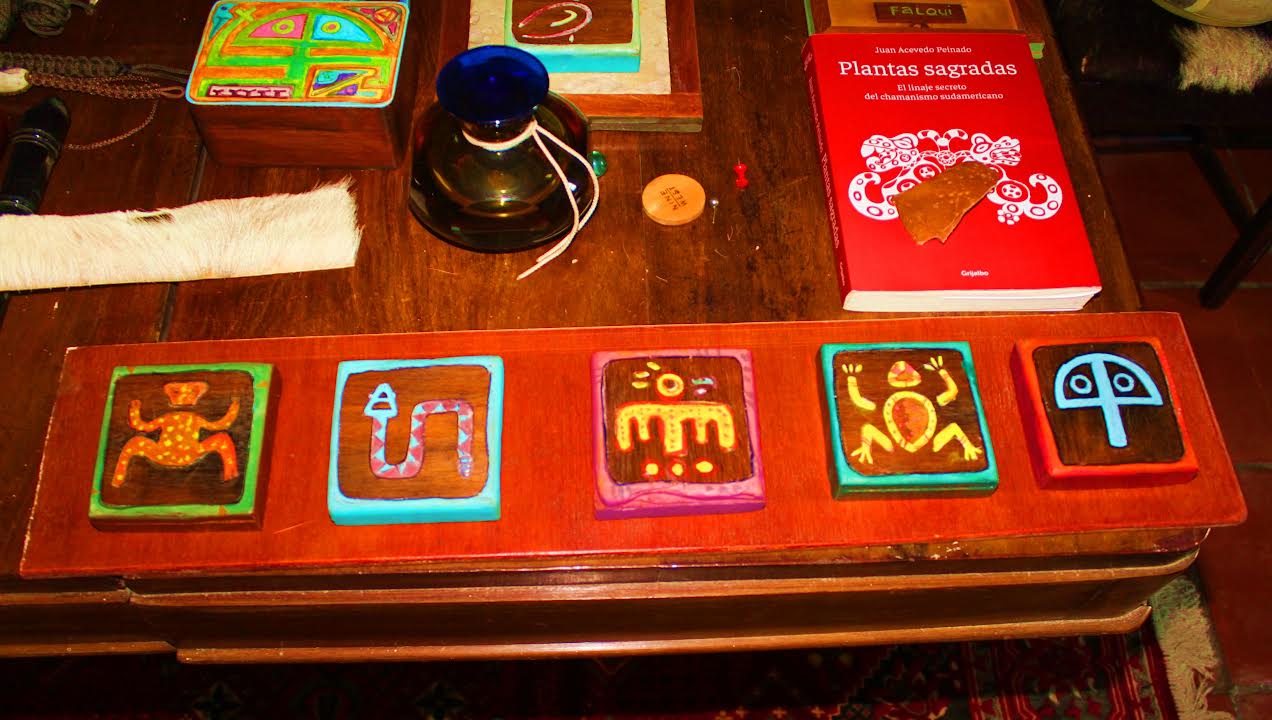




Before the hotels, before the roads, before the maps that gave the island its modern name, Aruba was already speaking.
It spoke through the wind crossing the Divi-Divi trees, through the rhythm of the tides against ancient shores, and through the quiet wisdom carried by the island’s first people—those who learned to read the stars, heal with plants, and listen to the language of the land.
At Etnia Nativa, we reflect on an enduring ancestral truth: nothing in nature is wasted, and everything is connected. Within this vision, native culture and philosophy are expressed through daily practice. Materials are reused, traditions are preserved, and respect for the natural world guides everyday life.
By recovering ancestral customs, humanity places itself within the circle of nature rather than above it, for our ancestors saw nature not as a resource to conquer, but as a living presence to understand.
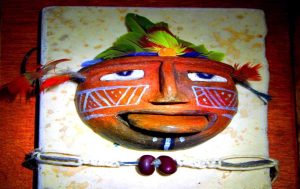
For centuries, many cultures have spoken of shamans as intermediaries between humans and the spirits of nature. They listened to the wind, the ocean, the animals, and the plants, understanding that each carried its own form of wisdom. Nature was never silent—it was a teacher.
Within this worldview, Etnia Nativa stands as a living library of knowledge, offering perspectives on balance, continuity, and transformation. It reminds us that we are part of nature and that the role of the shaman has always been to help communities remember what time and change may cause them to forget.
For thousands of years, our ancestors lived in close relationship with the Earth. They understood migratory patterns, seasonal cycles, medicinal plants, and the delicate balance that sustains life among species. Humans were not merely observers of nature but active participants within its vast web of life.
Over time, agriculture, industry, and the expansion of modern cities created distance between people and the natural world. The illusion of separation gradually emerged. Yet biology, ecology, and history remind us that this separation never truly existed. Humans remain a thread within the same living tapestry as forests, oceans, animals, and soil.
By honoring the land, reusing materials, and preserving Indigenous knowledge, the cultural work of Etnia Nativa reflects this ancestral understanding and demonstrates that harmony with nature is not simply an idea—it is a way of life.
Cultural memory is sustained through storytelling, art, and education. Natural elements are treated with respect, and materials are reused whenever possible. Within this classroom of life, people rediscover how to live in harmony with ecological boundaries and cultural traditions that recognize the value of the natural world.
Every shell, cactus, and stone holds meaning. Nothing is discarded without thought. The cycles of nature—growth, decay, and renewal—are visible everywhere. These daily practices echo the deepest teachings of shamanic traditions: life unfolds as a continuous cycle in which every element has a purpose.
Today, perhaps the role of the shaman is not to stand between humanity and nature, but to remind us of something far more profound:
We were never separate from the Earth. We are part of it.
Modern societies may require a different form of awareness—a collective awakening. Each person carries a responsibility once associated with the shaman: to listen to, respect, and protect the living world to which we belong.
The bridge between humanity and nature is not something we must search for outside ourselves. It already exists within us.
By becoming conscious stewards of our environment, we expand the meaning of ancient wisdom. The responsibility for balance belongs to everyone. We share the same senses, the same intuition, and the same biological connection to the Earth that our ancestors possessed. The difference lies not in our abilities, but in our awareness.
Our health depends on forests, oceans, fertile soils, and biodiversity. Our cultures, food systems, and climate stability arise from ecological balance.
Recognizing this truth transforms the way we live. It reminds us that protecting nature is not an act of charity toward the planet, but an act of survival—and a gesture of respect for ourselves.
Before You Leave Aruba… Discover Its Soul
Step inside Etnia Nativa and journey beyond the beaches into the living heart of the island. Here, the ancient wisdom of Aruba’s first people still breathes through stories, sacred plants, star navigation, and traditions shaped by centuries of harmony with nature—long before the resorts and modern world arrived.
In just one unforgettable hour, you will encounter the knowledge, resilience, and spiritual connection that forged Aruba’s true identity.
A powerful cultural journey into the traditions, wisdom, and enduring spirit of the island’s first inhabitants.
Don’t just visit Aruba—understand it.
Article by Etnia Nativa call us 592 2702 and book your experience!
Whats App+297 592 2702 etnianativa03@gmail.com