




The Caribbean offers incredible real estate opportunities, but not all islands are equal in terms of affordability, rental potential, and lifestyle. Aruba stands out as a top choice for buyers seeking a mix of investment upside and quality of life, thanks to its stable economy, tourist-friendly rules, and natural beauty.
1. Competitive Pricing Across the Caribbean
Aruba offers condos at prices that are often lower than other premium Caribbean destinations, especially for beachfront or near-beach properties:
Island One-Bedroom Condo Two-Bedroom Condo Three-Bedroom Condo Notes
Aruba $230,000–$385,000 $300,000–$1,175,000 $440,000–$1.65M Prime areas like Eagle Beach & Baby Beach Beach offer strong rental potential
Bahamas $350,000–$600,000 $500,000–$1.5M $750,000–$2.5M+ High luxury market, stricter rental rules in some areas
Barbados $250,000–$500,000 $400,000–$1.2M $600,000–$2M Popular for expats, but short-term rental restrictions exist in residential zones
Turks & Caicos $400,000–$700,000 $600,000–$2M $900,000–$3M Very high per-square-foot prices, primarily luxury market
Cayman Islands $450,000–$750,000 $700,000–$2.2M $1M–$3.5M Limited inventory, high property costs, strict STR licensing
Sources: Global Property Guide, local Caribbean real estate reports
Key takeaway: Aruba offers a “sweet spot” — lower entry prices than most luxury Caribbean markets while still providing prime beachfront and high-tourism rental opportunities. Thus, high price appreciation potential.
2. Short-Term Rentals: Flexible in Tourist Zones
A major advantage of Aruba is its friendly short-term rental environment in key areas:
Tourist zones with open STR potential: Eagle Beach, Palm Beach, Oranjestad City Center, Tierra del Sol, and Baby Beach. Owners can list properties without numeric night caps or excessive bureaucracy.
Residential neighborhoods: Purely residential areas like Noord, Malmok, Rubi and Ponton may face restrictions or scrutiny if owners rent for short-term, ensuring community stability.
This is an important contrast with other Caribbean islands where STR regulations are stricter across the board, often requiring licenses, permits, and night limits.
3. Lifestyle & Natural Beauty: Baby Beach and Rodger’s Beach
Beyond investment, Aruba offers unique lifestyle advantages:
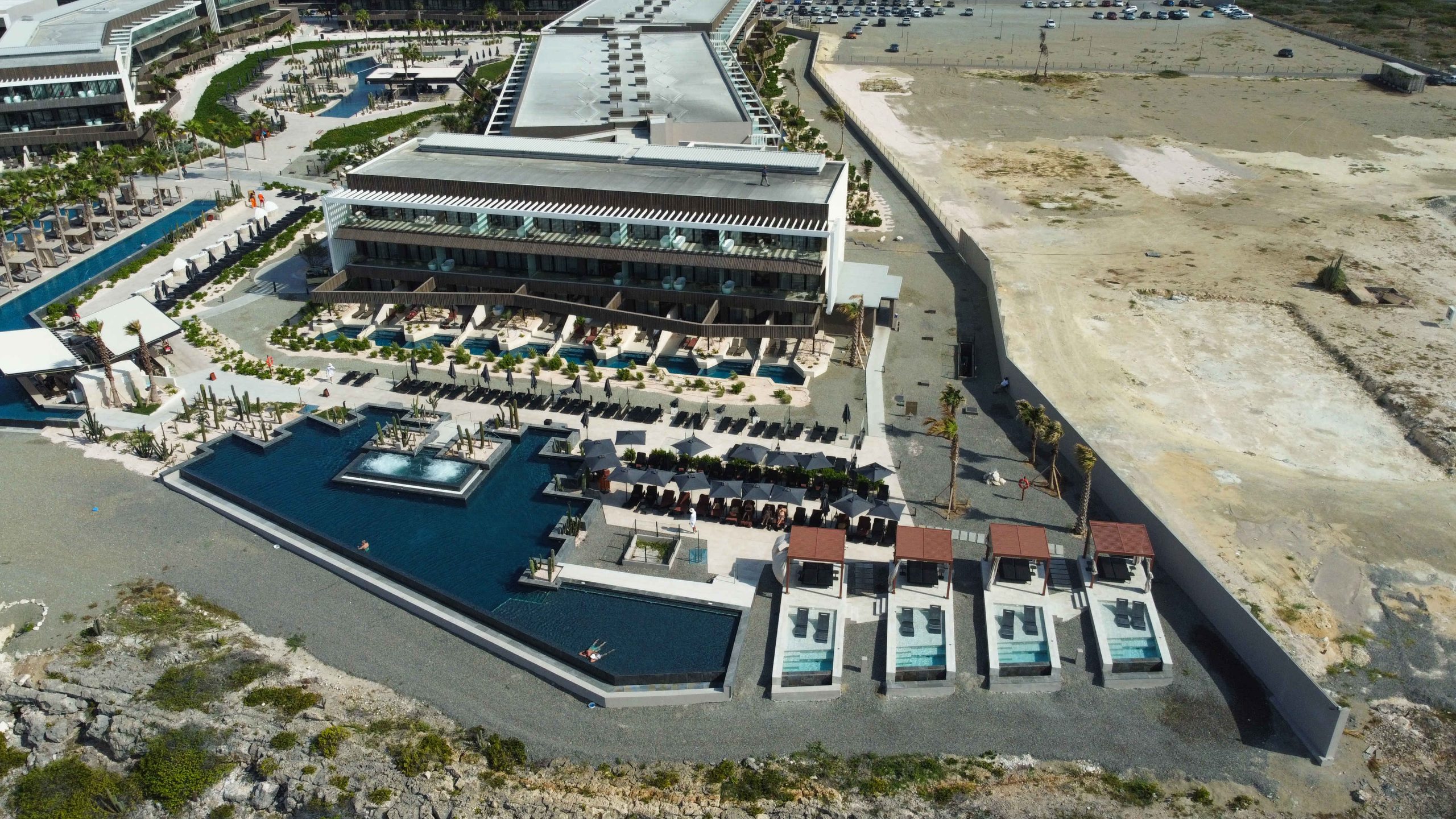
Baby Beach, near San Nicolas, is a shallow, protected lagoon perfect for families, snorkeling, and peaceful relaxation.
Compared with crowded resort beaches in other Caribbean destinations, Baby Beach and Rodger’s Beach offers a more natural and secluded setting without sacrificing accessibility.
Aruba’s climate is outside the hurricane belt, ensuring year-round comfort and consistent tourism, which benefits both residents and rental income.
4. Why Investors Prefer Aruba
Stable real estate market with steady appreciation.
100% foreign ownership allowed, clear legal protections under Dutch civil law.
High rental yields in tourist zones (6–10% on prime units).
Balanced zoning approach — rentals thrive in tourism areas, while residential areas are protected.
Infrastructure & connectivity: direct flights from US/Europe, reliable utilities, and good healthcare.
Conclusion
Aruba is a sweet spot in the Caribbean for condo buyers:
Lower entry prices than many luxury islands
Flexible short-term rental rights in core tourist zones
Stable, hurricane-free environment with year-round tourism
Unique natural settings like Baby Beach for a peaceful lifestyle and those who love the outdoors.
Compared with other Caribbean islands, Aruba combines investment potential, lifestyle appeal, and rental flexibility, making it a standout choice for buyers looking for both returns and a slice of island paradise.