




Etnia Nativa: Your peek into Native magic, healing the spirit.
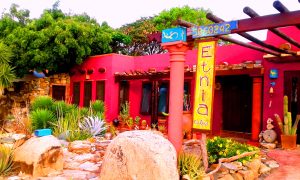
Article by Etnia Nativa call us 592 2702 and book your experience!
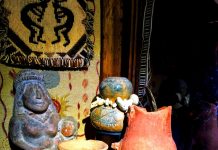
Etnia Nativa explores the island’s indigenous culture and the knowledge passed down by its earliest inhabitants. This includes survival techniques, the use of plants for healing, practical skills, celestial navigation, and an understanding of weather patterns. These traditions have been transmitted across generations and continue to shape Aruba’s cultural identity today. The island’s heritage is deeply rooted in the enduring connection between its people, their knowledge, and our beloved rock.
In this episode we share the history of a musical rhythm that is the soul of Aruba’s New Year: Dande.
As the final seconds of the year fade and a new one is welcomed, Aruba comes alive with a sound that is unlike any other in the world—the rhythmic heartbeat of Dande. Deeply rooted in tradition and community, Dande is far more than music; it is Aruba’s living expression of unity, respect, and hope for the year ahead will bring abundant rain, health, peace and prosperity.
Although the exact origin of Dande remains uncertain, historians estimate that the rhythm began resonating across the island around 1880. Oral histories passed down through generations suggest that Dande may have been influenced by Arubans returning from Cuba, particularly during a time when many of them traveled abroad to work in agricultural fields. Whatever its beginnings, one truth remains clear: Dande is uniquely Aruban, found nowhere else on Earth.
The name Dande comes from the word “dandare,” meaning to go from one place to another—a fitting description of a tradition built on movement and connection. Another iconic phrase, “Ay nobe,” commonly heard in Dande songs, is believed to stem from the Spanish Año Nuevo (New Year), as no direct equivalent exists in the Papiamento language.
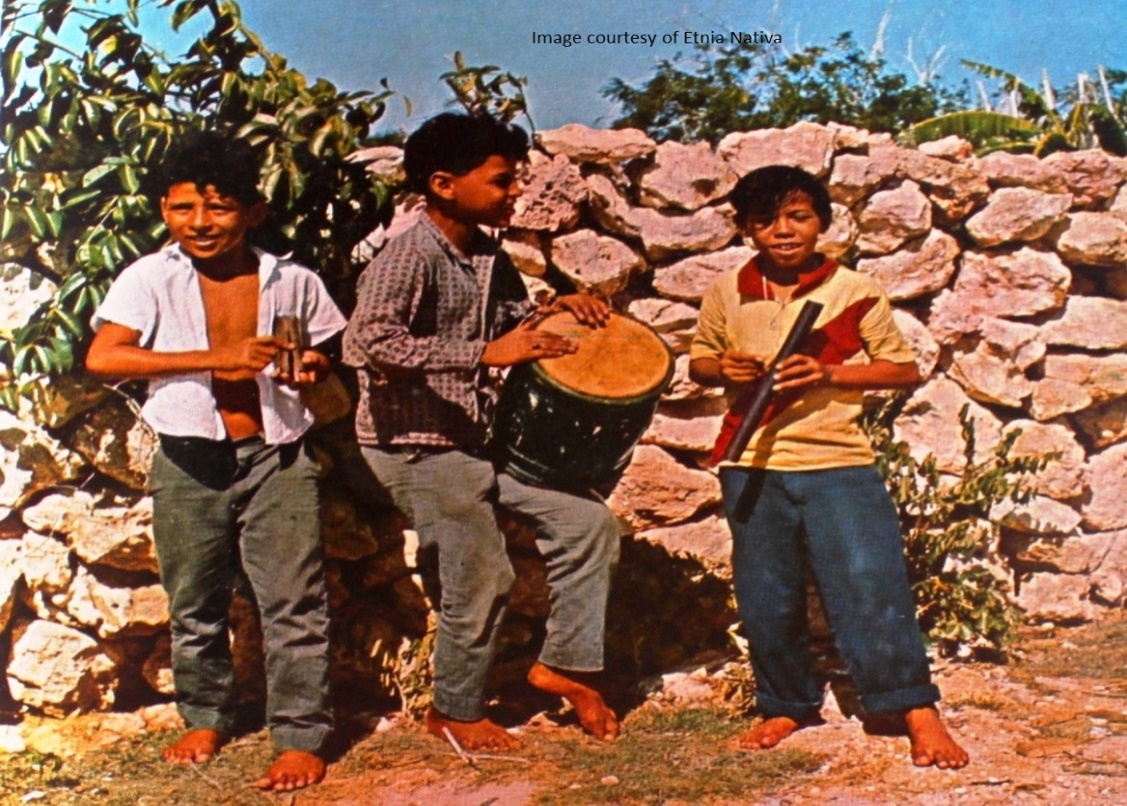
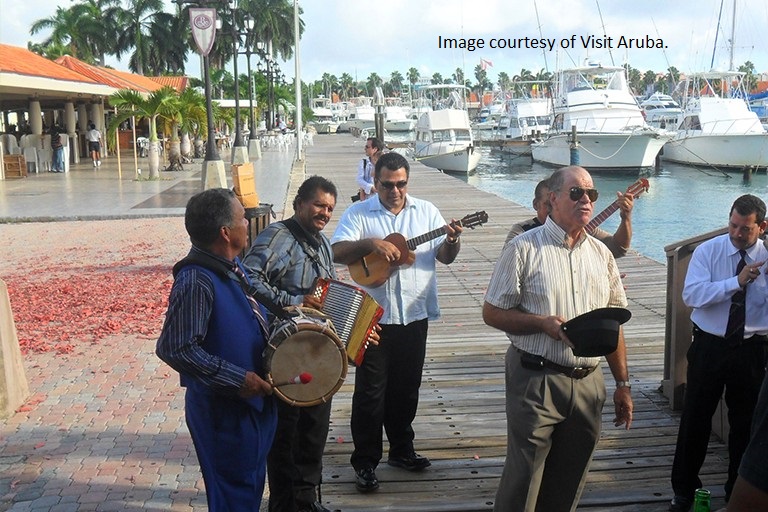
Traditionally, the celebration began after the clock struck midnight on New Year’s Eve. Small musical groups traveled from house to house, spreading blessings and good wishes through song. Early Dande ensembles were simple yet powerful, consisting of a drummer, a wiri player, and a singer. Over time, the sound evolved, welcoming instruments such as the cuarta, guitar, mandolin, accordion, violin, and eventually bass, which helped shape the rhythm of Dande.
In those early days, some participants even journeyed on donkeys, first visiting relatives before moving on to friends and neighbors—each home becoming part of a shared island-wide celebration. Musicians were treated with deep respect. They performed at the entrance or front yard’s home and only entered if the homeowner personally invited them inside. If not, the group moved on without offense or insistence.
Once welcomed, a beautiful ritual followed. The singer would remove his hat—a gesture of respect toward the household and family, not, as often mistakenly believed, to receive money. The song would then be sung first to the head of the household, followed by the lady of the home, and then each child, even the youngest, ensuring that everyone felt included in the blessing.
Musically, Dande holds a special place in Aruba’s cultural heritage. Though written in 6/8 time, similar to the tomb rhythm, Dande maintains its own unmistakable identity through its instrumentation and rhythmic structure.
The Dande tradition did not end on New Year’s Day. These musical visits continued until January 6, marking “Dia di Tres Rey” (Three Kings Day), a significant celebration in the Roman-Catholic calendar.
Dande remains a powerful symbol of Aruba’s cultural resilience—an echo of the past that still fills the present with joy, respect, and shared hope. As long as its rhythm is played and its songs are sung, the spirit of Aruba’s New Year will continue to travel from home to home, just as it has for generations.
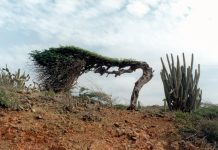
While the island’s pristine beaches and luxury resorts remain major attractions, more travelers today seek to understand Aruba’s history and cultural evolution, appreciating both its natural beauty and the resilience that led to its so called prosperity.
For those eager to uncover Aruba’s past, Etnia Nativa offers guided cultural experiences that explore the island’s roots, natural environment, and evolving traditions. Whether you are visiting for the first time or returning to rediscover its charms, this unique experience provides is a meaningful connection to the island’s rich history.
Step beyond the beaches and resorts to engage with the heart and soul of Aruba’s heritage visit Etnia Nativa, by appointment only:WhatsApp+297 592 2702 etnianativa03@gmail.com