



Etnia Nativa: Your peek into Native magic, healing the spirit.
Article by Etnia Nativa call us 592 2702 and book your experience!
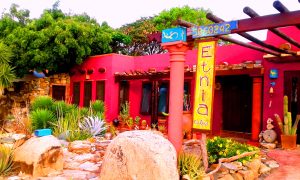
Etnia Nativa celebrates the island’s native ethnicity—linking our ancestral roots to survival knowledge, herbal wisdom, practical know-how, the ability to navigate by reading the stars, and the skill to predict the weather. These are the ways of our elders, passed down from their elders through unfathomable generations. Aruba’s identity is deeply rooted in this ancestral heritage.
Imagine a landscape of scorching heat, dry thorny terrain, and no fresh water—and yet our ancestors thrived. Discover their world through this unique interaction. Participate in a one-of-a-kind private experience that offers a native perspective, one that both educates and inspires an “island caretaker and eco-defender” mindset.
Today, we share a chapter of the island’s identity—one rooted not only in survival, but also in spirituality. In this episode, we journey into the heart of Aruba’s Christmas faith, where devotion, tradition, and community illuminated the season long before electric lights ever did.
In early December, Aruba transforms into a dazzling Christmas celebration known locally as Pasco. Streets glow with decorations that sparkle through the night. Yet this vibrant tradition is relatively new; the island’s history of Christmas reaches much further back—beginning when the Spaniards introduced the Bible in the mid-18th century, long before electricity arrived.
Before Christmas lights decorated Aruba, people awaited the holiday with deep anticipation, holding dearly to cherished customs. Families cleaned and painted their homes, and one beautiful tradition involved tying three aloe leaves with a bright red ribbon and hanging them above doors and windows—an amulet meant to welcome the ever-living spirits of peace and harmony into their homes.
Families gathered to share beloved dishes such as Christmas ham, ayaca (a type of tamale), goat stew, stuffed turkey, oliebollen, and delicious blends of Dutch and local desserts. They warmed their spirits with chuculati di pinda, a comforting blend of hot milk, honey, and ground peanuts, or they cheered with cream punch. At dawn, they faithfully attended the Aurora Mass, celebrated with the first light of day. Aurora symbolizes the blessed sunrise—the divine light emerging from the East, a reminder of hope revealed rather than hidden.
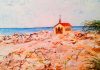
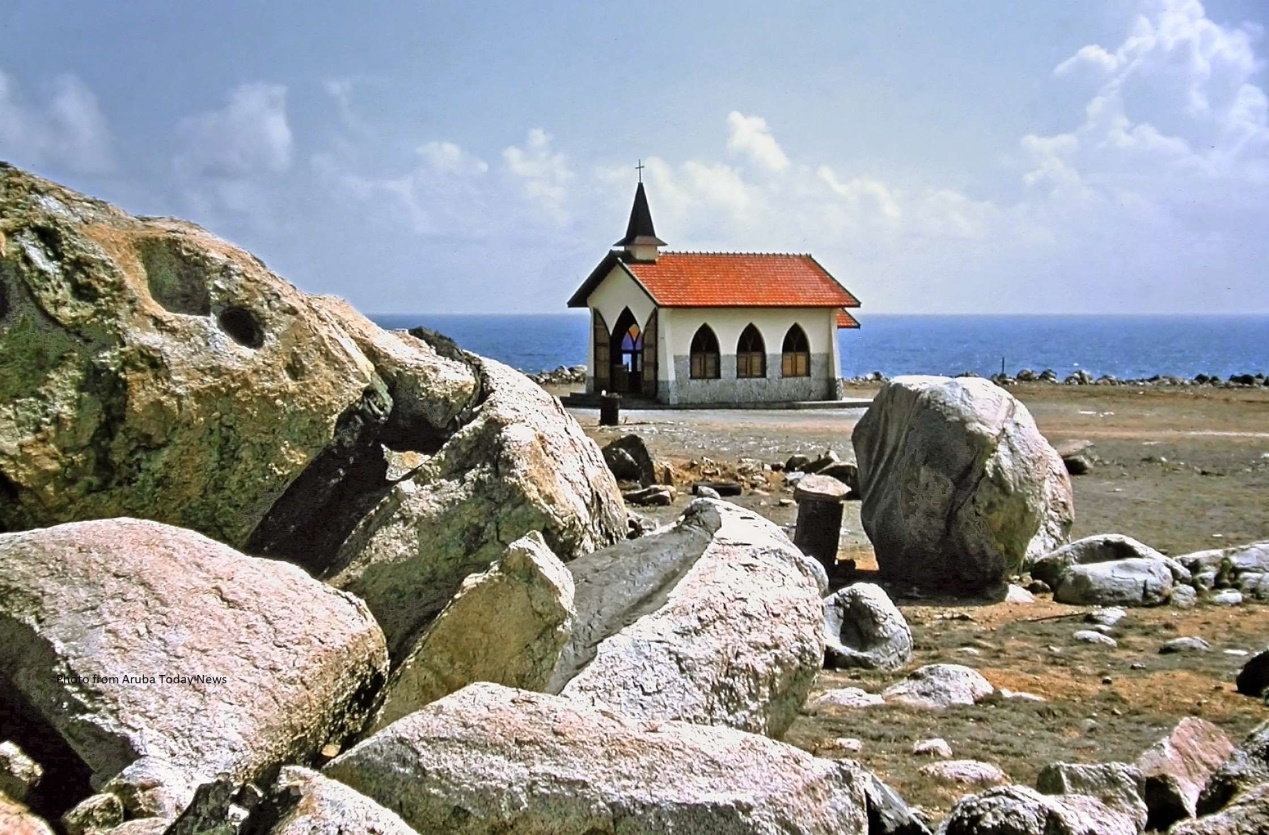
The ideal spot for this daybreak ceremony was on the island’s north coast, where the chapel of Alto Vista now stands, considered the cradle of Aruba’s Mestizo Christian faith. Today it attracts visitors from around the world, yet for locals it remains a sanctuary of tranquility—a place for spiritual grounding, rich in historical traditions of faith.
An old island manuscript from December 1760 recounts the final days of an elderly community member named Antonio Gregorio, a resident of the Alto Vista area—a story of unwavering faith. Deeply devout and gravely ill, Antonio feared he would die without receiving the holy sacraments. His greatest wish was to be spiritually prepared before his passing. He begged his family and neighbors to pray that a priest would reach Alto Vista in time—an urgent plea, as there was no priest on the island.
In the days leading up to Christmas Eve, the community gathered each night at the chapel to pray for him. As Antonio weakened, he remained steadfast, urging the prosecutor of Alto Vista and all the residents to prepare for Christmas with devotion, trusting that God would not abandon him.
After eight days of prayer, and still no news of a priest, a miracle occurred at dawn. A group of horsemen appeared, led by Guillermo, a longtime resident returning from Venezuela—and with him rode Father Maximiliano.
Joy swept through the community as neighbors rushed to tell Antonio that his prayers had been answered. Father Maximiliano dressed in his vestments and immediately went to Antonio’s bedside, heard his confession, and promised to administer the Last Rites at dawn to give the moment greater solemnity. Overwhelmed by the significance of the event, the prosecutor raised two flags to signal that something extraordinary was happening, drawing people from across the region.
At midnight, Father Maximiliano celebrated his first Dawn Mass on the island. Afterward, the people lit torches and accompanied him to Antonio’s home, where he anointed the dying man with the Holy Oils. Later that day, as the priest prepared for an afternoon procession, a messenger arrived urgently: Antonio was near death. Father Maximiliano returned with several neighbors and knelt beside him in prayer.
Surrounded by his community, Antonio suddenly sat up, stretched out his arms, and cried out for God’s mercy, asking to be received into His divine presence. Moments later, he passed away peacefully on Christmas Day, having received the sacraments he had longed for.
If you’ve enjoyed discovering our ancestral stories and wish to delve deeper into the true Aruba, we invite you to experience Etnia Nativa—the only “living museum” of its kind, celebrating the island’s rich mestizo heritage (cultural blending).Visits are by appointment only: Contact us by Whatsapp+297 592 2702 or mail etnianativa03@gmail.comfor details.