




By Special Correspondent
QUAPAW, OK — For nearly a century, the horizon of the Quapaw Nation in northeastern Oklahoma was defined by “chat piles”—towering, jagged mountains of toxic mining waste that loomed over the landscape like monuments to an environmental disaster. Today, those grey peaks are vanishing, replaced by something many thought impossible: fields of wheat, corn, and soybeans growing from healthy, remediated soil.
In a historic shift, the Quapaw Nation has become the first and only Indigenous community in the United States to lead and manage its own Superfund cleanup. By taking direct control of the remediation of the Tar Creek “megasite”—once dubbed one of the most contaminated places in the country—the tribe is not just cleaning the land; they are reclaiming their heritage.
A Legacy of Lead
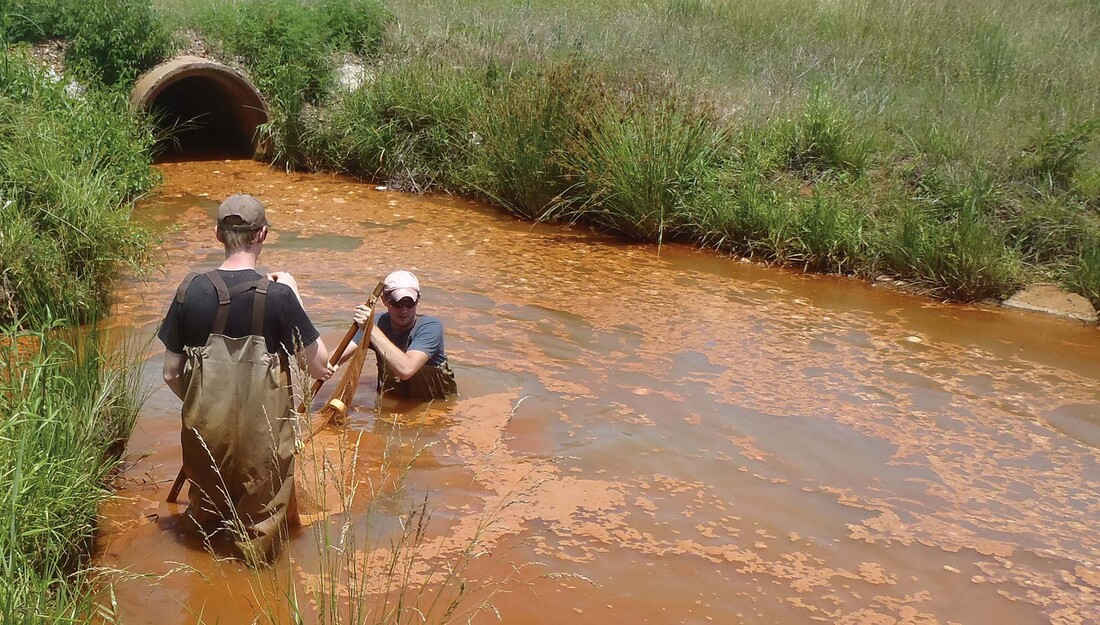
The Tar Creek Superfund site is the remains of a massive lead and zinc mining boom that fueled two World Wars but left behind 30 million tons of chemical-laced waste. For decades, the contamination poisoned local waterways and contributed to dangerously high lead levels in 34% of Quapaw children.
Frustrated by the slow pace of federal efforts, the Quapaw Nation took a bold step in 2013, signing a landmark agreement with the Environmental Protection Agency (EPA) to manage the cleanup themselves.
Restoring the “Catholic 40” and Beyond
The tribe’s first major success came at a site known as the “Catholic 40,” a historically significant area containing the ruins of a 19th-century boarding school. Under tribal leadership, workers excavated 108,000 tons of waste while carefully preserving cultural artifacts for the tribal museum.
Since then, the operation has scaled up significantly:
7 Million Tons Removed: Tribal environmental specialists have cleared over 7 million tons of mine waste from the landscape.
600+ Acres Remediated: Previously unusable land has been restored to productive use through soil amendments and native plantings.
Economic Revival: The cleanup has created nearly 100 jobs, with approximately half held by Quapaw citizens.
Farming for the Future
The ultimate goal is food sovereignty. Remediated parcels like the “Bird Dog” site are already being used for row crops, and the tribe now maintains a significant herd of bison and Black Angus cattle. By rotating livestock and using regenerative grazing, they are rebuilding topsoil that experts say would take 500 years to form naturally without intervention.
“We don’t want to ever leave a site where it’s just a wasteland,” said one tribal environmental official. “Healing the land is healing our home”.
While the full cleanup of the 40-square-mile site may take decades more, the Quapaw Nation has already proven that with tribal leadership and modern science, even the most toxic legacies can be transformed into a healthy future.