
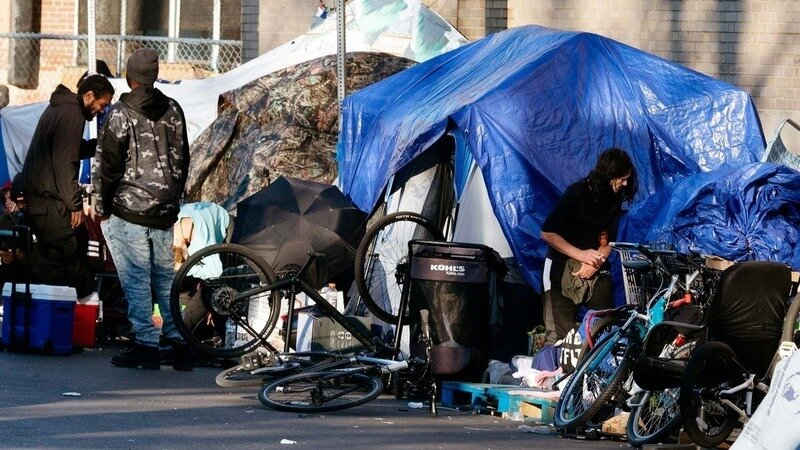




SANTA FE, NM — In a pioneering move to combat the growing crisis of student instability, New Mexico has officially launched the “Pathways to Graduation” initiative. The program provides a $500 monthly stipend to high school students identified as experiencing homelessness, marking the first statewide effort of its kind in the United States to use direct cash transfers as a tool for educational retention.
The program, which began its pilot phase this month, aims to remove the immediate financial barriers that often force vulnerable teenagers to choose between attending class and finding their next meal or a safe place to sleep. According to the New Mexico Public Education Department, there are currently over 10,000 students in the state who lack a fixed, regular, and adequate nighttime residence.
“We are asking these children to master algebra and history while they are worried about where they will park their car to sleep or if they can afford a coat for the winter,” said State Senator Elena Rodriguez, a primary advocate for the bill. “This stipend isn’t a gift; it is a floor. It provides a tiny bit of solid ground so they can keep their eyes on their diplomas.”
The stipend is distributed via pre-paid debit cards and comes with “no strings attached” regarding how the money is spent. However, to remain eligible, students must maintain a minimum attendance record and meet regularly with a school counselor or a designated program mentor. This structure is designed to keep students tethered to their school community while giving them the dignity to address their own most urgent needs.
Early data from similar, smaller-scale pilots in cities like Vancouver and San Francisco suggests that when unhoused individuals receive direct cash, the majority of the funds are spent on essentials: food, transportation, clothing, and hygiene products.
For 17-year-old “Jordan,” a high school junior in Albuquerque who asked to use a pseudonym for privacy, the first $500 payment has already been transformative. Jordan has been bouncing between couches and a local youth shelter since last summer.
“Before the stipend, I was spending four hours a day just figuring out how to get a bus pass or where to find a laundry mat I could afford,” Jordan said. “Now, I can pay for a reliable phone plan to do my homework and keep a locker at a gym so I can shower before school. For the first time in a year, I’m not arriving at first period exhausted from just surviving the night.”
Critics of the program have raised concerns about the lack of oversight on how the cash is used, suggesting that funds could be mismanaged. However, state officials argue that the administrative costs of “policing” every purchase would outweigh the benefits. They point to the “Housing First” philosophy, which suggests that stability is the necessary precursor to any other form of success.
The “Pathways to Graduation” initiative is funded through a combination of state educational reserves and private philanthropic grants. If the first year proves successful in raising graduation rates among the participant group, the state legislature has indicated a willingness to make the program a permanent fixture of the New Mexico budget.
“Success for us looks like a student walking across that stage in a cap and gown,” said Dr. Michelle Arviso, a district superintendent. “If $500 a month is what it takes to ensure a child doesn’t disappear from our rolls and into the cycle of chronic homelessness, it is the best investment this state can make.”
As the school year progresses, educators across the country are watching New Mexico closely. If the program yields the expected results, it may serve as a blueprint for other states struggling to support their most at-risk students in an increasingly expensive world.