
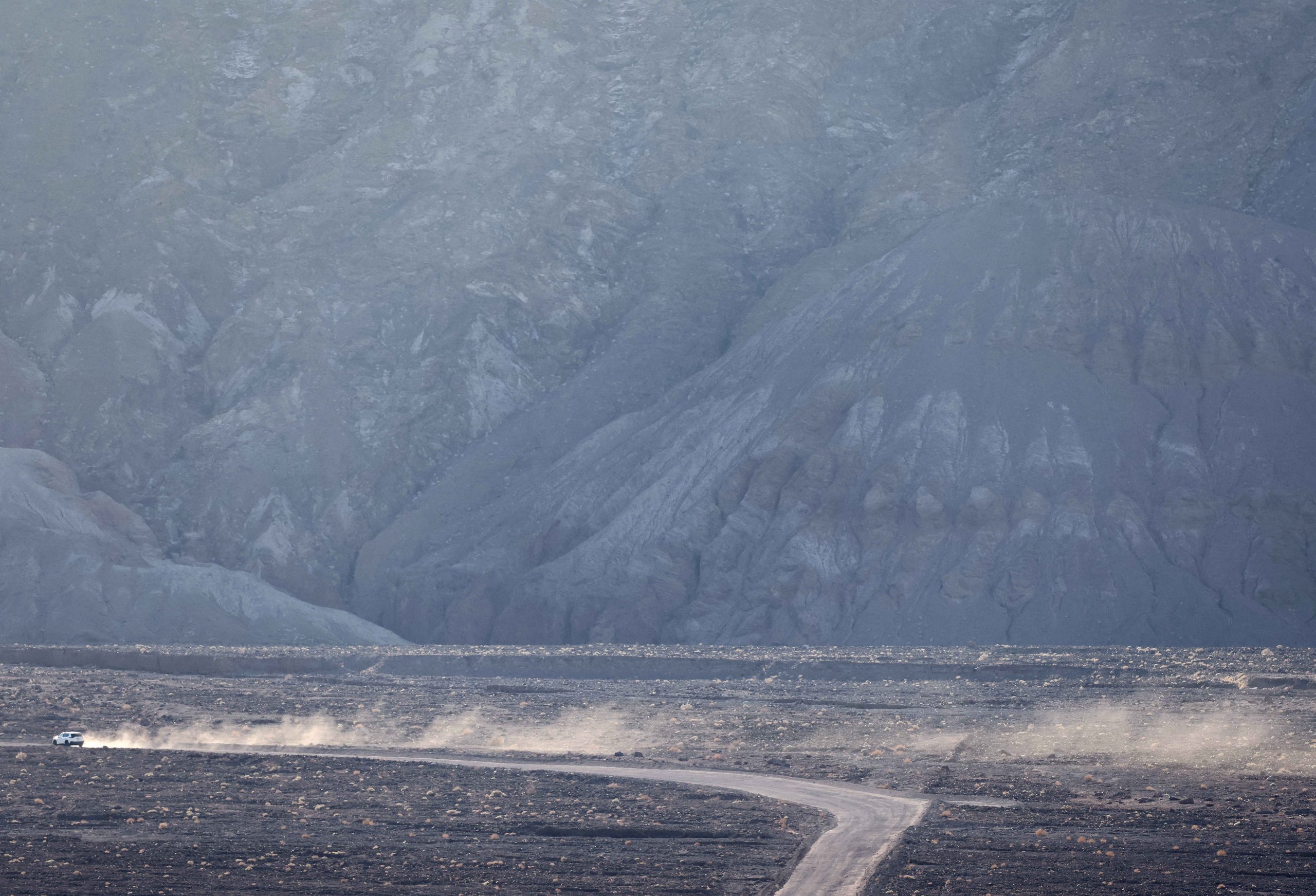




In a world that often feels increasingly loud, a profound silence is reclaiming the American wilderness. The National Park Service (NPS) has reported a record-breaking trend for the current travel season: “Quiet Growth.” While iconic landmarks remain popular, a new generation of travelers is bypassing the crowded photo-ops in favor of the deep, restorative stillness found in the country’s hidden gems.
From the star-filled basins of Nevada to the fog-drenched forests of Isle Royale, the American public is rediscovering the value of silence as a natural resource.
The Search for “Soundscape Integrity”
For decades, the metric of success for a National Park was the sheer volume of visitors. Today, the metric is shifting toward “Soundscape Integrity.” Travelers are trading the bustling boardwalks of Yellowstone for the wind-swept silence of Great Basin National Park. This shift toward “Quiet Tourism” is helping to distribute foot traffic more evenly across the 63 National Parks, protecting over-visited ecosystems while bringing vital support to lesser-known wilderness areas.
“People aren’t just looking for a view anymore,” says one park ranger in the North Cascades. “They are looking for a feeling. They want to hear the sound of a hawk’s wings or the trickle of a snowmelt stream without the hum of a distant engine. They are coming here to listen to the Earth breathe.”
The Health of the Silent Trail
The benefits of this trend extend beyond conservation. Modern research into “Forest Bathing” and acoustic ecology suggests that even a few hours of natural silence can significantly lower cortisol levels and improve cognitive function. This has turned America’s quieter parks into “Wellness Destinations.”
In the Midwest, Voyageurs National Park has seen a surge in night-sky tourism, where the absence of light and sound pollution allows for a meditative experience under the Northern Lights. Similarly, the “Quiet Parks International” movement is working with the NPS to designate specific wilderness zones as “Quiet Trailheads,” where hikers are encouraged to keep voices low and electronics off, preserving the acoustic sanctity of the trail for everyone.
A Communal Respect for the Wild
Perhaps the most inspiring aspect of “Quiet Growth” is the way it has changed visitor behavior. There is a renewed sense of “Leave No Trace” that now includes noise. Families are teaching children to identify bird calls rather than playing music on portable speakers. Photography enthusiasts are waiting patiently for hours in silence to capture a single shot of a moose, respecting the animal’s space and the park’s peace.
This collective mindfulness is creating a higher quality of life for the wildlife and a more profound experience for the traveler. It is a reminder that some of the most powerful experiences in nature don’t require a megaphone—they require an open ear and a quiet heart.
Preservation for the Future
As we look toward the next century of the National Park System, “Quiet Growth” offers a sustainable blueprint. By valuing the stillness of the wilderness, we ensure that these lands remain sanctuaries not just for biology, but for the human spirit. The American wilderness is speaking; all we have to do is be quiet enough to hear it.