



The jagged peaks of the Tetons and the moss-draped silence of the Everglades are calling, and in 2026, the gates are swinging wider than ever before. As the United States prepares for the “America 250” celebration—marking two and a half centuries since the signing of the Declaration of Independence—the National Park Service (NPS) has announced a historic expansion of its free entrance program.
This year, the NPS is offering eight designated free entrance days, a strategic move to ensure that the nation’s “crown jewels” are accessible to every citizen, regardless of their zip code or bank balance. From the red rocks of Utah’s “Mighty Five” to the historic battlefields of Virginia, the message is clear: these lands belong to the people, and the celebration of America’s story starts in the wild.
The timing is particularly motivational for the “road trip” generation. With international travel costs fluctuating, many Americans are turning their gaze inward, rediscovering the vast diversity of their own backyard. The “America 250” initiative isn’t just a birthday party; it is a nationwide invitation to reconnect with the physical soul of the country.
“Our parks are the living pages of American history,” says National Park Service Director Charles Sams.
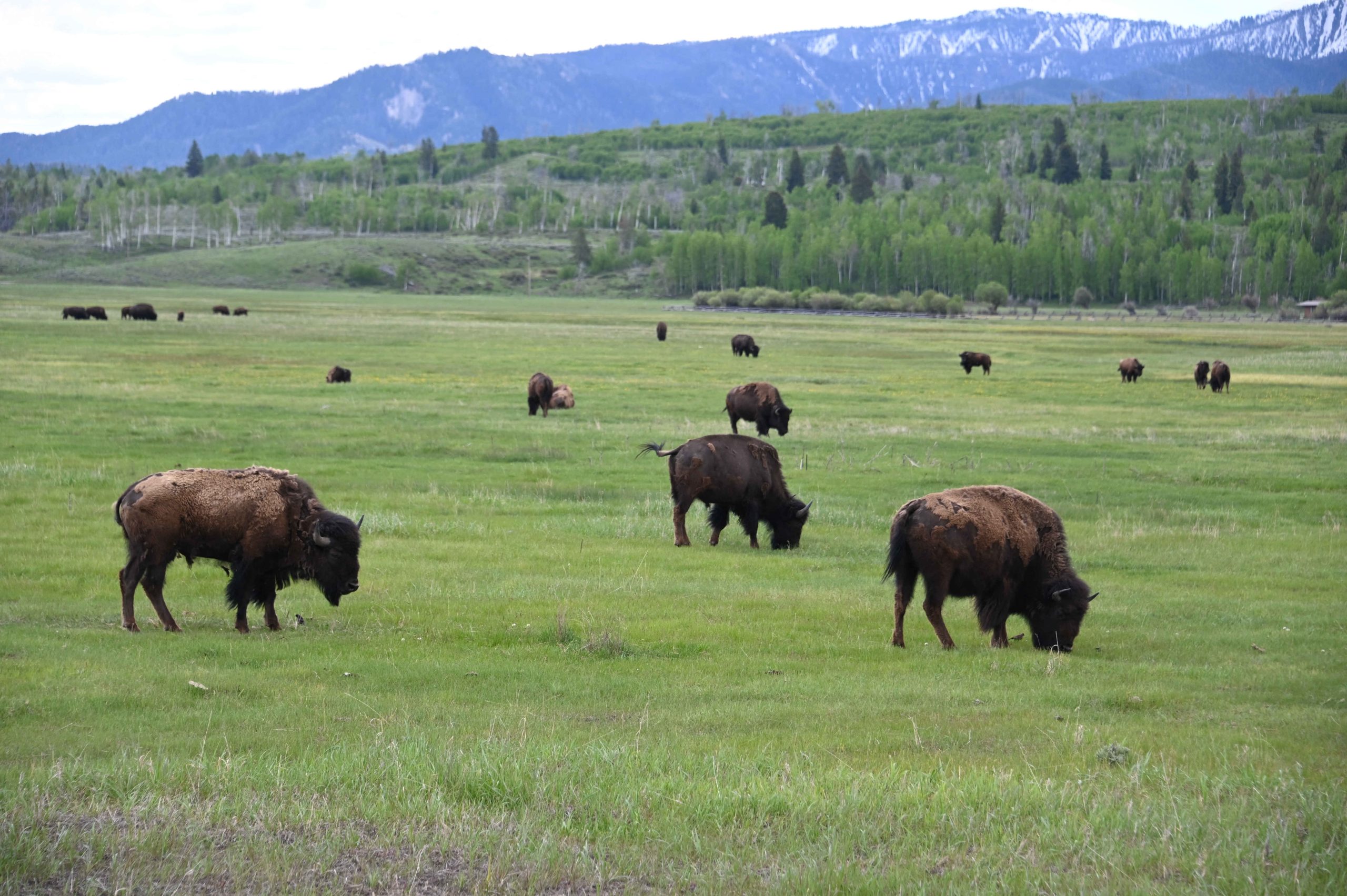
“By removing the financial barrier for these special days, we are inviting families to create their own history within these landscapes. Whether it’s your first time seeing a bison in Yellowstone or a return to the Great Smoky Mountains, these experiences define us as a nation.”
The impact of this program extends far beyond the park boundaries. Local “gateway communities”—the small towns that sit at the entrances of these parks—are bracing for a surge in “patriotic tourism.” In towns like Mariposa, California, and Springdale, Utah, local businesses are launching “250 Specials,” offering discounts to travelers who visit during the free windows. This synergy between the federal government and local commerce is providing a significant economic boost to rural America.
Furthermore, the NPS has launched a digital “National Park Passport: 250 Edition.” This mobile app allows visitors to collect virtual stamps and share their stories of “finding home” in the wild. It’s a modern twist on a classic tradition, designed to engage a younger, more tech-savvy audience in the stewardship of our natural resources.
As we look toward the grand celebrations of July 2026, these free entrance days serve as a powerful reminder of the democratic ideal that founded the park system. In a world that often feels divided, the quiet grandeur of a National Park offers a rare common ground. There is no political leaning in a sunrise over the Grand Canyon; there is only awe.
For the vacationer planning their 2026 calendar, the “America 250” program is the ultimate motivator. It is a chance to stand where history was made, to breathe air that hasn’t changed in centuries, and to celebrate the enduring beauty of the American experiment.