




MICHAEL CASEY
Associated Press
BOSTON (AP) — A federal judge said Friday that she expects to temporarily block efforts by the Trump administration to end a program that offered temporary legal protections for more than 10,000 family members of citizens and green card holders.
U.S. District Judge Indira Talwani said at a hearing that she planned to issue a temporary restraining order but did not say when it would be issued. This case is part of a broader effort by the administration to end temporary legal protection for numerous groups and comes just over a week since another judge ruled that hundreds of people from South Sudan may live and work in the United States legally.
“The government, having invited people to apply, is now laying traps between those people and getting the green card,” Justin Cox, an attorney who works with Justice Action Center and who argued the case for the plaintiffs, said. “That is incredibly inequitable.”
This case involved a program called Family Reunification Parole, or FRP, and impacts people from Colombia, Cuba, Ecuador, El Salvador, Guatemala, Haiti and Honduras. Most of them are set to lose their legal protections, which were put in place during the Biden administration, by Jan. 14. The Department of Homeland Security terminated protections late last year.
The case involves five plaintiffs but lawyers are seeking to have any ruling cover everyone that is part of the program.
“Although in a temporary status, these parolees did not come temporarily; they came to get a jump-start on their new lives in the United States, typically bringing immediate family members with them,” plaintiffs wrote in their motion. “Since they arrived, FRP parolees have gotten employment authorization documents, jobs, and enrolled their kids in school.”
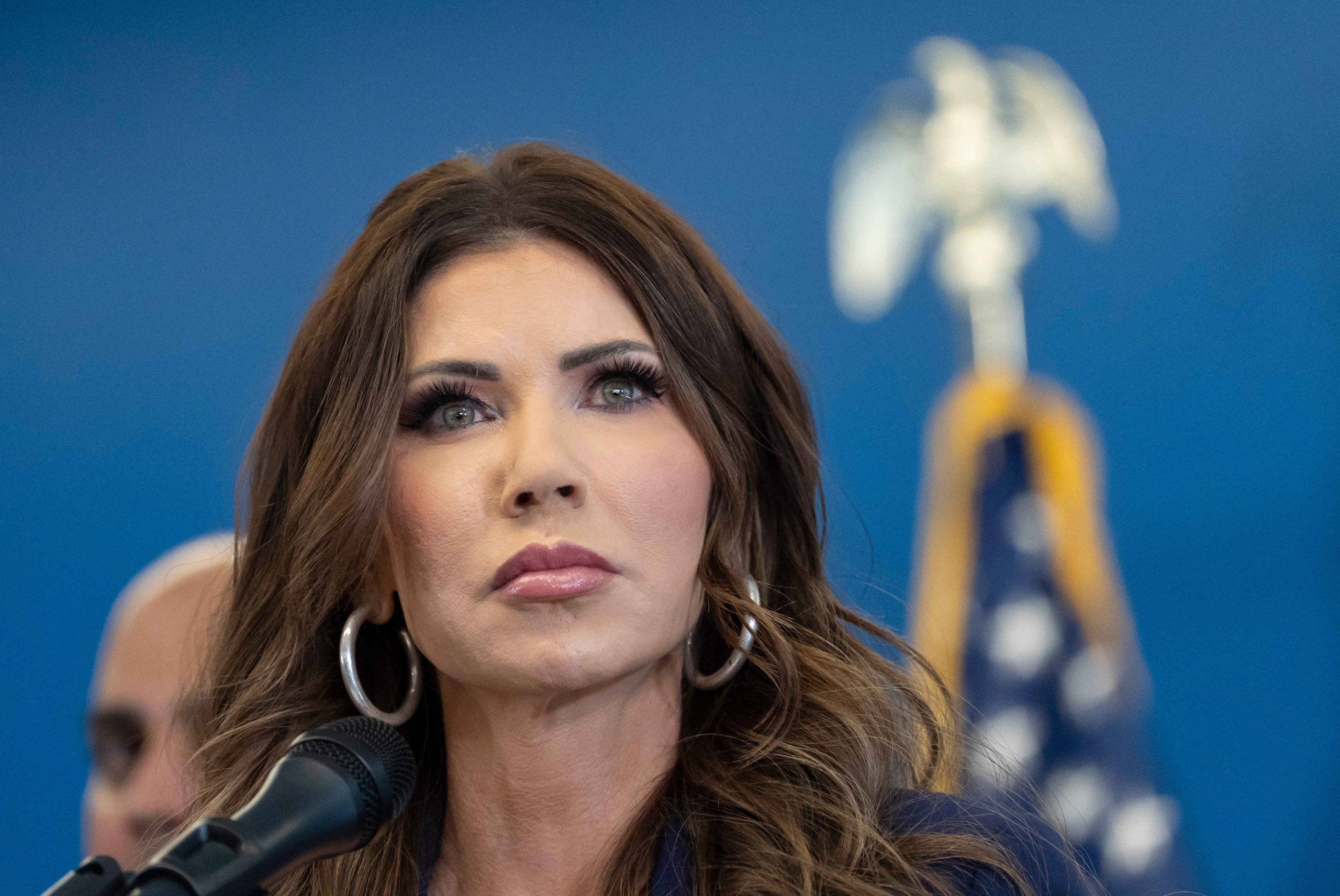
The government, in its brief and in court, argued Homeland Security Secretary Kristi Noem has the authority to terminate any parole program and gave adequate notice by publishing the termination in the federal registry. It also argued that the program’s termination was necessary on national security grounds because the people had not been property vetted. It also said resources to maintain this program would be better used in other immigration programs.
“Parole can be terminated at any time,” Katie Rose Talley, a lawyer for the government told the court. “That is what is being done. There is nothing unlawful about that.”
Talwani conceded that the government can end the program but she took issue with the way it was done.
The government argued that just announcing in the federal registry that it was ending the program was sufficient. But Talwani demanded the government show how it has alerted people through a written notice — a letter or email — that the program was ending.
“I understand why plaintiffs feel like they came here and made all these plans and were going to be here for a very long time,” Talwani said. “I have a group of people who are trying to follow the law. I am saying to you that, we as Americans, the United States needs to.”
Lower courts have largely supported keeping temporary protections for many groups. But in May, the Supreme Court cleared the way for the Trump administration to strip temporary legal protections from hundreds of thousands of immigrants for now, pushing the total number of people who could be newly exposed to deportation to nearly 1 million.
The justices lifted a lower-court order that kept humanitarian parole protections in place for more than 500,000 migrants from four countries: Cuba, Haiti, Nicaragua and Venezuela. The decision came after the court allowed the administration to revoke temporary legal status from about 350,000 Venezuelan migrants in another case.
The court did not explain its reasoning in the brief order, as is typical on its emergency docket. Two justices publicly dissented.