

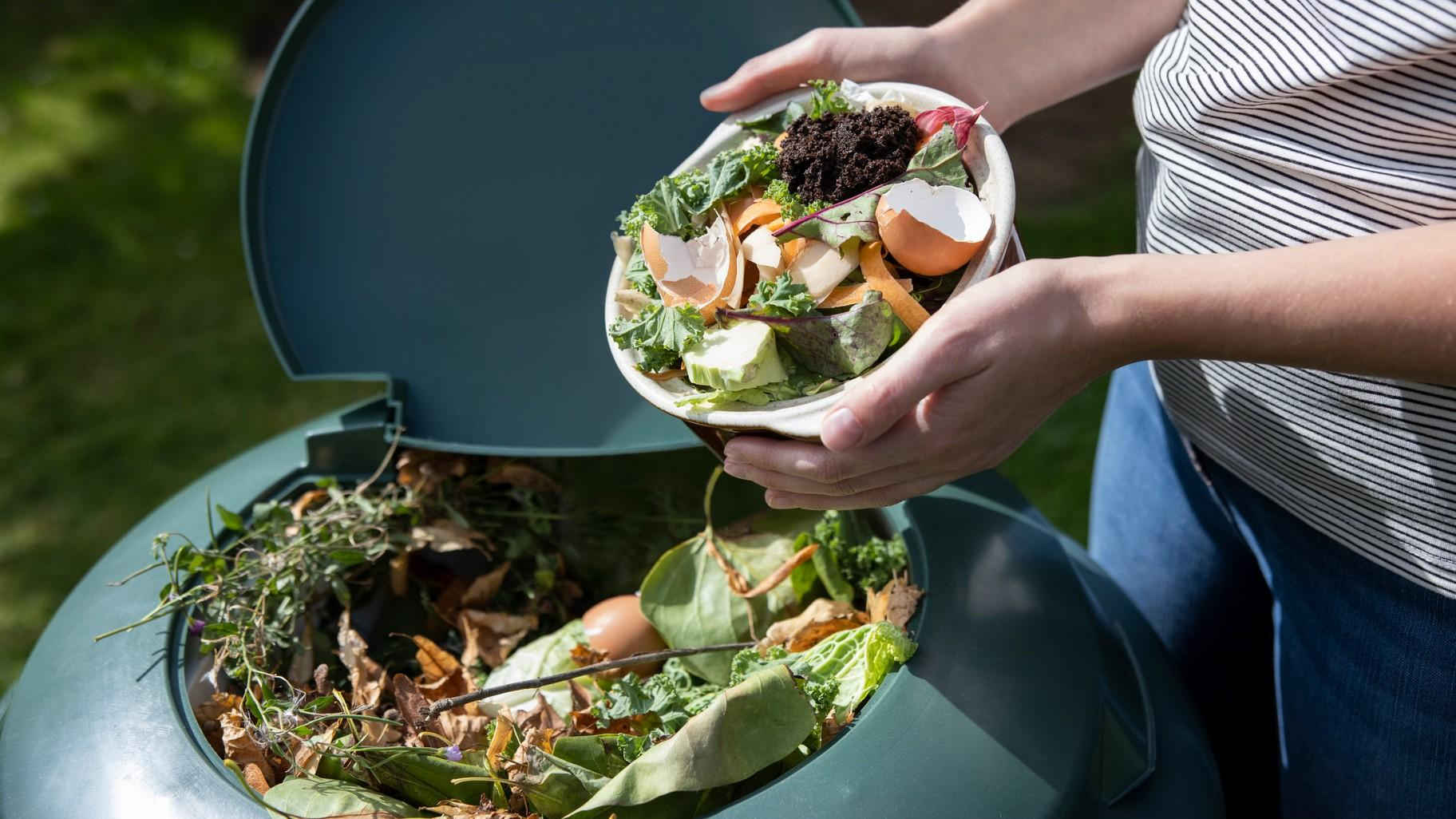




CHICAGO, IL — In the bustling heart of the “Windy City,” a quiet transformation is taking place under our feet. What was once destined for the dark depths of a landfill is now fueling a green renaissance across Illinois. This week, Chicago’s Department of Streets and Sanitation announced a major milestone: the city’s popular food scrap drop-off program has officially diverted more than one million pounds of organic waste since its inception.
What began as a modest pilot project with a few green bins in local wards has blossomed into a city-wide movement. Today, residents from Rogers Park to Beverly are trading their trash cans for compost buckets, proving that urban dwellers are eager to play a direct role in environmental stewardship.
Turning waste into wealth
The success of the program lies in its simplicity. By providing accessible drop-off points at community gardens and city lots, Chicago has made it easy for residents to separate their coffee grounds, banana peels, and leftovers from general refuse. This “black gold,” as gardeners call it, is then processed and returned to the earth as nutrient-rich compost.
“Seeing that million-pound mark is an incredible feeling,” said Angela Vasquez, a volunteer coordinator at a community garden in Logan Square. “It’s physical proof that small, daily choices by thousands of people add up to a massive, positive impact on our soil and our air.”
A statewide ripple effect
The momentum in Chicago isn’t staying within city limits. A landmark piece of state legislation recently went into effect, requiring large-scale event facilities—such as stadiums, convention centers, and concert halls—to implement comprehensive composting services. This move positions Illinois as a regional leader in the fight against food waste, ensuring that the remnants of a sold-out ballgame or a massive trade show are recycled back into the ecosystem rather than contributing to methane emissions in landfills.
In Springfield and Peoria, local officials are watching Chicago’s success closely. Several mid-sized cities in Central Illinois have already begun scouting locations for their own municipal drop-off sites, inspired by the high participation rates and the sheer volume of waste diverted in the northeast.
The economic “green” seed
Beyond the environmental benefits, the composting boom is sowing seeds for a new sector of the local economy. From specialized hauling companies to industrial-scale composting facilities, “green-collar” jobs are on the rise. These businesses are finding innovative ways to turn a “waste product” into a marketable resource for local farmers and landscapers.
“We’re closing the loop,” explained Dr. Marcus Thorne, an environmental scientist at the University of Illinois. “The food grown on Illinois farms comes to the city, the scraps are composted, and that compost goes back to the farms to grow the next harvest. It’s the ultimate sustainable circle.”
A greener future for the next generation
For many Illinois families, the program has become a teaching tool. At the North Side drop-off point, it’s common to see parents explaining the process of decomposition to their children as they empty their weekly bin.
“My kids call it ‘feeding the earth,’” said Sarah Jenkins, a mother of two. “It makes them feel like they are doing something real to help the planet. They aren’t just reading about climate change in school; they’re participating in the solution every Tuesday morning.”
As Illinois continues to expand its facilities and outreach, the goal is clear: to make food scrap recovery as common and effortless as recycling a soda can. With over a million pounds already saved, the state is well on its way to a cleaner, greener, and more resilient future.