



Etnia Nativa: Your peek into Native magic, healing the spirit.
Article by Etnia Nativa call us 592 2702 and book your experience!
Etnia Nativa celebrates the island’s native ethnicity—linking our ancestral roots to survival knowledge, herbal wisdom, practical know-how, the ability to navigate by reading the stars, and the skill to predict the weather. These are the ways of our elders, passed down from their elders through unfathomable generations. Aruba’s identity is deeply rooted in this ancestral heritage.
In this new episode Etnia Nativa introduces you to a delicious fruit of coastal origins, from where an exquisite beverage was prepared of, a wine of heritage.
Along the wind-kissed coasts of Aruba, where the sea breathes life into every grain of sand, there once stood generous groves of Druif di Lama—known in English as the Sea Grape (Coccoloba uvifera). This remarkable tree, long treasured by native Arubans, offered more than just fruit: it provided sustenance, shade, resilience, and a presence deeply intertwined with island life. (See Episode 252 of Island Insight for a full exploration of its characteristics and uses.)
Today, these trees are far less abundant, reduced to scattered survivors along beaches where they once thrived in great numbers. Yet those who know their worth continue to honor the Sea Grape as a symbol of heritage—one that still inspires artisanal traditions such as our homemade wine.
The Sea Grape, a proud member of the Polygonaceae family, flourishes naturally along the shores of the Caribbean. Its strength against fierce coastal winds and salty air makes it a natural guardian of beaches. In return, it offers wide, cooling leaves that cast generous shade and clusters of fruits that vary from pale green to deep violet-red. Despite its rugged nature, these trees grow quickly with irrigation, rewarding patience with abundant fruit when properly cared for.
Sea Grape fruits are small—only up to 2 cm—and they ripen unevenly, meaning each one must be picked by hand with care. Peel back their thin, opaque skin and you’ll reveal a jewel-like pulp: glassy, sweet-and-sour, and ranging in color from reddish-purple to translucent greenish-white. Nearly every fruit contains a large, woody seed up to 1.5 cm, leaving only a thin layer of pulp to work with. But this hasn’t stopped Caribbean communities from transforming these modest fruits into compotes, jams, jellies, juices—and most poetically, wine.
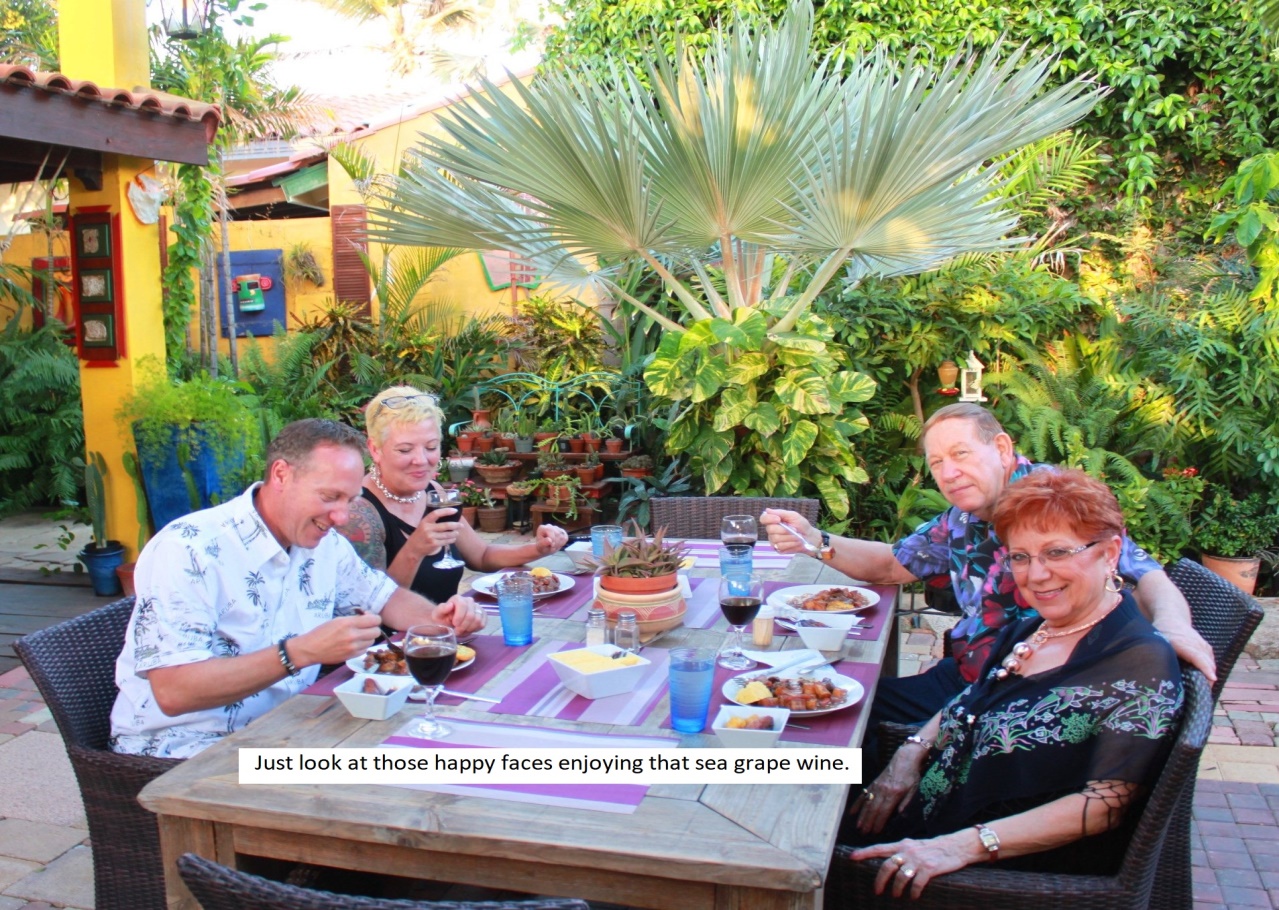
Sea grape wine celebrates creativity and tradition, meticulously handcrafted with warmth, patience, and the unmistakable artistry of Etnia Nativa for the enjoyment of family.
Each year in early October, we begin by collecting grapes that grow in the wild, rinsing them thoroughly, and checking them for ripeness. We then mix the green and purple grapes. Once clean, we gently boil them for 10 to 15 minutes to soften the fruit and release their juice. While still warm, we crush the grapes and carefully remove the seeds and skins. The juice is then mixed with water and sugar, stirring until the sugar fully dissolves.
When the mixture becomes lukewarm, we add the yeast, cover it, and let it rest in a warm place for 24 hours. The next day, we transfer it to a sterilized jar and allow it to ferment for 3 to 5 days, adjusting the sweetness if needed. We strain the juice once more and pour it into clean bottles, storing them in a cool, dark place for at least two months to develop optimal flavor.
Our simple, ancient method echoes the resourcefulness of generations who used what nature provided—never wastefully and always with intention. Time becomes the final ingredient: the wine matures until it reaches its mellow, sun-kissed character.
Craftsman Sea Grape wine is more than a drink—this is not industrial winemaking. This is heritage. It is a preservation of memory, a revival of a native fruit once central to island life, and a toast to the creativity of Aruban traditions. Each sip carries the story of Aruba’s coastline, the resilience of its trees, and the hands that continue to keep ancient practices alive.
If you’ve enjoyed discovering this story and wish to delve deeper into the true Aruba, we invite you to discover Etnia Nativa—the island’s only ‘living museum,’ celebrating its rich mestizo heritage (cultural blending). Visits are by appointment only: WhatsApp +297 592 2702 etnianativa03@gmail.com