




Etnia Nativa: Your peek into Native magic, healing the spirit.
Article by Etnia Nativa call us 592 2702 and book your experience!
Etnia Nativa explores the indigenous heritage and external influences that shaped the Aruba we know today. It honors ancestral wisdom passed down by the island’s first inhabitants—survival skills, medicinal plant knowledge, practical crafts, astronomical navigation, and the reading of weather patterns. Preserved through generations, these traditions continue to shape Aruba’s cultural identity and affirm an enduring bond between the island, its people, and the land.
In this new episode, Etnia Nativa reveals a deeper truth: Aruba is far older than the image often presented to the consumer world.
Long before Aruba became a modern tourist icon, its shores were reached by determined peoples. Nearly 3,000 years ago, agricultural and pottery-making communities from the Amazon and Orinoco River basins arrived—some by land, others by river, and eventually by the open sea. These Arawakan-speaking farmers and rainforest hunters mastered canoe navigation, allowing them to reach and settle throughout the Caribbean.
They transformed the region. Absorbing knowledge and displacing from earlier Paleolithic populations, they settled islands once covered in lush Prosopis forests and dense mangrove coastlines. Aruba offered abundance: rich fishing waters, fertile soil, and wildlife capable of sustaining entire communities.
From these first settlers emerged the Caquetío people—the first known native Arubans—whose legacy still resonates beneath the island’s surface.
When Spanish explorers arrived, they did not encounter an empty island, but a prosperous and organized society. The Caquetío lived in kinship-based communities led by a cacique (chief), whose influence extended from Aruba deep into the South American mainland.
Their social structure emphasized balance rather than hierarchy. Status was not defined by wealth or dominance, but by age, responsibility, and the shared duty to protect the community. Leadership emerged primarily during times of conflict, while daily life revolved around the generosity of the good spirits, communal cooperation, agricultural expertise, and profound respect for the land.
They practiced slash-and-burn agriculture, cultivating cassava, corn, sweet potatoes, yams, peanuts, beans, squash, and fruit—transforming them into staple foods still known today: arepas, funchi, pan bati, tamales, ayacas, and cachapas. Supported by the bounty of the sea and the hidden richness of the mangroves, villages remained rooted for generations.
For the Caquetío people, Aruba was never a commodity. It was home—”Nos Baranca Stimá” our beloved rock, protected, understood, and alive in the hearts of its people. That native legacy lives on among Arubans who grew up listening to their grandparents’ stories, passed down through generations.
To preserve and share this heritage, Etnia Nativa was born. Located in a private residential setting, this house-museum offers an immersive journey through native art, archaeological artifacts, and historic furnishings. Each piece tells a story often absent from textbooks. Even the structure itself—carefully crafted using recycled materials—reflects continuity, resilience, and care.
Visitors do more than observe history; they engage with it. As explored in each weekly installment of this newspaper, every object, artwork, and conversation at Etnia Nativa invites the public to experience Aruba through a native lens—one that fosters renewed respect for the island’s fragile ecosystem and its profound cultural depth.
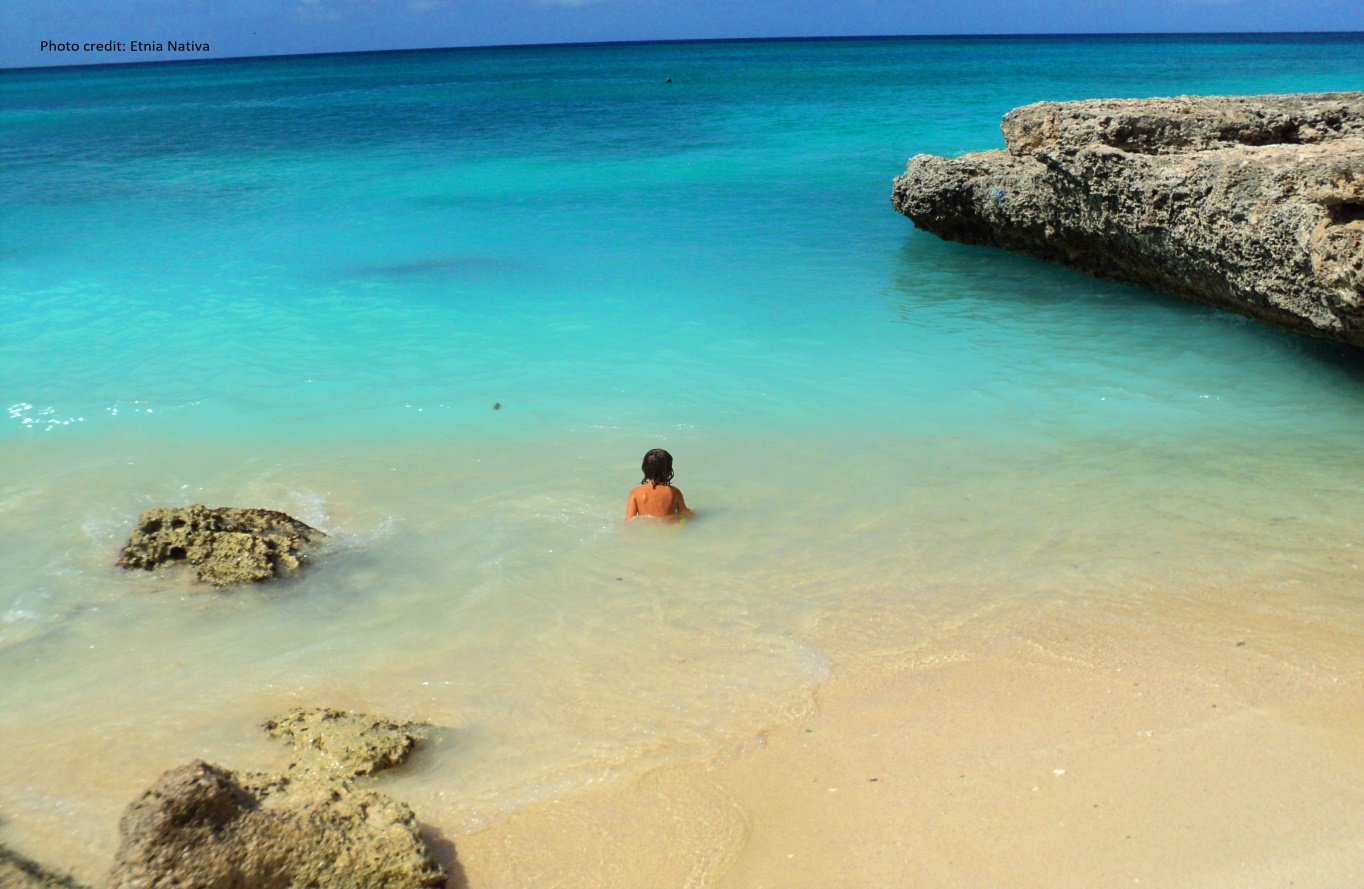
For those who love Aruba not only for its beaches, but for its origins, its people, and its enduring spirit, Etnia Nativa offers a rare opportunity: to feel the island more deeply, and to understand it more truthfully.
If you love Aruba not only for its beaches, but for its origins, its people, and its enduring spirit, experience Etnia Nativa—and leave the island loving it even more than when you arrived. By appointment only: WhatsApp +297 592 2702 etnianativa03@gmail.com