




Etnia Nativa: Your peek into Native magic, healing the spirit.
Article by Etnia Nativa call us 592 2702 and book your experience!
Each week in this cultural space, Etnia Nativa, one of Aruba’s foremost advocates for the preservation of the island’s heritage, invites readers to rediscover the history, identity, and living traditions that have shaped Aruba for generations.
In this new episode, Etnia Nativa brings the story of Oranjestad to life—a journey that connects visitors with Aruba’s mystical past, cultural heritage, and colonial history. At the heart of this story is Jacob Thielen I, a key figure from Aruba’s colonial era who proposed the name “Oranjestad” for the island’s capital. His legacy carries an even deeper connection: he was the maternal great-great-grandfather of the owner and curator of Etnia Nativa Aruba.
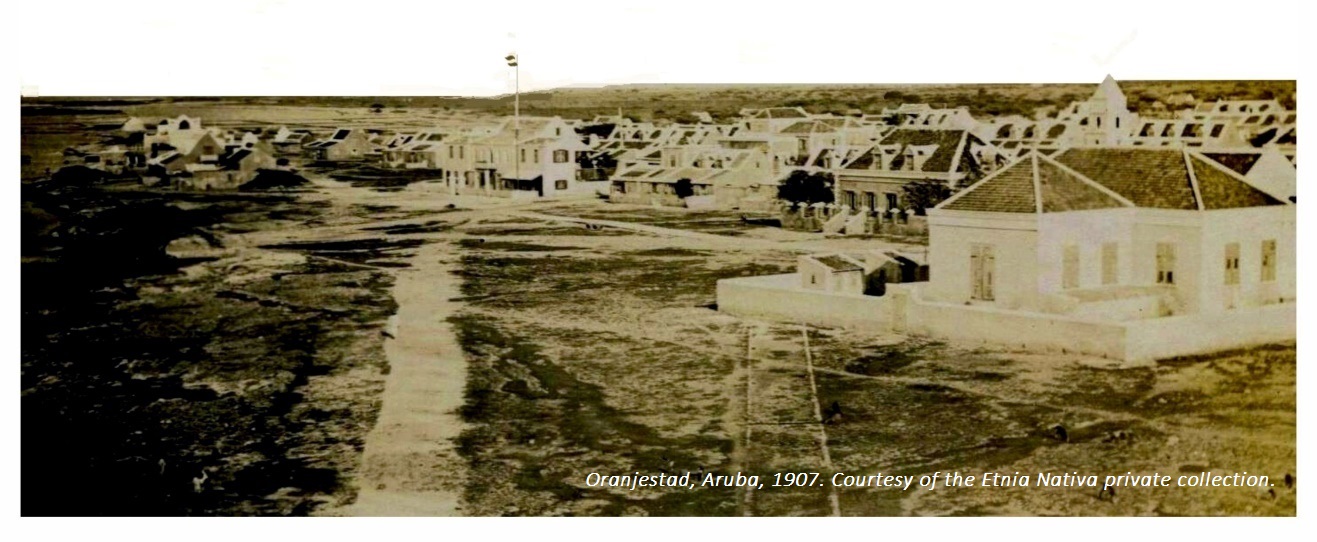
The transformation of Playa, now known as Oranjestad, began after the completion of Fort Zoutman in 1797. Until then, European settlers, including White Protestant families who had lived in Ponton, gradually moved toward the bay area to establish stone houses closer to the harbor. Although Ponton offered space and a strategic view of Aruba’s southern and western coasts, its distance from the ships entering the bay made Playa a more practical location for growth.
Historical records indicate that in 1797 there was not yet a single stone house standing in Playa or Paardebaai. Just eight years later, in 1805, the settlement had grown to 32 stone houses, marking the beginning of what would become Aruba’s capital city.
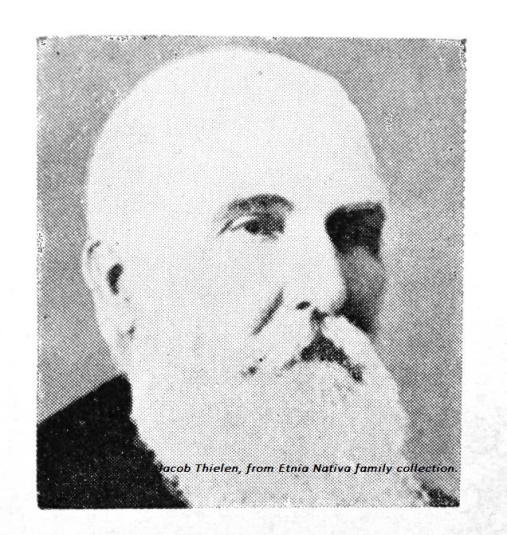
During this period, Vice Commander Jan van der Biest of Fort Zoutman governed Aruba. In 1821, Jacob Thielen I succeeded him as commander. Coming from a prominent family with roots in Curaçao dating back to 1715, Thielen had served as a lawyer, secretary, and member of the Court of Justice of Curaçao. Recognized for his leadership and knowledge, he was appointed vice commander on January 1, 1822, an occasion celebrated with a salute of eleven cannons.
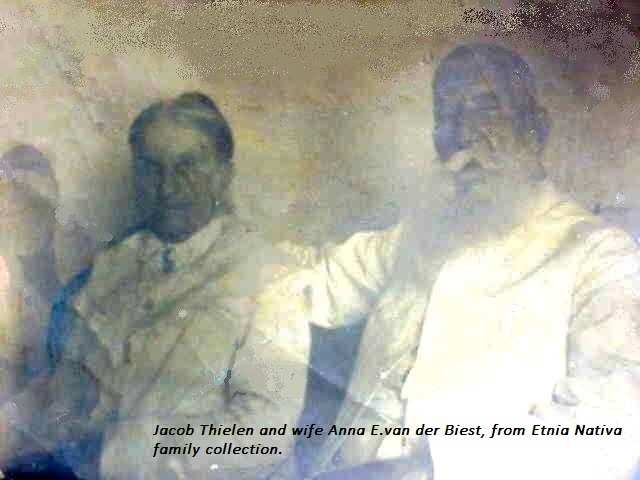
Jacob Thielen played an important role in Aruba’s development. His commitment to economic progress and administrative reform led to significant changes, including the government regulations introduced in 1823. According to family historical records, on August 3, 1824, Thielen proposed the name “Oranjestad” (Orange City) for the town located along Paardebaai. The name was warmly welcomed, and the people celebrated with cheers of: “Long live Oranjestad! May it grow and prosper.”
Before 1790, Savaneta served as Aruba’s capital, but Oranjestad’s location offered a greater advantage due to its accessibility for ships and trade. Over time, it became the center of Aruba’s political and economic life.
Today, only a few historic structures remain as reminders of this important chapter in Aruba’s history. Among them is Fort Zoutman, dating back to 1796, whose outer walls represent the oldest existing building on the island. The tower in front of the fort, now a recognizable landmark, was constructed in 1868 as a public clock tower and was later converted into a lighthouse, with a clock added in 1929. It continued serving as a lighthouse until 1963, when the western entrance of the harbor was completed.
Visitors can still see the inscription “W III” on the tower, honoring King William III of the Netherlands, who was the reigning monarch at the time of its construction.
Through Etnia Nativa Aruba, the story of Oranjestad and the island’s rich heritage is not only preserved—it continues to live. It creates a meaningful connection between present generations and the people, traditions, and events that have shaped our island’s identity.
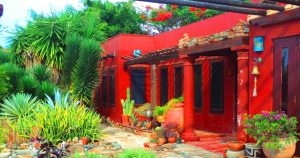
For travelers seeking authenticity beyond the usual tourist attractions, Etnia Nativa offers a unique opportunity: a genuine encounter with the spirit of Aruba. As Aruba’s hidden native cultural gem, it offers an authentic experience away from mass tourism, guided by a native artist, professional museologist, and independent researcher in archaeology and anthropology. The place invites visitors to go beyond a simple visit and connect deeply with the island’s stories, traditions, and living heritage.
Leave with more than memories and photographs; take home a deeper understanding and appreciation of our island, its people, and the heritage that continues to inspire generations.
Reserve your authentic cultural experience at Etnia Nativa Aruba.
WhatsApp: +297 592 2702 Email: etnianativa03@gmail.com