




Etnia Nativa: Your peek into Native magic, healing the spirit.
Article by Etnia Nativa call us 592 2702 and book your experience!
Etnia Nativa delves into Aruba’s indigenous culture and the wisdom passed down by its earliest inhabitants—knowledge of survival techniques, medicinal plants, practical skills, celestial navigation, and weather patterns. These traditions have been preserved across generations, continuing to shape Aruba’s cultural identity and reinforcing the island’s enduring bond between its people, their knowledge, and the land itself.
In this episode, we examine the urgent need to balance progress with preservation. Aruba is growing rapidly through construction, infrastructure expansion, and economic development. While these changes bring benefits, they also pose serious threats to the island’s natural environment and cultural heritage. Illegal construction, unsupervised activities, and unsustainable development practices are increasingly damaging the land, subsoil, and invaluable ecological and archaeological resources—losses that may be impossible to recover.
The alteration of our natural landscapes is having lasting consequences on our peace of mind. The little organic topsoil that remains is being destroyed without consideration. This destruction extends beyond ecosystems, threatening cultural heritage and marine life as well. In many ways, it alters sacred landscapes that connect the people of the land with the Aruba’s past.
As an independent NGO, our tireless efforts contribute our grain of sand by advocating for and inspiring communities, foundations, and government officials to work together. Our goal is to develop an educational rediscovery approach based on historical and scientific facts, while simultaneously digitizing tangible and intangible cultural heritage treasures in the broadest sense related to nation-building.
The urgency of identifying, rediscovering, and protecting our ancient wisdom is undeniable. The pace of development increases daily. Ongoing genomic research on the island’s traditional inhabitants, along with studies of historical and colonial archives, has revealed new insights into our historical development. At the same time, online accessibility to public museums and related private collections is currently in progress.
Over recent decades, Aruba has seen the construction of numerous private housing projects, commercial buildings, shopping centers, parking facilities, and extensive road networks. Alongside new neighborhoods, schools, and community centers, these developments have contributed to ecological habitat reduction, the decline of endemic plant and animal species, and the disturbance or loss of archaeological sites. Imagine areas that were once largely undisturbed natural and cultural landscapes now transformed into luxury real estate developments.
Preserving historical buildings and archaeological resources requires collective awareness and objective decision-making. A large number of historic buildings that once stood in our capital, Oranjestad, have been replaced by modern commercial facilities. These resources should have formed part of Aruba’s tangible and intangible national heritage, contributing to a deeper understanding of the island’s identity and origins. Once damaged or destroyed, they become extremely difficult and costly to recover.
Public education plays an important role in explaining the value of preservation and the benefits of responsible land use. Salvage archaeology—often conducted when sites are under immediate threat—focuses on the rescue and recovery of valuable information. However, time and funding constraints can limit this work, meaning that some contextual data may be permanently lost.
Archaeological sites in Aruba—including prehistoric caves, rock art, burial sites, and settlement remains—provide direct evidence of early human activity, particularly from periods when written records were limited or absent. Preserving artifacts and their original context is therefore essential for accurate interpretation and future study.
A commonly accepted principle in archaeology and history is to leave remains in their original location whenever possible. Advances in technology may allow future researchers to obtain more detailed information than is currently possible. This principle guides the work of organizations such as Etnia Nativa, which focuses on Aruba’s ethnic roots, the agro-pottery culture, and the relationship between cultural heritage and the natural environment.
Etnia Nativa collaborates with Aruba’s Archaeological Department and other science-oriented organizations to protect archaeological resources or, when necessary, conduct responsible salvage operations. These “grain-of-sand” efforts aim to document and preserve materials that might otherwise be lost.
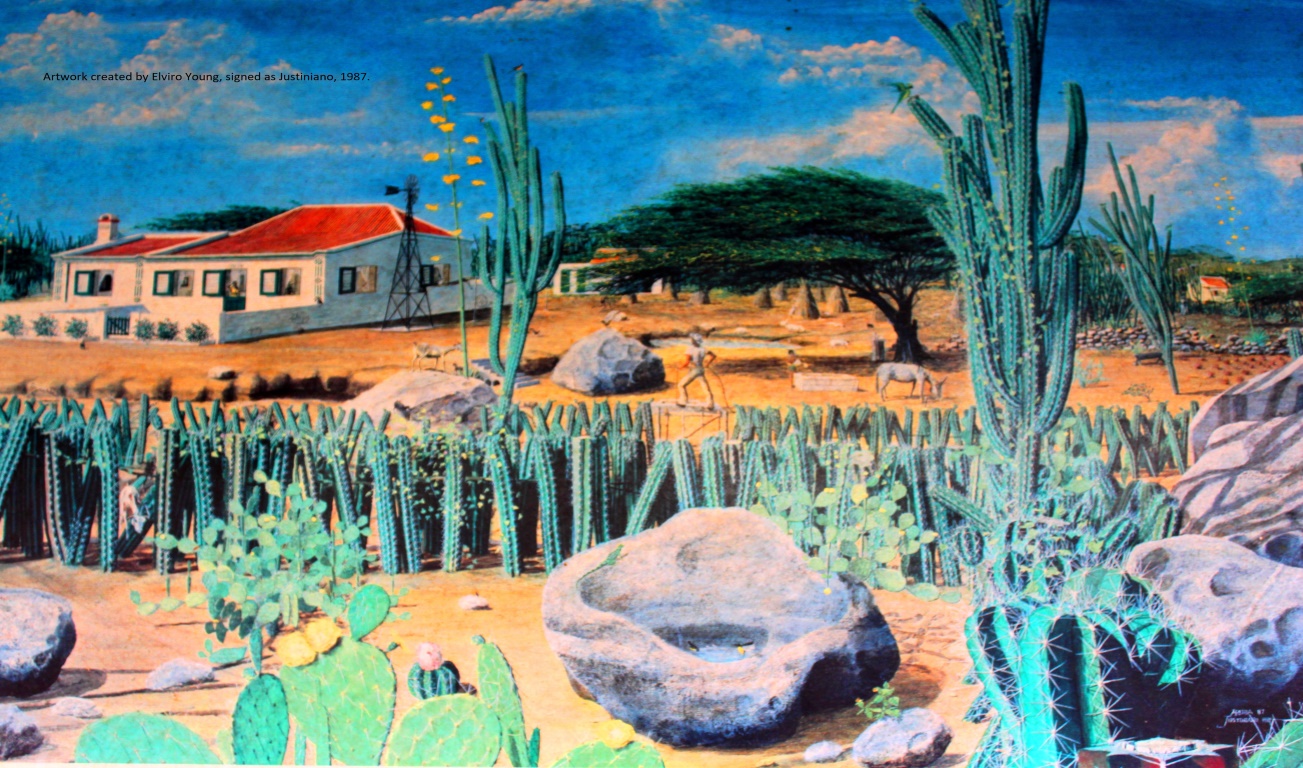
Historically, Aruba’s landscape included widespread Kwihi trees (Prosopis juliflora), particularly around Oranjestad, and metates made of local stone were commonly found in Aruban homes. These elements reflect the island’s agro-pottery heritage. Today, some of these materials are preserved through salvage and educational initiatives, where visitors can learn about archaeological objects, native art, and traditional practices through guided interpretation.
As Aruba continues to grow, balancing development with the preservation of its heritage and natural environment remains a challenge. Overdevelopment can transform the land in ways that disconnect it from its history—but with thoughtful planning and public awareness, we can ensure progress coexists with the island’s rich cultural and ecological legacy.
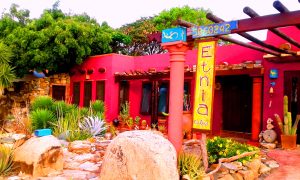
Step beyond the beaches and resorts and discover the heart of Aruba’s heritage at Etnia Nativa. Explore the traditions, knowledge, and stories of the island’s earliest inhabitants—by appointment only.
WhatsApp +297 592 2702 etnianativa03@gmail.com