



Etnia Nativa: Your peek into Native magic, healing the spirit.
Article by Etnia Nativa call us 592 2702 and book your experience!
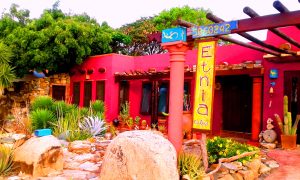
Etnia Nativa celebrates the island’s native ethnicity—linking our ancestral roots to survival knowledge, herbal wisdom, practical know-how, the ability to navigate by reading the stars, and the skill to predict the weather. These are the ways of our elders, passed down from their elders through unfathomable generations. Aruba’s identity is deeply rooted in this ancestral heritage.
In this episode, Etnia Nativa explores the era following the Aruba oil refinery.
In the mid-20th century, Aruba’s economy underwent a profound transformation. The Lago Aruba Refinery, once one of the world’s largest oil refineries, automated its operations, drastically reducing the demand for manual labor. This shift led to mass layoffs and a growing unemployment crisis, leaving the island’s community in uncertainty. For an economy long reliant on the refinery, finding an alternative foundation became a pressing necessity.
To address this crisis, the Aruban administration launched a strategic initiative to develop Caribbean tourism—a move that would redefine the island’s economic landscape. Central to this plan was attracting cruise ships to Aruba’s shores.
On February 1, 1955, this vision took its first major step when the Trade Wind, the island’s first cruise ship, docked in Oranjestad Paardenbaai (Horses’ Bay). The arrival marked the beginning of a new economic era. The event was celebrated widely: local girls in specially designed gowns welcomed the visitors, and the entire population seemed to converge at the harbor to witness this historic moment.
From that day forward, Aruba’s relationship with tourism would never be the same. Luxury liners, previously docking only for freight purposes, began arriving regularly, bringing a new wave of international visitors. By 1956, Aruba had welcomed 3,002 foreign tourists, and by 1960, that number had surged to 13,125—a more than fourfold increase in just four years. This influx fueled a growing demand for accommodations and infrastructure to support the emerging industry.
As tourism expanded, so did the need for hotels. Local entrepreneur Ch. J. Neme, who had opened the Strand Hotel in 1957, capitalized on the opportunity by launching the Hotel Basi Ruti in 1958 on the picturesque Palm Beach. This establishment helped meet the growing needs of visitors and marked an early milestone in Aruba’s hospitality development.
Perhaps the most significant turning point in Aruba’s tourism history came with the construction of the Aruba Caribbean Hotel and Casino. Opened in July 1958 at a cost of 8 million Antillean guilders, the high-rise hotel quickly became an iconic symbol of the island’s shift toward luxury tourism. It attracted wealthy visitors from around the world, cementing Aruba’s status as an emerging international destination.
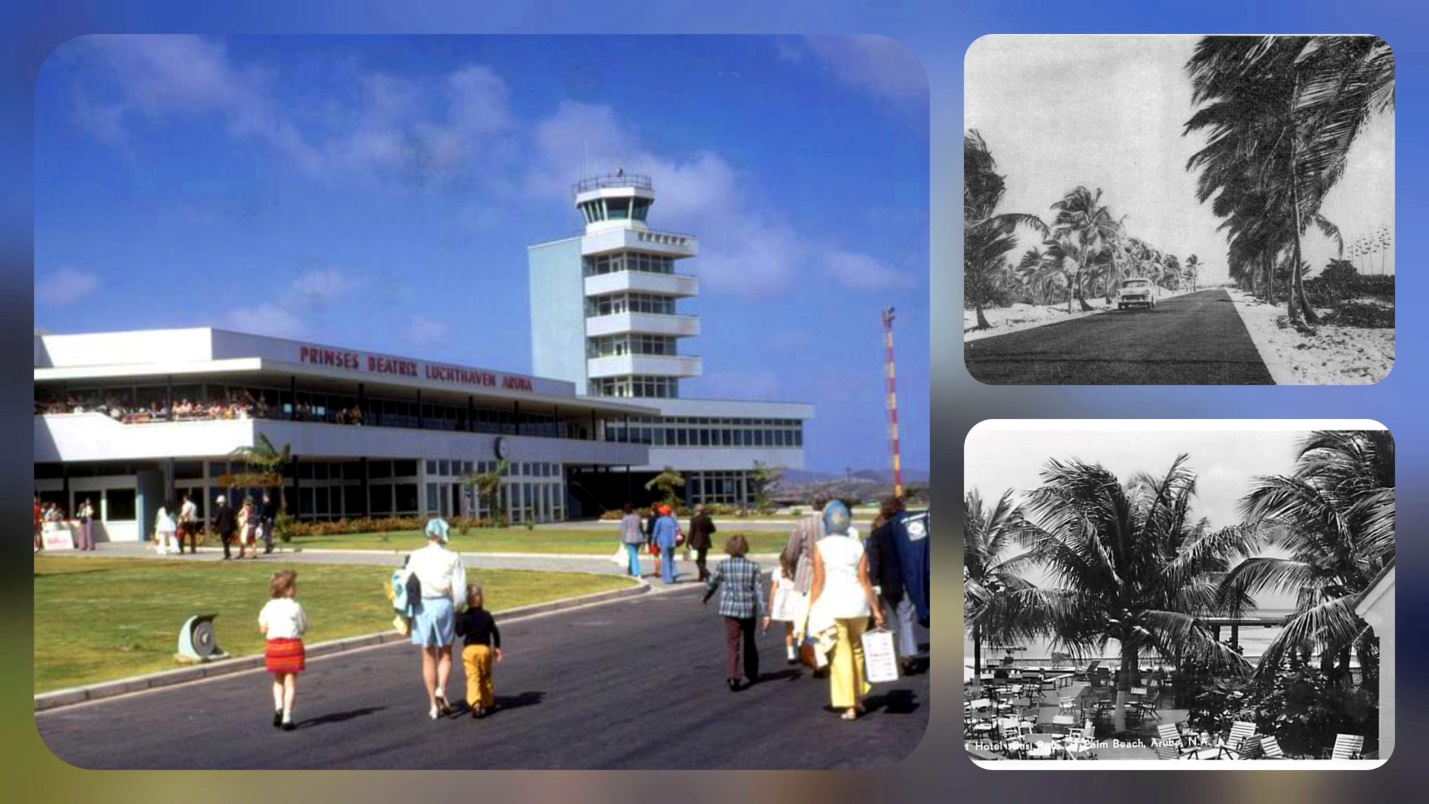
To finance the hotel’s construction, the Aruven Company Inc. was established, with the island as the primary shareholder. Additionally, the Venaruba Company Inc. was set up in Venezuela to raise funds. This ambitious project, along with the construction of a new boulevard connecting Palm Beach to Oranjestad and the island’s airport, played a crucial role in reshaping Aruba’s tourism infrastructure. The once-isolated Palm Beach area became easily accessible, paving the way for future development.
With tourism firmly entrenched as the island’s primary industry, Aruba entered a new era of economic growth and social transformation. The shift away from an oil-dependent economy was not only about generating wealth—it was about reimagining Aruba’s economy and fostering connections with the international community.
While the island’s pristine beaches and luxury resorts remain major attractions, more travelers today seek to understand Aruba’s history and cultural evolution, appreciating both its natural beauty and the resilience that led to its prosperity.
For those eager to uncover Aruba’s past, Etnia Nativa offers guided cultural experiences that explore the island’s roots, natural environment, and evolving traditions. Whether you are visiting for the first time or returning to rediscover its charms, this unique experience Etnia Nativa provides is a meaningful connection to the island’s rich history. Step beyond the beaches and resorts to engage with the heart and soul of Aruba’s heritage visit Etnia Nativa, by appointment only: Whats App +297 592 2702 etnianativa03@gmail.com