
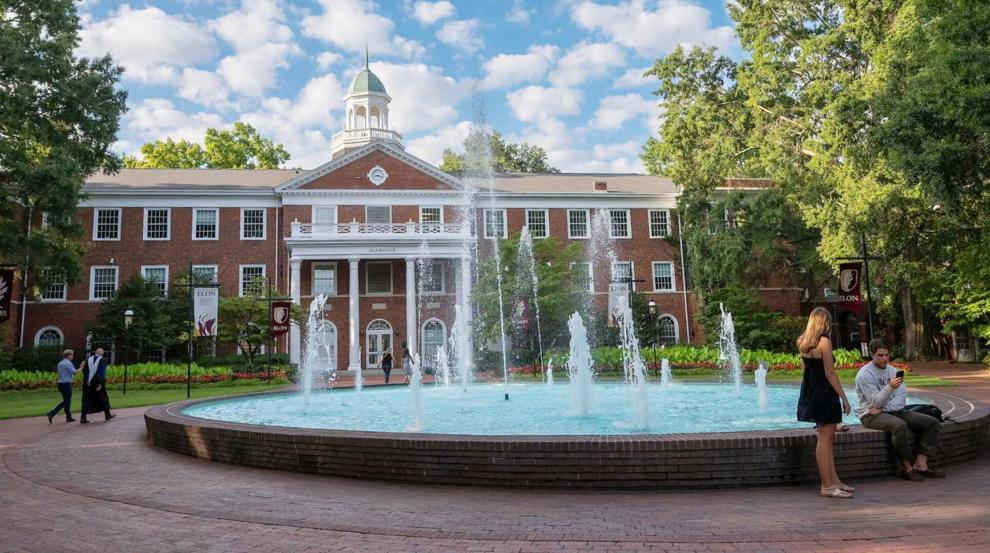



ELON, N.C. — Beneath the budding oaks of Elon University’s historic campus, a silver golf cart decorated with bright streamers and hand-painted signs pulled up to a group of students rushing toward Haggett Hall. This isn’t a standard campus shuttle; it is the “Kindness Cab,” the flagship symbol of the university’s annual “Pay It Forward” (PIF) Week, which officially hit its stride this Tuesday.
The initiative, now a cornerstone of the spring semester, aims to transform the campus into a living laboratory of altruism. While college life is often defined by the stress of midterms and the scramble for internships, PIF Week challenges students, faculty, and staff to pause and prioritize the well-being of others through intentional, selfless actions.
“It changes the vibration of the entire campus,” said Sarah Miller, a senior volunteer coordinating the week’s logistics. “You see someone get a free ride to class or a stranger buy them a coffee, and suddenly the academic pressure doesn’t feel so heavy. It reminds us that we are part of a community that actually cares.”
The Kindness Cab is more than just a novelty. Operated by university staff volunteers, the cart traverses the brick pathways offering free rides to anyone in need. But there is a catch: the “fare” for the ride is a promise to perform a good deed for someone else before the day is over. Passengers are handed “Kindness Cards”—small, colorful slips of paper that they are encouraged to pass along once they’ve completed their own act of service.
The ripple effect was visible across campus by Tuesday afternoon. In the Moseley Center, a “gratitude station” was overflowing with handwritten notes. Students waited in line to write letters of appreciation to dining hall workers, janitorial staff, and professors who had made a difference in their lives. By 2:00 p.m., over 400 notes had been pinned to the central display board, ranging from simple “thank yous” to deeply personal stories of mentorship.
The spirit of the week has also extended into the surrounding community. Local businesses in downtown Elon have joined the movement, with several coffee shops reporting a surge in “suspended coffees”—a practice where a customer pays for an extra drink for a student who might be struggling financially or simply having a hard day.
“We often talk about ‘The Elon Learning Requirement,’ but this is the ‘Humanity Requirement,’” noted Dr. James Arrington, a sociology professor who incorporated a kindness reflection into his morning lecture. “Research shows that performing an act of kindness releases oxytocin in both the giver and the receiver. When an entire campus does it simultaneously, you create a psychological safety net that is incredibly powerful.”
As the sun began to set over Under the Oaks, the central gathering space on campus, the energy remained high. Student organizations hosted a “Unity Social,” where icebreaker games were designed to connect students from different social circles who might otherwise never speak.
Organizers emphasize that while the week features organized events, the true magic lies in the unscripted moments: a student holding a heavy door for a stranger, a peer offering tutoring for free, or a faculty member leaving encouraging sticky notes on library carrels.
As PIF Week continues through Friday, the goal remains clear: to ensure that the spirit of generosity doesn’t end when the banners come down. For the students at Elon, the Kindness Cab may stop running at the end of the week, but the momentum of a thousand small favors is expected to carry them through the final exams and beyond.