

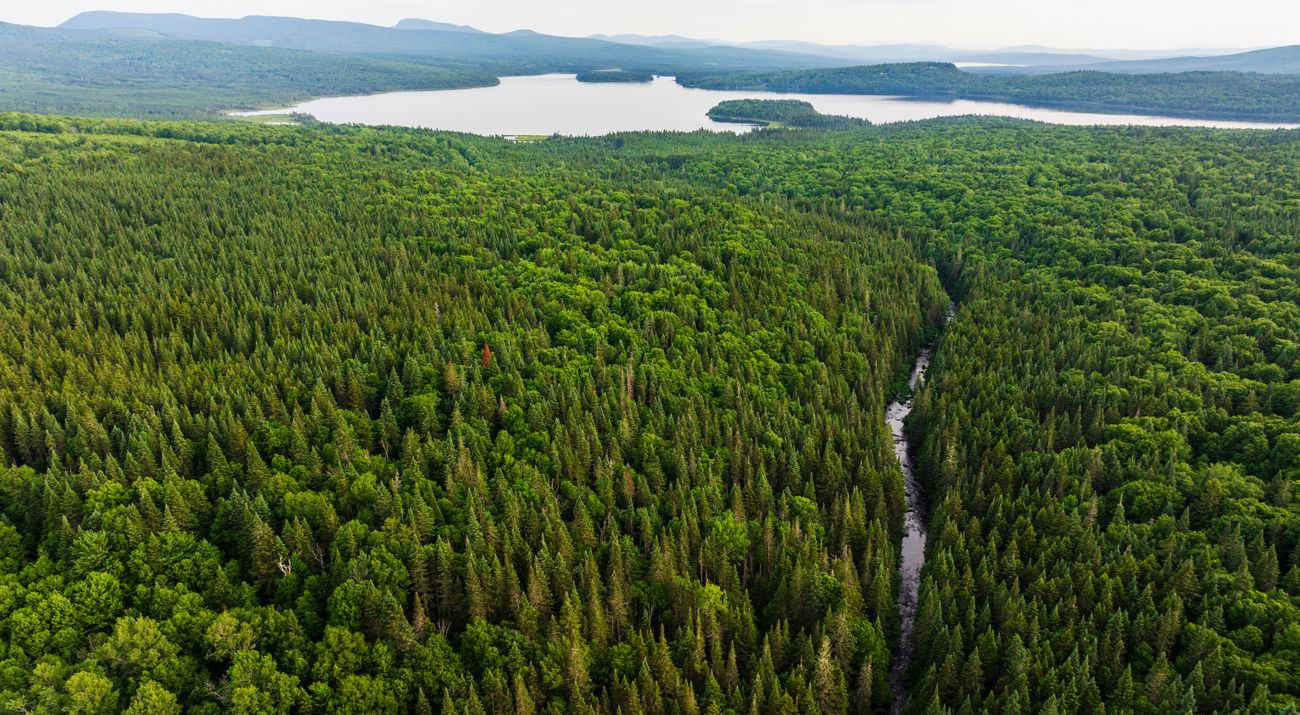




MONTGOMERY, AL — In a move hailed by conservationists as a “generational win” for the Deep South, Alabama state officials have announced a landmark $17.5 million allocation dedicated to wildlife restoration and habitat preservation for the 2026 fiscal year. The funding, part of a broader push to protect the state’s status as one of the most biologically diverse regions in North America, marks the largest single state-level investment in biodiversity in over a decade.
From the tangled river deltas of the Mobile-Tensaw to the rugged Appalachian foothills in the north, Alabama’s landscapes are home to a staggering array of species—many of which are found nowhere else on Earth. However, habitat loss and environmental shifts have placed increasing pressure on local ecosystems. This new surge of funding aims to reverse those trends by focusing on “boots-on-the-ground” restoration projects.
A sanctuary for the “America’s Amazon”
A significant portion of the funds is earmarked for the Mobile-Tensaw River Delta, often referred to as “America’s Amazon.” This vast wetland system is a critical nursery for hundreds of species of fish, birds, and rare reptiles.
“This isn’t just about protecting a pretty view,” said Dr. Elena Vance, a lead researcher at the Alabama Wildlife Federation. “These wetlands act as natural filters for our water and storm buffers for our communities. By investing $17.5 million today, we are saving billions in ecological services for the next generation.”
Planned projects include the reforestation of longleaf pine savannas—an ecosystem that once covered the Southeast but has dwindled to a fraction of its original size—and the restoration of freshwater mussel populations, which serve as vital “canaries in the coal mine” for water quality.
Economic growth through conservation
Beyond the environmental impact, state leaders are highlighting the economic “ripple effect” of the restoration effort. Alabama’s outdoor recreation industry contributes billions to the state economy annually through hunting, fishing, and eco-tourism.
“Our natural heritage is our greatest economic asset,” Governor Kay Ivey’s office noted in a statement. “By ensuring our woods and waters remain healthy and teeming with life, we are supporting local businesses, from bait shops in the Delta to outfitters in the Tennessee Valley.”
The funding will also support the expansion of Wildlife Management Areas (WMAs), providing more public access for hikers, birdwatchers, and sportsmen. This dual focus on conservation and public recreation is designed to foster a deeper connection between Alabamians and their local environment.
A collaborative future
The initiative is a collaborative effort involving the Alabama Department of Conservation and Natural Resources (ADCNR), federal partners, and private landowners. A unique “match” program within the bill allows for every state dollar spent to be leveraged against federal conservation grants, effectively doubling the impact of the $17.5 million investment.
For local conservation groups, the announcement is a validation of years of advocacy. The funds will allow for the hiring of additional field biologists and the implementation of advanced satellite monitoring to track the health of endangered species like the Red-cockaded Woodpecker and the Alabama Beach Mouse.
Why it matters now
The timing of the investment is critical. As the state continues to see rapid industrial and residential growth, the window to protect large, contiguous tracts of wilderness is narrowing. By acting now, Alabama is positioning itself as a national leader in balancing economic progress with environmental stewardship.
“We are proving that you don’t have to choose between a thriving economy and a thriving environment,” said Christopher Blankenship, Commissioner of the ADCNR. “Today, Alabama is leading the way in showing the rest of the country how to protect the natural wonders that make our home so special.”
As the first projects break ground this spring, residents can expect to see a more resilient, vibrant Alabama—one where the call of the wild remains a permanent part of the state’s identity.