
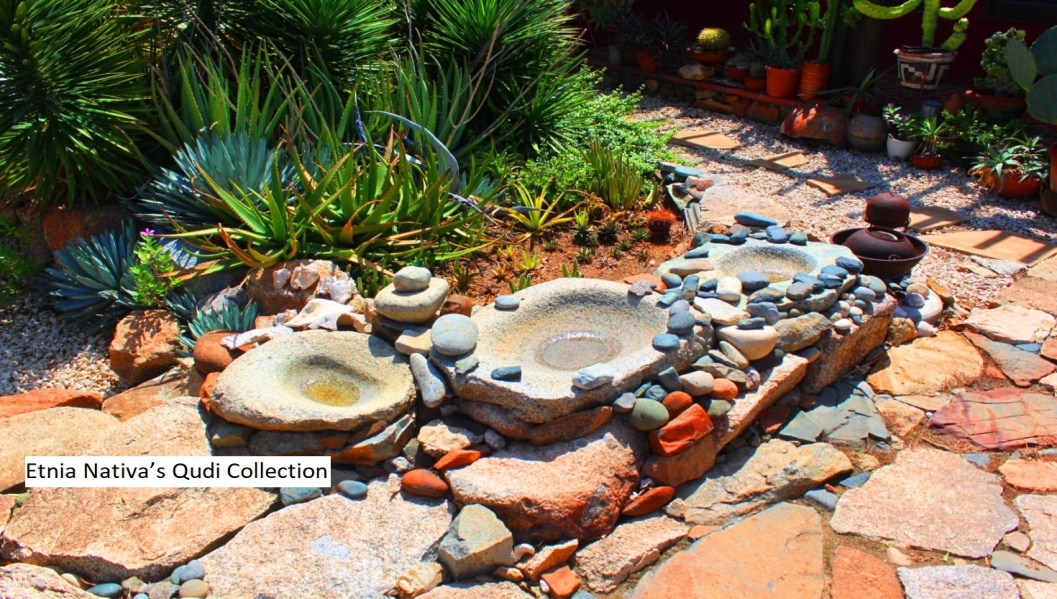




Through this cultural space, Etnia Nativa invites readers to discover Aruba’s intangible cultural heritage-the traditions, knowledge, and stories passed down from generation to generation. In this new episode, we explore the vital role of documentation as a powerful tool for preserving and safeguarding this living heritage for generations to come.
During the 1970s, the large-scale illegal export of qudies, grinding stones, became a silent threat to an irreplaceable part of Aruba’s heritage. As discussed in Episode 318, which focused on the” pie d’mula “as a heritage asset, this trend also affected other elements of our lithic heritage, including petroglyphs and pre-Columbian artifacts. In the process, the island lost an important part of its material memory.
Etnia Nativa: Your peek into Native magic, healing the spirit.
Article by Etnia Nativa call us 592 2702 and book your experience!
Decades later, this is not simply a problem of the past. The illegal market for pre-Columbian stone artifacts continues to place Aruba’s cultural heritage at risk. What may appear to be nothing more than an old stone can represent something far greater: a tangible connection to Aruba’s history, ancestors, and cultural identity.
Protecting our heritage begins with understanding it.
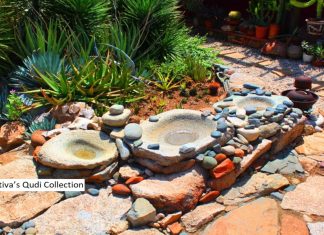
Qudie, or pie d’mula, are tangible traces of our ancestors’ daily lives. They reflect generations who ground grain, prepared food, worked stone, and passed knowledge from one generation to another-long before museums, heritage inventories, and archaeological records existed. They are part of a silent memory that remains in our homes, on our land, and throughout Aruba’s cultural landscape.
The premise is simple: documentation is a form of protection.
To help protect qudies and reduce the risk of their leaving the island, Etnia Nativa is spearheading a heritage inventory and documentation project that goes beyond basic archaeological identification. Led by the Etnia Nativa curator, an independent researcher dedicated to the archaeological and geological study of Aruba, the initiative aims to transform accumulated knowledge about these objects into a practical tool for their protection.
At first glance, an inventory may seem simple. In practice, it can have significant value. A verifiable inventory can document the existence and unique characteristics of each piece while helping establish its provenance and, where possible, its ownership history. It can distinguish family heirlooms and inherited objects from pieces that may have been illicitly excavated, stolen, or traded. It can also provide technical and visual information that may help identify Aruba’s qudies if they are encountered outside the island.
Each documented object could have a record containing relevant information about its owner or custodian, dimensions, photographs, markings, fractures, wear patterns, and other distinctive features. Such documentation can support future investigations, ownership claims, or recovery efforts. It can also help distinguish an authentic Aruba artifact from objects appearing on collectors’ markets, being moved outside the territory, or being falsely presented as originating elsewhere.
In this sense, an inventory is not merely an academic exercise. It is a preventive tool against illicit removal and export.
Many qudies are not found in museums or institutional collections. They remain in private homes, on family land, or in places where they have been preserved for generations. Protecting them does not necessarily mean removing them from their homes. It means identifying them, documenting them, and recognizing their historical and cultural value.
An owner may possess a qudie inherited from a parent, grandparent, or other relative without realizing its archaeological significance. Registering the piece creates a record of its existence, characteristics, and, whenever possible, its family history. That record can help protect both the object and the person who legitimately cares for it.
It also allows us to make an important distinction: a documented family heirloom should not automatically be confused with an object obtained through illegal excavation, looting, or theft.
These stones are more than objects from the distant past. They carry traces of the hands that used them, the families that preserved them, and the knowledge passed down through generations. When a piece leaves Aruba without documentation, part of that story may leave with it.
Documentation cannot bring back everything that has already been lost. However, it can help ensure that what remains is known, recognized, and protected.
Some memories belong in museums. Others live within us.
Don’t just visit Aruba-feel its soul. Discover the island’s authentic heritage and cultural roots with Etnia Nativa before your journey ends. Book your visit today: WhatsApp +297 592 2702 etnianativa03@gmail.com