




Through its cultural column, Island Insight, Etnia Nativa invites readers to explore Aruba’s intangible cultural heritage—its traditions, knowledge, and stories passed through generations. In this second episode on Aruba’s air connections, we continue the journey from the island’s humble beginnings to its place in global air travel.

Etnia Nativa: Your peek into Native magic, healing the spirit.
Article by Etnia Nativa call us 592 2702 and book your experience!
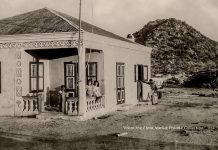
Following the inauguration of the new terminal in 1950, Aruba’s airport entered a new era of growth and transformation. Improvements to the runway and taxiway infrastructure in the early 1950s enhanced the airport’s operational capacity, culminating in the opening of a new illuminated runway in 1954.
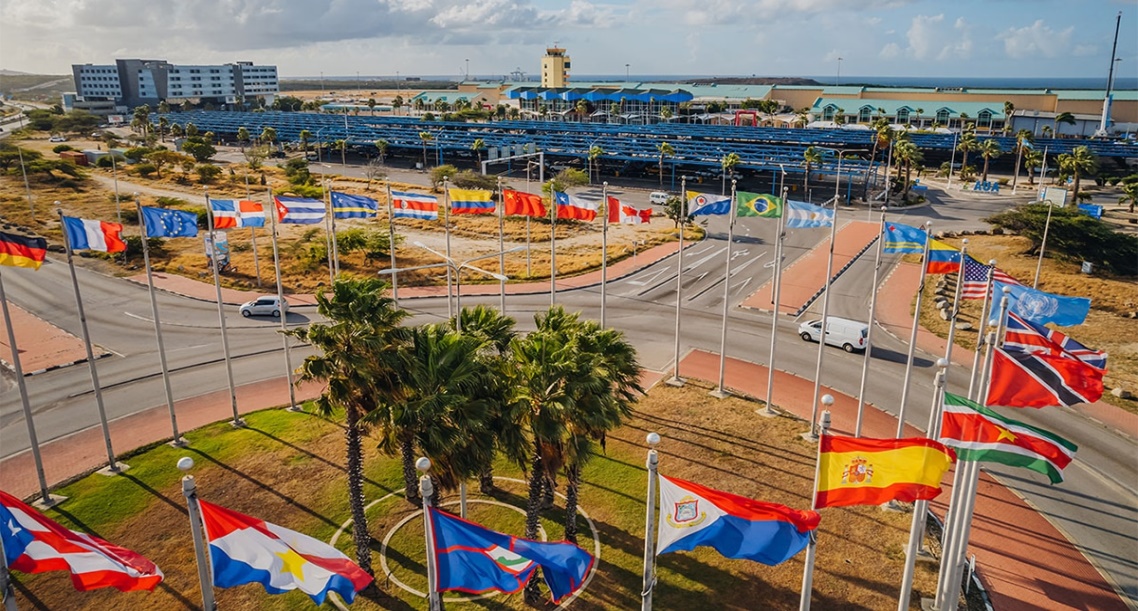
In 1955, Dakota Airport was officially dedicated to Princess Beatrix of the Netherlands during her royal visit to Aruba. When Princess Beatrix became Queen in 1980, the airport adopted the name it proudly carries today: Queen Beatrix International Airport.
This change represented more than the renaming of an airport—it reflected the transformation of Aruba itself and its growing connection with the world.
The 1960s introduced another defining chapter in Aruba’s aviation history. As larger and faster jet aircraft entered commercial service, the island required an airport capable of accommodating this new generation of aviation. Plans were developed to expand the runway and modernize airport facilities to meet the demands of the jet age.
In April 1964, the runway extension was completed, officially opening a new chapter in Aruba’s aviation development. Among the first significant jet aircraft to arrive on the island were Pan American Airways’ Jet Clipper Aruba and a KLM aircraft named Henry Dunant.
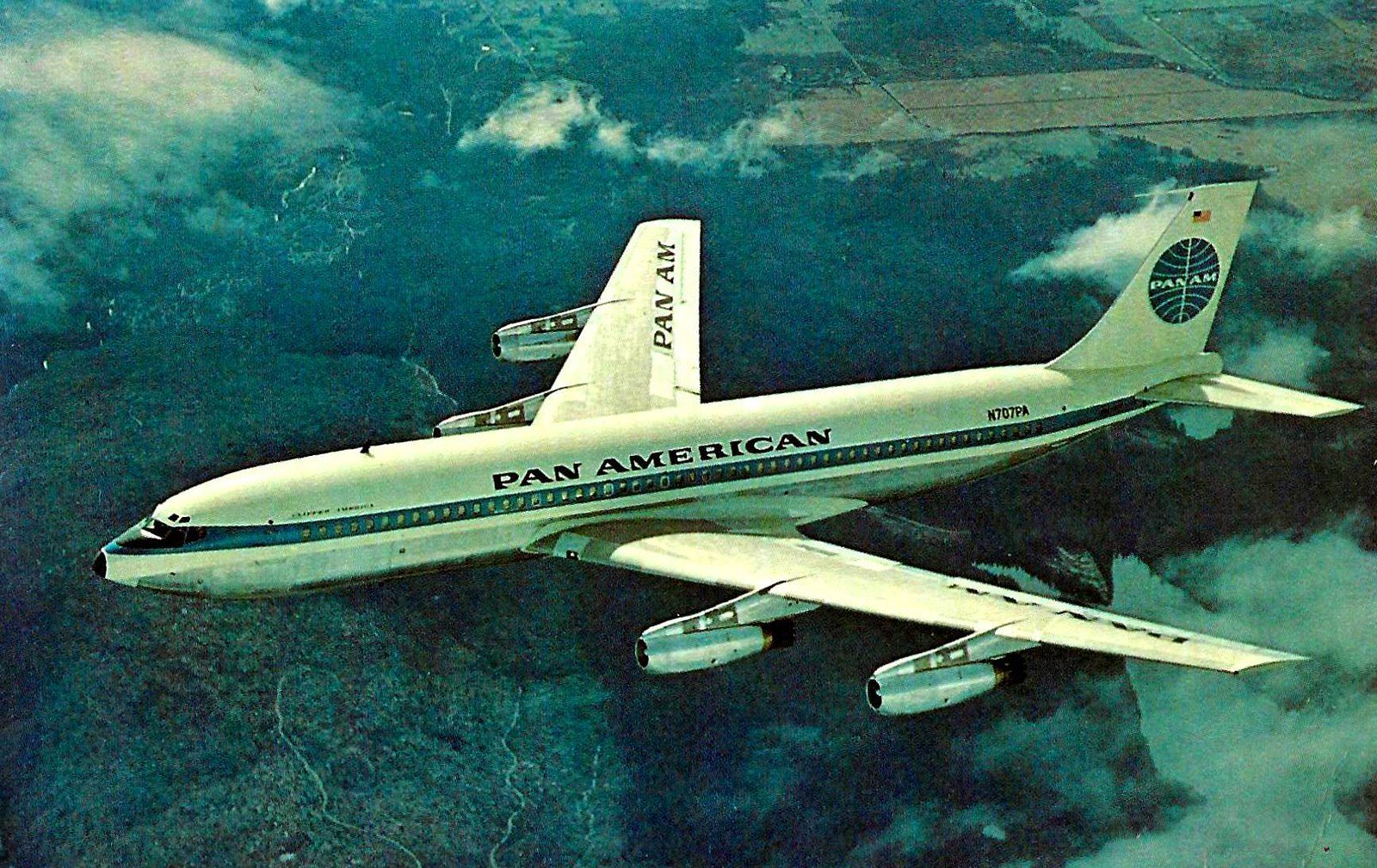
The airport was no longer simply a link between Aruba and neighboring islands—it was becoming an international gateway.
A new terminal was later constructed and inaugurated in 1972, further strengthening the airport’s role as Aruba’s connection to the outside world. This progress continued with the Beatrix 2000 project, a major modernization and expansion initiative that introduced improved facilities for immigration, baggage handling, commercial services, and separate processing areas for U.S. and non-U.S. passengers.
Another historic milestone in Aruba’s aviation story occurred on March 3, 1971, with the inauguration of Pan American Airways’ Miami–Aruba service. This landmark route strengthened Miami’s position as one of Aruba’s most important gateways to the North American market and marked the beginning of a relationship that would continue to grow for decades.
Every new air route brought Aruba closer to the world. Increased accessibility attracted more visitors, and the expansion of tourism created opportunities for new hotels, restaurants, transportation services, retail businesses, tour operators, and employment opportunities.
The airport became far more than a place of arrival and departure. It became a cornerstone of Aruba’s tourism industry and a vital economic gateway connecting the island to international markets.
Looking back at Aruba’s aviation journey, the transformation is extraordinary. What began as a series of new connections in the sky helped shape the island’s economy, identity, and future.
In the 1930s, Aruba’s aviation story began with small aircraft transporting mail and a limited number of passengers between Aruba and Curaçao. Nearly a century later, Queen Beatrix International Airport stands as a modern gateway linking Aruba with destinations throughout the Americas and Europe.
Beyond runways and terminals, the airport represents connection. It played a strategic role during World War II, strengthened Aruba’s relationships with international markets, and helped transform the island into one of the Caribbean’s leading tourism destinations.
From the humble beginnings of Dakota Field to today’s world-class airport, Aruba’s aviation history mirrors the island’s own remarkable evolution. The vision of the pioneers who first looked toward the skies was simple yet powerful: Aruba needed to connect with the world.
That vision continues every day as travelers arrive and depart, carrying forward a legacy built on opportunity, openness, and global connection.
If you truly want to experience the soul of Aruba, step into its ancestral heritage by booking a visit to “Etnia Nativa”, where the stories of our ancestors aren’t simply told—they come alive through every piece of art, every tradition, and every story.
Etnia Nativa Aruba is a place where you don’t just learn about the island—you truly live it. Discover the Aruba that lives beyond the beaches.
Book today: WhatsApp +297 592 2702 etnianativa03@gmail.com