



(Oranjestad)—The 2026 Atlantic hurricane season officially began on June 1, marking the start of a six-month period during which islands throughout the Caribbean remain on alert for tropical storms and hurricanes.
The season runs through November 30 and affects the entire Caribbean region, including the ABC islands as well as the BES islands and Sint Maarten.
While the official season lasts for these six months, meteorology experts emphasize that the most active period typically occurs between August and October, when sea temperatures are at their warmest and conditions are more favorable for storm development.
Although islands in the southern Caribbean generally face a lower risk of direct hurricane impacts, this does not mean that we should not pay attention to the situation.
Even though the chances of a hurricane or tropical storm making landfall in Aruba are relatively low, the island can still experience indirect effects. Authorities consistently stress that preparedness remains one of the most effective ways to reduce the impact of severe weather events.
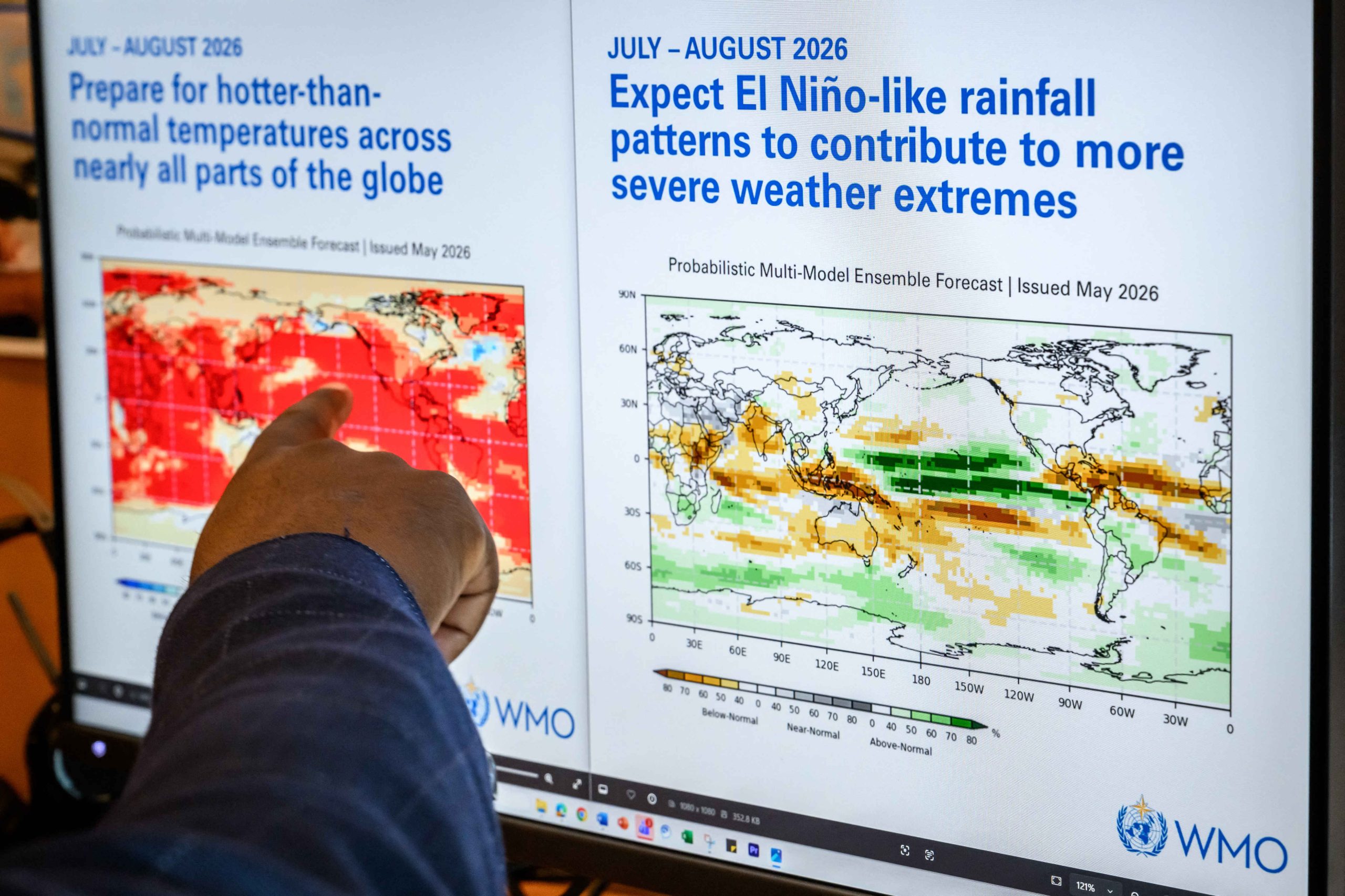
In addition, experts are already warning that a potentially powerful El Niño weather phenomenon could develop later this year and even continue into 2027, bringing significant impacts to the Caribbean region as well.
According to the World Meteorological Organization (WMO) and regional climate institutes, the probability of El Niño developing is approximately 90%. Current climate models suggest that temperatures in parts of the Pacific Ocean could rise by as much as 3 degrees Celsius above normal, indicating that the event could become particularly strong.
El Niño occurs when waters in the central Pacific Ocean become unusually warm. The phenomenon affects global weather patterns and is often associated with extreme weather events in different parts of the world.
For Caribbean islands, the greatest concern is the prospect of higher temperatures, prolonged dry conditions, and increased pressure on water resources.
High temperatures can be especially dangerous for older adults and those suffering from underlying conditions. It is for that reason that it’s highly advised to avoid going in the sun for prolonged periods of time, wear sunscreen throughout the day and be sure to keep yourself hydrated.
Emergency situations are very rare on Aruba, but it’s always smart to be prepared for anything. As part of that preparation, if you ever find yourself in a situation where evacuation becomes necessary, it is helpful to have an evacuation route planned in advance, as this could be crucial to reaching safety. This planning should also include pets as part of the household emergency plan.
Experts advise to maintain an emergency supply kit, review all family emergency plans, secure important documents, and stay informed through government communications and official weather forecasts.
Emergency preparedness measures can be especially important when tropical systems develop rapidly or change course unexpectedly, something that is always possible when dealing with nature.
Part of the responsibility for preparedness lies with authorities, who must take the necessary measures at the national level. At the same time, preparedness is also in our hands, along with the safety of both our loved ones and ourselves.