




In the heart of the American South, a quiet but monumental transformation is taking root. Alabama, a state renowned for its sprawling river systems and emerald forests, has officially committed $17.5 million toward a landmark wildlife restoration project. This initiative is not merely about planting trees; it is a profound effort to heal a landscape and ensure that the state’s natural legacy remains vibrant for generations to come.
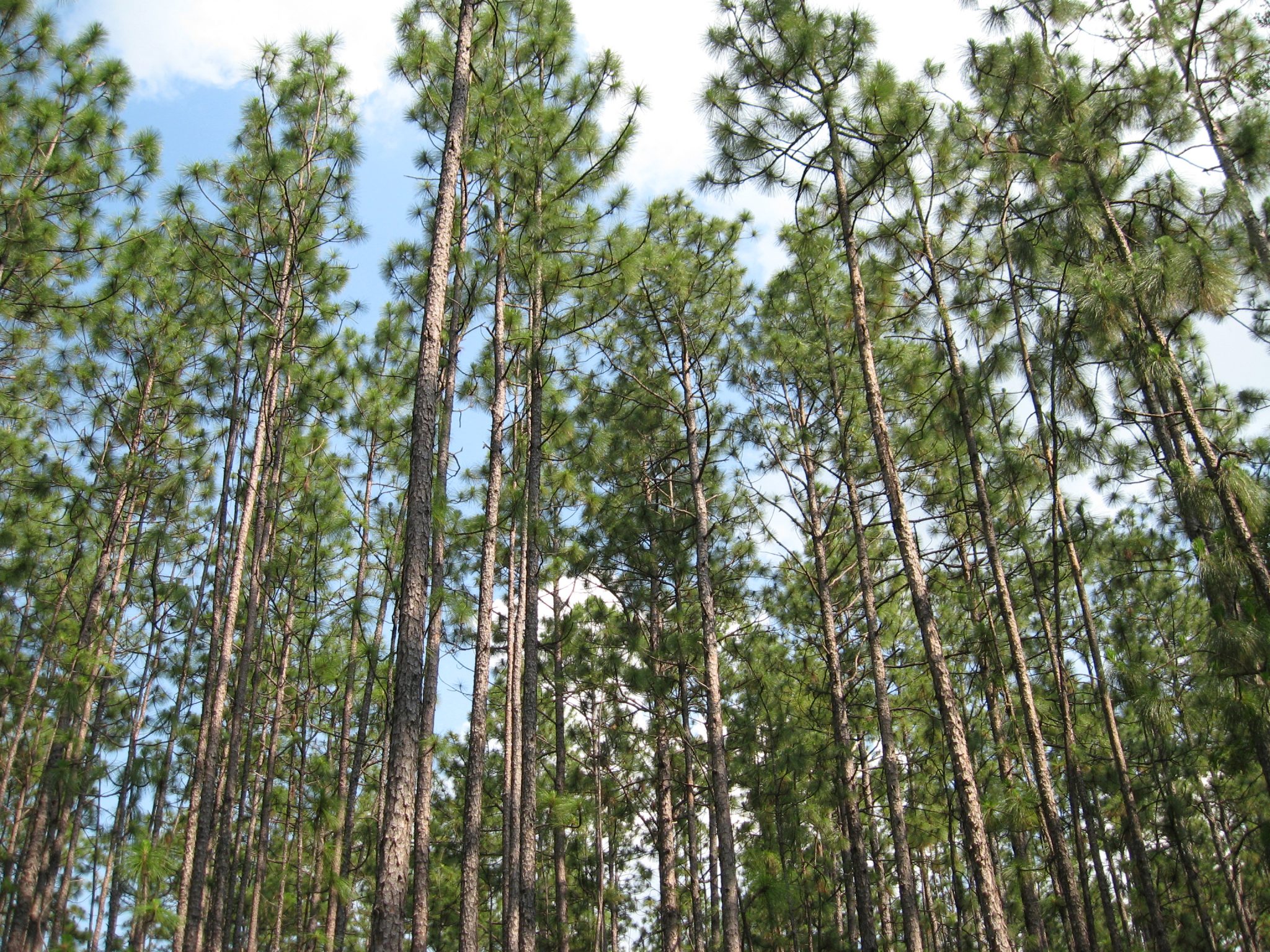
The centerpiece of this ambitious plan is the restoration of the iconic longleaf pine ecosystem. Centuries ago, these majestic, towering pines blanketed nearly 90 million acres across the Southeast. Today, due to over-harvesting and urban expansion, less than five percent of that original forest remains. Alabama’s new funding aims to reverse this trend by reclaiming thousands of acres of lost habitat, turning the tide for one of the most biodiverse environments in North America.
“This is a generational investment,” says state conservation official Sarah Jenkins. “We aren’t just looking at the next four years; we are looking at the next hundred. We are rebuilding an entire world from the soil up.”
The project’s impact reaches far beyond the timber. The longleaf pine forest is a sanctuary for some of the region’s most vulnerable residents. Among them is the gopher tortoise, often called the “landlord of the forest.” These tortoises dig deep, elaborate burrows that provide vital shelter for more than 350 other species, including the rare Eastern indigo snake and various small mammals. By protecting the tortoise, the state is effectively providing a home for an entire community of wildlife.
Furthermore, the initiative is a lifeline for the red-cockaded woodpecker. Unlike other birds, these specialized woodpeckers only peck their nesting cavities into living pine trees, a process that can take years. The restoration of old-growth stands ensures that these rare birds have the specific environment they need to thrive and sing once more in the Alabama wilderness.
The $17.5 million will also support the revitalization of Alabama’s wetlands and river basins. These areas act as the state’s natural kidneys, filtering water and providing a buffer against flooding. By restoring the natural flow of these waterways, the project guarantees cleaner water for local communities and more resilient shorelines in the face of changing weather patterns.
For the people of Alabama, the benefits are both environmental and emotional. The expansion of protected lands means more opportunities for families to connect with nature through hiking, birdwatching, and sustainable outdoor recreation. It is a reminder that even in a fast-paced modern world, there is immense value in preserving the slow, steady growth of a forest.
As the first seedlings are tucked into the red clay soil this season, they represent more than just wood and needles. They are symbols of hope and stewardship. Alabama is sending a clear message to the rest of the country: progress does not have to come at the expense of the earth. In fact, true progress is found in the wisdom of bringing the wild back to life.