





By Lifestyle & Science Correspondent
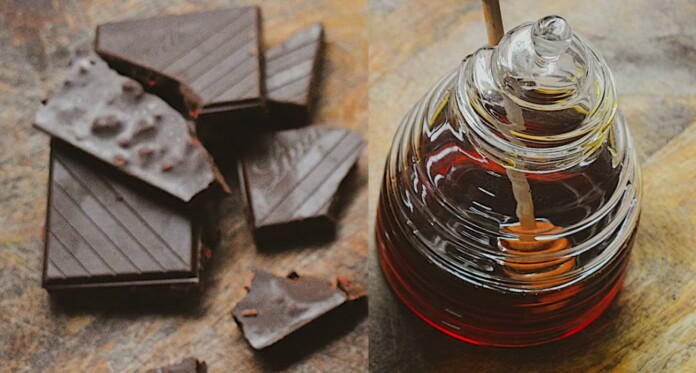
CAMPINAS, Brazil — In a breakthrough that sounds like a confectioner’s dream, researchers have successfully transformed bitter cocoa waste into a “super honey” that tastes like chocolate and packs a powerful nutritional punch.
The innovation, developed at the State University of Campinas (UNICAMP) in Brazil, uses advanced technology to infuse native bee honey with the bioactive compounds found in discarded cocoa bean shells. The result is a sustainable, heart-healthy sweetener that researchers believe could revolutionize both the gourmet food and cosmetic industries.
A Green Chemistry Breakthrough
Every year, the chocolate industry generates over 635,000 metric tons of cocoa shells—a papery byproduct typically thrown away.
To rescue these nutrients, the UNICAMP team employed a “green chemistry” method called ultrasound-assisted extraction. By placing an ultrasonic probe into a mixture of honey and finely milled cocoa shells, high-frequency sound waves create microscopic bubbles that burst, physically breaking down the shell’s cell walls. This allows the honey to act as a natural, edible solvent, absorbing beneficial compounds without the need for synthetic chemicals.
Why It’s a “Superfood”
This new blend isn’t just about flavor; it significantly boosts the natural health benefits of both ingredients. According to the study published in ACS Sustainable Chemistry & Engineering, the “chocolate honey” is enriched with:
Heart-Healthy Stimulants: The honey absorbs theobromine and caffeine from the shells, which are linked to improved blood flow and cardiovascular health.
Antioxidant Powerhouse: The process significantly increases the levels of phenolic compounds and flavonoids, which help reduce oxidative stress and inflammation.
Energy Without the Crash: Combining honey’s natural sugars with cocoa’s stimulants provides a sustained energy boost, making it an ideal “guilt-free” pick-me-up.
Leveraging Local Biodiversity
A key to the project’s success was the use of honey from native Brazilian stingless bees. Unlike common European honeybees, these native species produce honey that is more fluid and has a higher water content, making it a more effective “magnet” for drawing out the cocoa’s nutrients.
“The biggest appeal is the flavor,” said lead researcher Felipe Sanchez Bragagnolo in an interview with Agência FAPESP. “But our analyses show it has a number of bioactive compounds that make it quite interesting from a nutritional and cosmetic point of view”.
From Lab to Table
While the product is currently in the experimental and patenting phase, the team is actively seeking commercial partners to bring this sustainable treat to store shelves. Beyond being a delicious spread or sugar substitute, the antioxidant-rich honey is also being eyed as a natural ingredient for high-end skincare products.
For now, the “sweetest goodbye” to food waste has officially arrived, proving that with a little science, yesterday’s trash can become tomorrow’s superfood.