

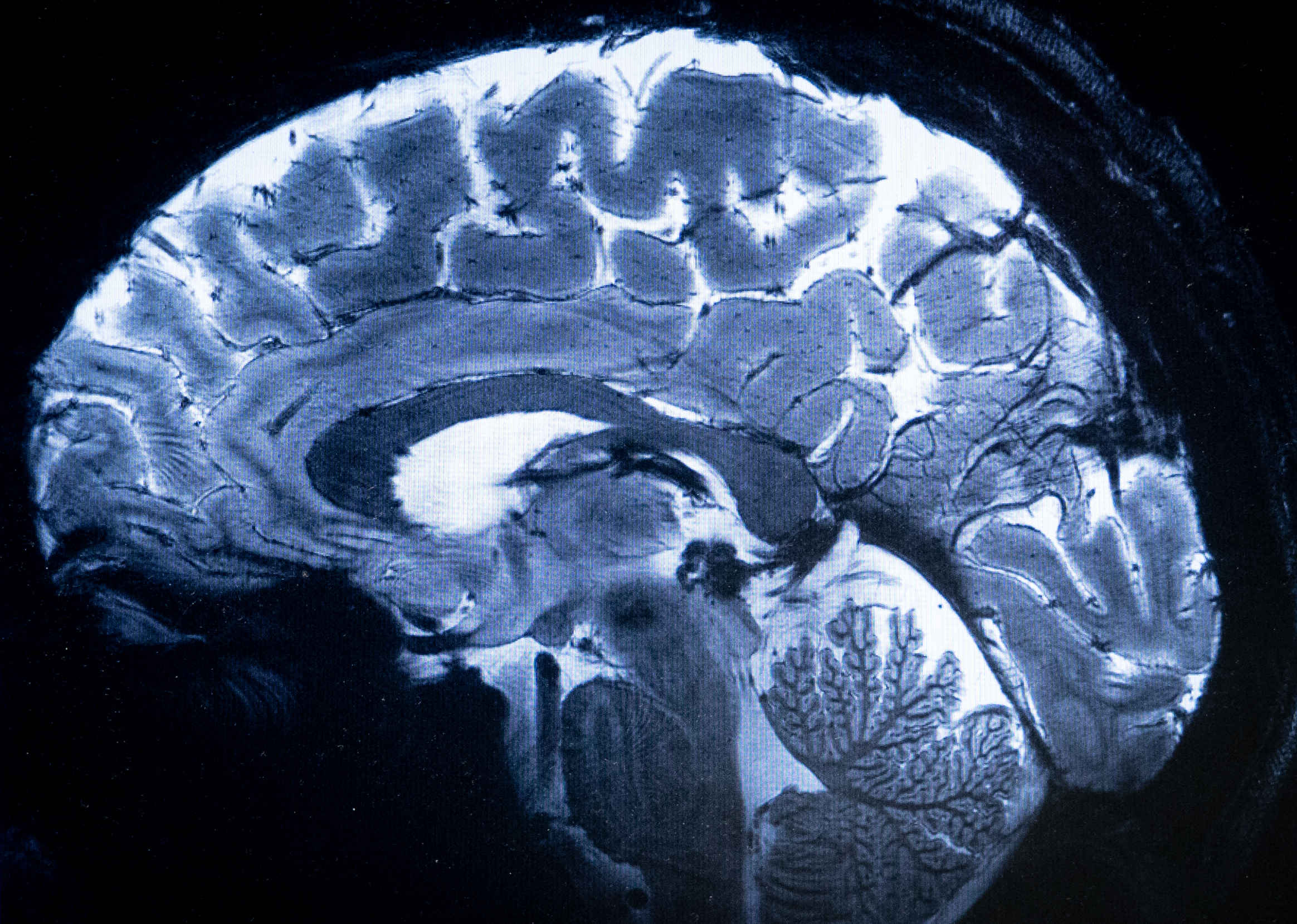




NEW HAVEN, CT — In a major leap forward for psychiatric medicine, researchers at Yale University have unveiled new brain-imaging data that finally decodes how fast-acting treatments “reset” the neural circuits of patients suffering from severe, treatment-resistant depression. The study, released on March 8, 2026, offers a definitive roadmap for a new generation of antidepressants designed to provide relief in hours rather than weeks.
Cracking the “Neural Code”
For decades, the “gold standard” for treating depression relied on medications that take over a month to show efficacy, a timeframe that is often dangerously long for those in the depths of a mental health crisis. However, the new findings from the Yale School of Medicine highlight a fundamental shift in how we understand the brain’s recovery process.
By utilizing advanced functional MRI (fMRI) and PET scans, the Yale team tracked changes in critical brain receptors that facilitate communication between neurons. They discovered that fast-acting compounds, such as ketamine and its derivatives, trigger an immediate release of Brain-Derived Neurotrophic Factor (BDNF)—a protein often described as “Miracle-Gro for the brain”. This protein rapidly repairs damaged synaptic connections in the prefrontal cortex and hippocampus, regions vital for mood regulation.
A success rate that defies tradition
While traditional SSRIs typically only help about one-third of patients achieve full remission on the first try, the results from these fast-acting protocols are significantly more robust.
Rapid Response: Nearly 65% of patients who have failed multiple other treatments show significant improvement within 24 hours.
Structural repair: The imaging showed that even after a single dose, dendritic spines—the “branches” of brain cells—began to regrow, effectively re-wiring the emotional circuits that had been “pruned” by chronic stress and depression.
“This discovery finally shows how the sensation of ‘recovery’ works at the molecular level,” noted the researchers in a summary published by ScienceDaily.
Beyond the pill: The Rise of Intensive Protocols
The breakthrough coincides with other “compressed” treatment models gaining traction this March. A separate study from UCLA Health found that an intensive five-day protocol of Transcranial Magnetic Stimulation (TMS)—a non-invasive brain stimulation—offered symptom relief comparable to the standard six-week treatment.
“We are moving toward a world where a week of intensive therapy could replace years of trial-and-error with different pills,” said Dr. Thomas Adams, a Yale neurotherapy expert visiting the University of Arkansas this month to discuss these somatic interventions.
The human impact
For patients like 42-year-old Sarah M., who participated in the imaging trials, the science is more than just data. “I lived in a fog for fifteen years. I tried every medication on the market,” she shared. “Within six hours of the new treatment, I felt like someone had literally turned the lights on in my head. I could see the colors of the trees again. I felt like myself for the first time in a decade.”
As insurance companies begin to catch up with the clinical data—evidenced by the High Seas Treaty and other global policy shifts toward health equity—these breakthroughs are expected to become the new standard of care by the end of 2026.
A new era for mental health
The Yale study is being hailed as the “biggest breakthrough in 50 years” for depression research. By moving away from simply managing symptoms and toward physically repairing the brain’s architecture, scientists believe they are on the cusp of making “treatment-resistant” a term of the past.
As the Yale Translational Brain Imaging Program continues to recruit for follow-up studies, the message to millions of sufferers is clear: recovery is not just a hope—it is a biological reality that is now within reach.