
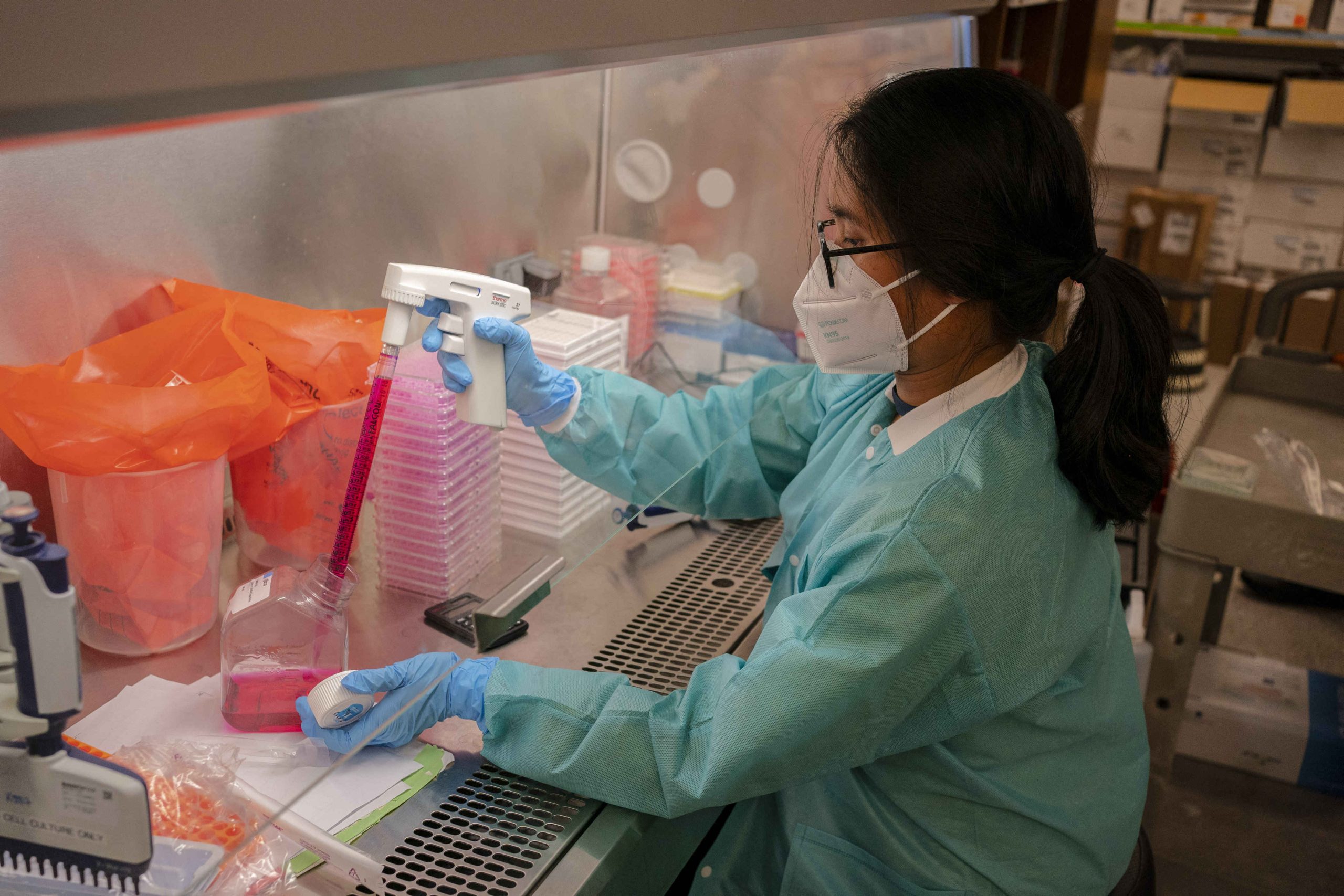




STANFORD, CA — In a major leap toward a permanent solution for autoimmune diseases, Stanford Medicine researchers have successfully reversed Type 1 diabetes (T1D) in mice by “re-educating” their immune systems. The study, published in the Journal of Clinical Investigation, achieved a 100% success rate in both preventing and curing the disease without the need for lifelong insulin or toxic immune suppression.
The “Hybrid” Immune Strategy
Led by lead author Preksha Bhagchandani and senior author Seung Kim, MD, PhD, the team addressed the two primary hurdles of T1D treatment: the original autoimmune attack and the rejection of transplanted cells.
Their solution creates mixed chimerism—a hybrid immune system containing cells from both the donor and the recipient. This “reset” allows the body to accept donor cells as its own while simultaneously halting the autoimmune destruction of insulin-producing islet cells.
The Breakthrough Protocol
The researchers utilized a “gentle” conditioning regimen that avoids the harsh chemotherapy typically required for stem-cell transplants:
Targeted Preparation: Mice received low-dose radiation and specific antibodies (such as $\alpha$CD117) to clear space in the bone marrow.
Dual Transplant: A combined transplant of blood-forming stem cells and pancreatic islet cells from the same donor was administered.
The Tweak: The addition of baricitinib, a drug already used to treat rheumatoid arthritis, was the key to achieving 100% efficacy.
Results and Safety
The study reported unprecedented outcomes:
19 out of 19 mice at high genetic risk for T1D never developed the disease.
9 out of 9 mice with established, long-standing T1D were fully cured, maintaining normal blood sugar levels for the duration of the study.
Zero cases of graft-versus-host disease (GVHD) were observed, and the mice remained immunocompetent and resistant to infections.
The Path to Human Application
Because the antibodies and drugs used—including human-ready versions like briquilimab—are already in clinical practice or trials, researchers believe human translation is a “logical next step”.
The primary remaining challenge is the supply of donor cells. To solve this, the Stanford team is investigating the use of lab-grown stem-cell-derived islets to eliminate the dependence on deceased organ donors.